
Apple has officially unveiled Siri AI, its long-awaited upgrade to Siri, at the Worldwide Developers Conference (WWDC).
The new assistant is part of what Apple calls the next generation of Apple Intelligence. It will be available across iOS 27, iPadOS 27, macOS 27, watchOS 27, and visionOS 27 on supported devices.
Siri AI is more conversational than the current version of Siri and will also have its own app. The app will remember past chats, allowing users to return to earlier conversations.
Google-Backed Models
Siri AI is based on new Apple Foundation Models built in collaboration with Google.
The assistant can process some requests on the device. For more complex tasks, it can use Apple’s Private Cloud Compute system.
Apple says Private Cloud Compute does not store user data and does not make it accessible to Apple or anyone else.
Where Siri AI Works
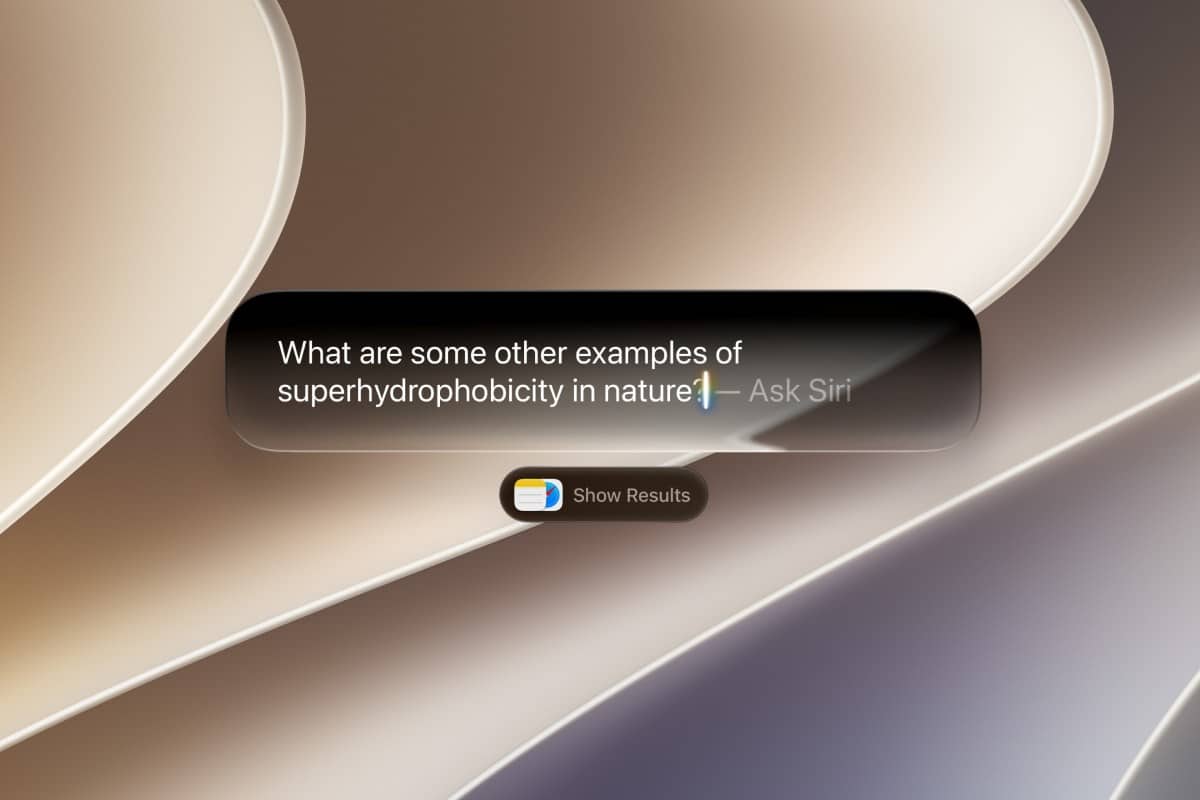
On iPhone, Siri AI will be available through the Dynamic Island.
On iPadOS 27 and macOS 27, Apple is also adding Siri AI to Spotlight. Siri AI will also be available on Apple Watch and Vision Pro.
Across devices, Siri AI conversations will sync through iCloud, allowing users to continue a conversation on another Apple product.
Voice and Dictation
The on-device Siri AI model will only be available on specific supported devices.
Apple says the model brings more expressive voices and better systemwide dictation accuracy.
Users will be able to customize Siri’s voice expressiveness and speaking pace. Dictation will also handle punctuation, capitalization, and formatting while the user speaks.
Personal Context
Siri AI can use personal context from messages, emails, photos, and other data to answer questions and complete tasks.
This will work with Apple’s own apps. Apple also says personal context understanding can extend to third-party apps when developers add Spotlight support.
Siri AI can answer questions about what is on the user’s screen. It can also search the web for current information when needed.
Camera and Visual Intelligence
On iOS, Apple is adding a Siri mode inside the Camera app.
Users will be able to ask Siri AI questions about what they are seeing through the camera. Apple says this can include tasks such as splitting a bill with friends using Apple Cash or getting nutritional information about a plate of food.
Visual Intelligence with Siri is also coming to iPadOS and macOS for the first time.
On iPadOS, the feature is built into the screenshot experience. On macOS, users can access it with a keyboard shortcut, select something on the screen, and type directly to Siri for an answer.
Writing Tools
Siri AI includes integrated Writing Tools that work anywhere users type. Users can describe what they need, and Siri AI can generate a draft. It can also refine or edit existing text based on user prompts.
In Mail and Messages, Siri AI can match how a user usually communicates with each recipient, including tone and punctuation. Siri AI will also proofread text automatically across the system, including in most third-party apps.
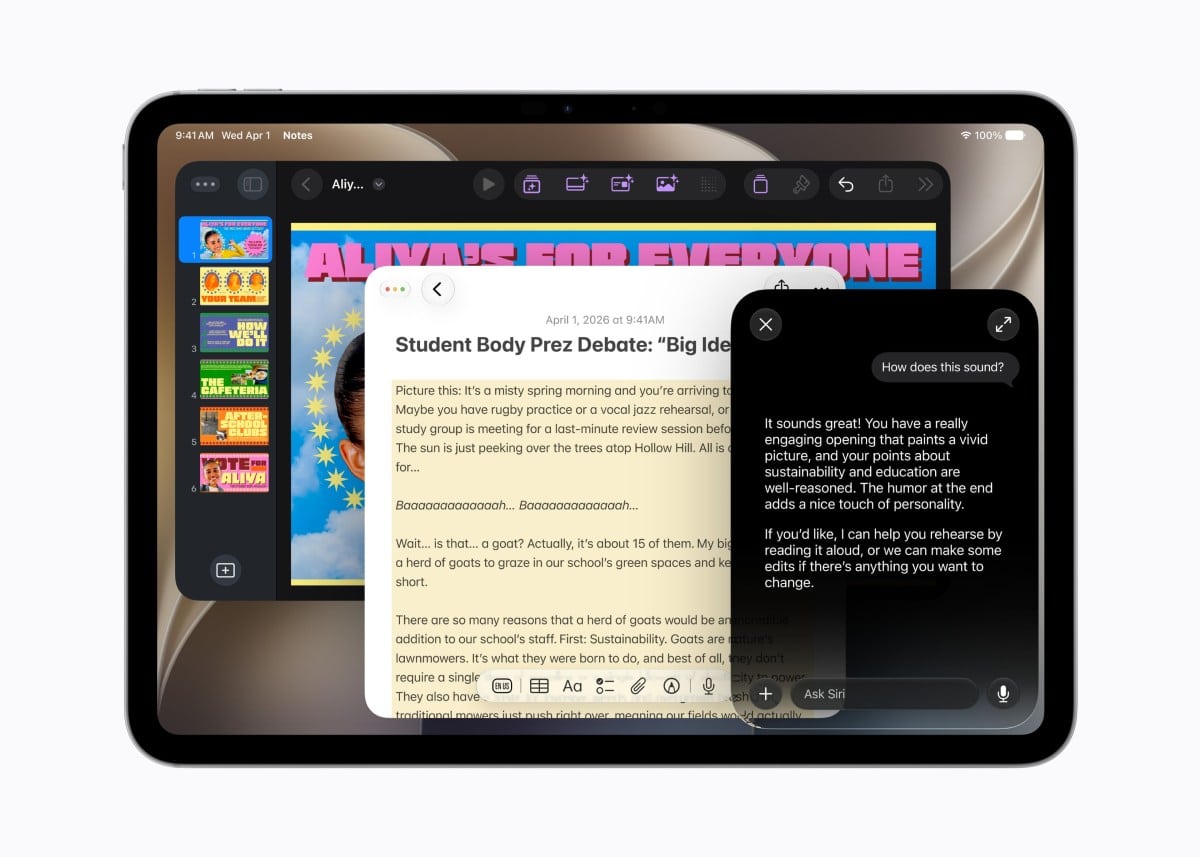
Image Tools
Siri AI can edit and generate images. Apple says image generation will have daily usage limits. Users with iCloud+ plans will get increased access.
Availability
Apple says Siri AI will be available later this year as a beta. At launch, it will work on supported devices set to English. Apple says support for more languages will follow.
EU Delay
Siri AI will not initially be available on iOS and iPadOS in the EU.
Apple says the delay is linked to the Digital Markets Act. The company says EU regulators did not accept its proposed solutions for bringing Siri AI to the region while also supporting other virtual assistants.
Apple software engineering chief Craig Federighi said Apple still hopes to bring Siri AI to the EU, but the company does not currently have a timeline for availability on iOS and iPadOS there.
Apple says the issue centers on how the DMA would require access for other virtual assistants. According to Apple, the EU’s interpretation would require the company to give other assistants access to private user data and control over installed apps without the protections it considers necessary.
Reuters reported that the European Commission rejected Apple’s position, saying the decision not to roll out Siri AI in the EU was Apple’s own. The Commission said Apple was unable to develop interoperability solutions that met EU privacy and security standards.












