The Sindh government has imposed a sales tax on herbal, Unani, and homeopathic medicines, as well as medical devices, significantly increasing the cost of essential healthcare products.
This decision has sparked strong reactions from Karachi residents, who are already struggling with high inflation and economic hardship.
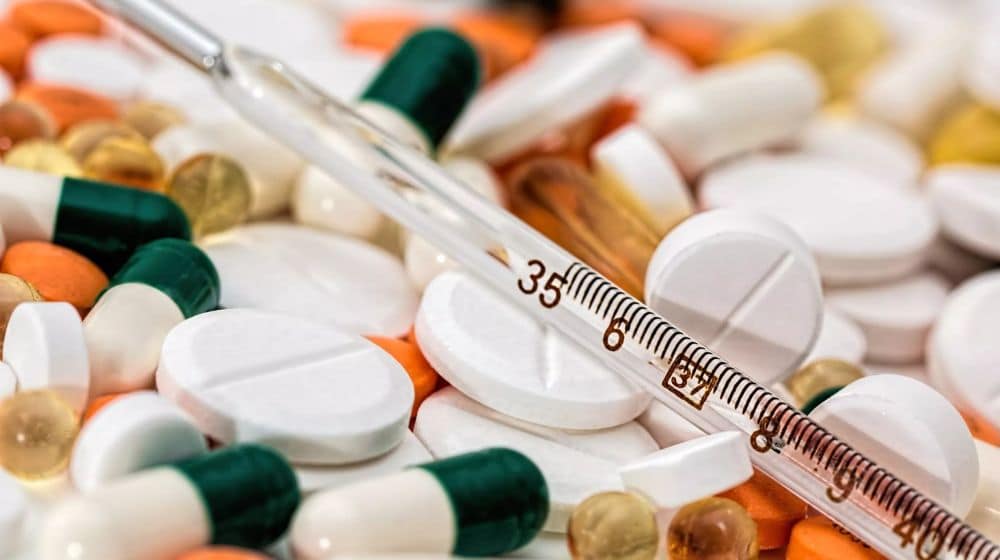
The new tax affects around 200 medical supplies and devices, including thermometers, sugar strips, blood pressure monitors, surgical gloves, and wheelchairs.
Abdul Samad Badhani, vice chairman of the Pakistan Chemist and Drug Association, has warned that the cost of herbal medicines will rise sharply, further straining household budgets.
“Inflation has already made it difficult to live. Now medicines will also be out of reach,” lamented a Karachi resident. Shopkeepers share these concerns, anticipating a sharp decline in sales as customers struggle to afford these essential items.
As a result of this tax, not only flu and cough syrups but also Joshanda will become more expensive.

The immediate and stark impact of this tax is evident: the price of a packet of ordinary sugar checking strips has surged from Rs700 to Rs1,000 in the wholesale market. Wheelchairs, previously priced at Rs13,000, now cost Rs17,500. The cost of other medical devices used at home, including blood pressure monitors, has also doubled, putting them beyond the reach of many citizens.
Healthcare professionals are deeply concerned about the repercussions. “The common man will be directly affected by the sales tax,” said a local doctor. With 95% of medical devices being imported, as per the chairman of the Healthcare Devices Association of Pakistan, the added costs will inevitably be passed on to consumers, making treatment more expensive and less accessible.
Masood Ahmed, chairman of the Healthcare Devices Association of Pakistan, emphasized the dependency on imported medical devices, which exacerbates the issue. “The cost of the devices will make treatment more expensive,” he stated, highlighting the challenges that lie ahead for both healthcare providers and patients.
Stay Connected with ProPakistani
Get the latest news and stories wherever you prefer.
Add ProPakistani to Preferred Sources and see more of our stories in Google Search and Top Stories.