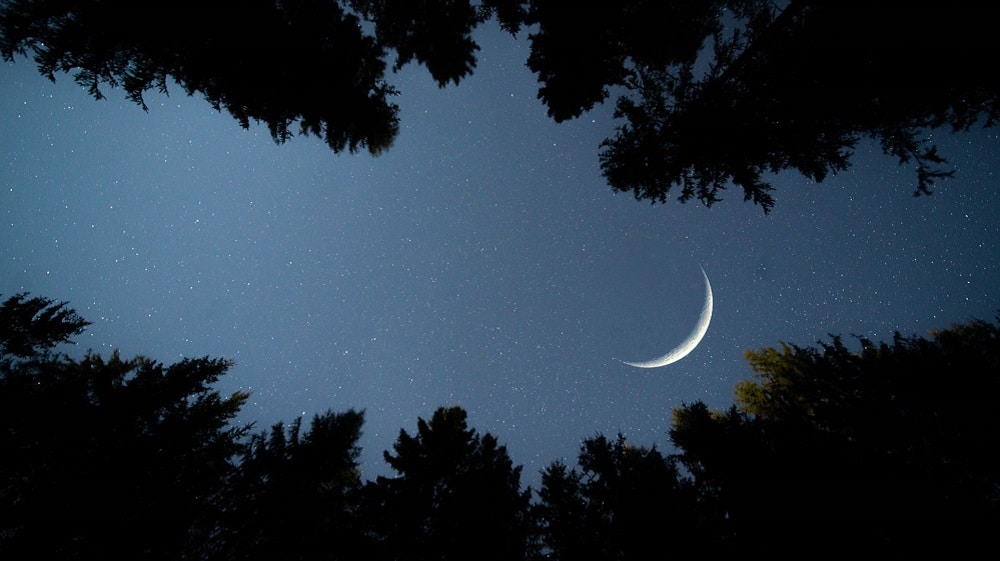
The Central Ruet-e-Hilal Committee is scheduled to gather in Peshawar on the evening of February 28 (Friday) to determine the sighting of the Ramadan crescent. If the moon is spotted, the holy month of fasting will officially commence on March 1 (Saturday).
Maulana Abdul Khabeer Azad, who chairs the committee, will oversee the proceedings, which are set to begin following the Asr prayer. Simultaneously, zonal committees across different regions will also meet to assess and verify moon sighting reports.
Religious scholars from various sects will participate in the central meeting to confirm the start of the ninth month of the Islamic calendar.
Ramadan is observed with deep spiritual devotion by millions in Pakistan and billions across the world, as Muslims fast from sunrise to sunset. Depending on geographical location, fasting hours range between 12 to 17 hours globally.
Earlier this week, the Pakistan Meteorological Department (PMD) suggested that the first day of fasting in the country is likely to be on March 2. Their forecast indicated that the new moon is expected to form on February 28 at 5:45 PM, meaning the crescent may be visible on March 1.
Meanwhile, an astronomy center in Abu Dhabi, UAE, predicted that Ramadan would likely begin on March 1, as reported by The National. The International Astronomical Centre (IAC) noted that most Muslim nations would attempt to observe the new moon on February 28, with some Arab countries possibly spotting it the same night.
Like in many parts of the world, Ramadan in Pakistan is marked by increased charitable activities, including food distribution and roadside stalls offering meals for those returning home in the evening.
Additionally, the holy month drives heightened commercial activity, as people engage in shopping for Eid ul Fitr, leading to a surge in business and trade.
Stay Connected with ProPakistani
Get the latest news and stories wherever you prefer.
Add ProPakistani to Preferred Sources and see more of our stories in Google Search and Top Stories.












