The MacBook Neo has quickly changed expectations in the budget laptop market, offering a premium macOS design, strong battery life and Apple silicon performance at a lower price. Windows laptop makers are now responding with a new wave of thin and light machines aimed at the same $600 to $800 segment.
At Computex 2026, Dell, Asus, Acer and MSI showed several MacBook Neo alternatives focused on premium materials, better displays, stronger port selection and competitive pricing. The new models are expected to arrive in time for the back-to-school buying season.
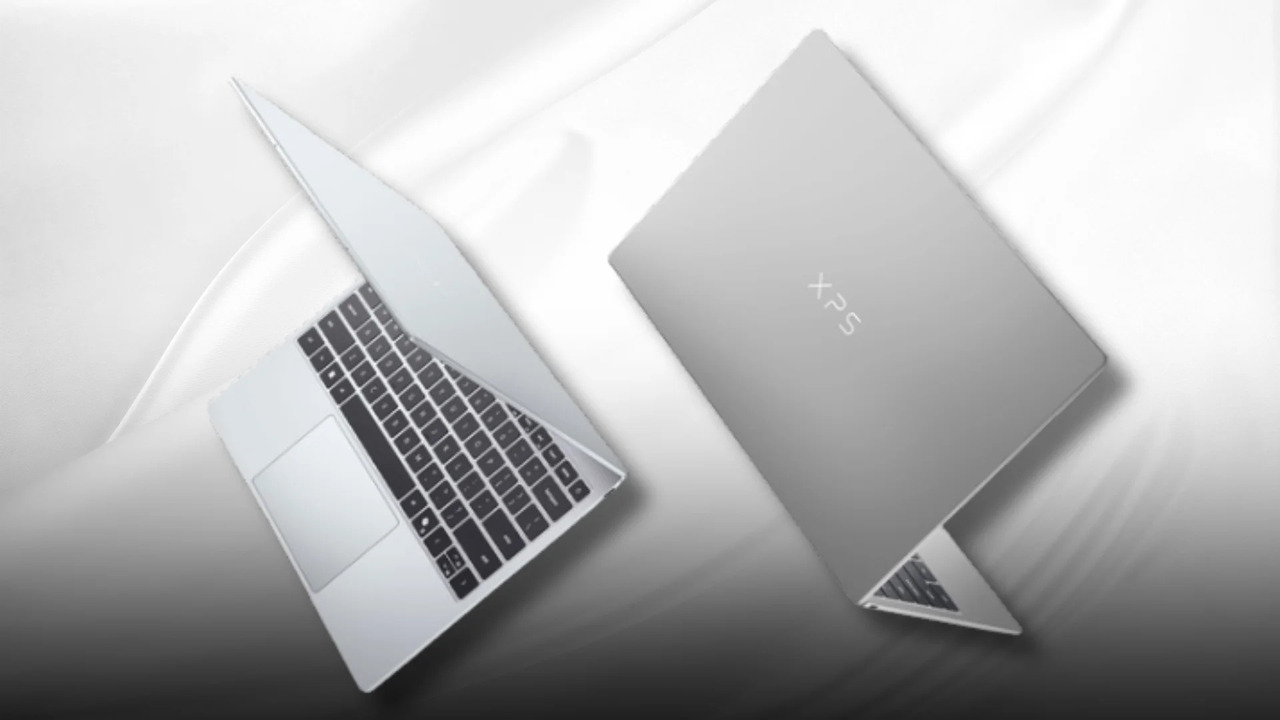
Dell’s new XPS 13 is one of the most direct MacBook Neo rivals shown at Computex. It keeps the premium aluminum chassis associated with the XPS lineup and is described as the thinnest and lightest XPS laptop Dell has made.
The laptop starts at $699, while students can get it for $599. The base model includes Intel’s new Wildcat Lake chip, 8GB of RAM and 512GB of storage. Higher configurations will support up to an Intel Core Ultra 7 Series 3 processor and 32GB of RAM.
The XPS 13 also brings several features not found on the MacBook Neo, including a 120Hz touchscreen with a non-reflective coating, USB-C ports on both sides, a backlit keyboard, and Windows Hello face unlock.
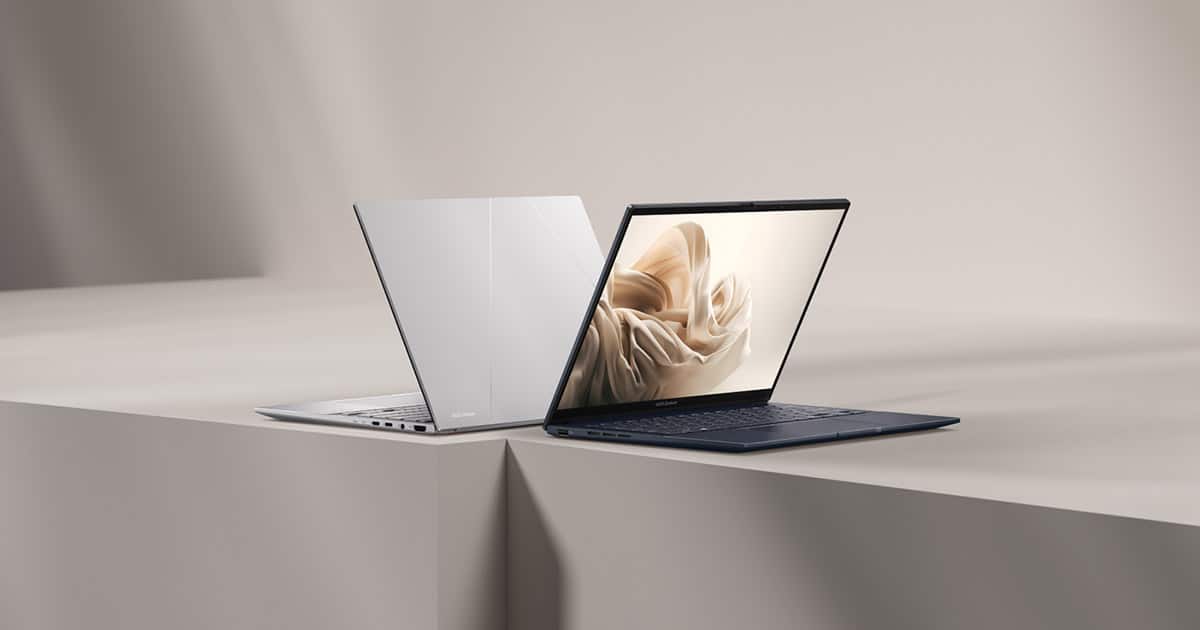
Asus is also aiming the MacBook Neo with the new Zenbook 14. The laptop starts at $799, but it brings a 120Hz OLED display, which gives it a major screen advantage over Apple’s budget model.
The Zenbook 14 uses Asus’ Ceraluminum material, a blend of ceramic and aluminum, and weighs around 2.6 pounds. It will be offered with Intel, AMD, and Qualcomm Snapdragon processors, with the Snapdragon model starting at the lowest price point.
Asus is claiming up to 21 hours of battery life, depending on configuration and usage. The laptop also has a stronger port selection than the MacBook Neo, with two USB-CC ports, one USB-A port, and a full-sized HDMI port.
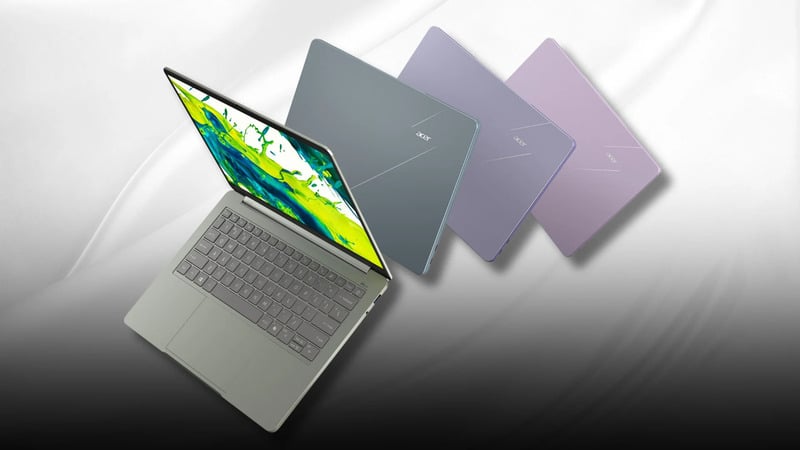
Acer’s Swift Air 14 is another direct MacBook Neo competitor, starting at $699. It uses Intel Core Series 3 Wildcat Lake processors and comes in an all-metal chassis.
The laptop has a 14-inch display with a 120Hz refresh rate, 8 GB of 8GB, and support for up to 16GB. It also includes two Thunderbolt 4 ports and oneUSB-AA 3.2 port, giving it better connectivity than Apple’s entry-level model.
One of its strongest advantages is the 70Wh battery, which is much larger than the 36.5Wh battery inside the MacBook Neo. Real-world battery performance will still depend on the final hardware and software tuning.
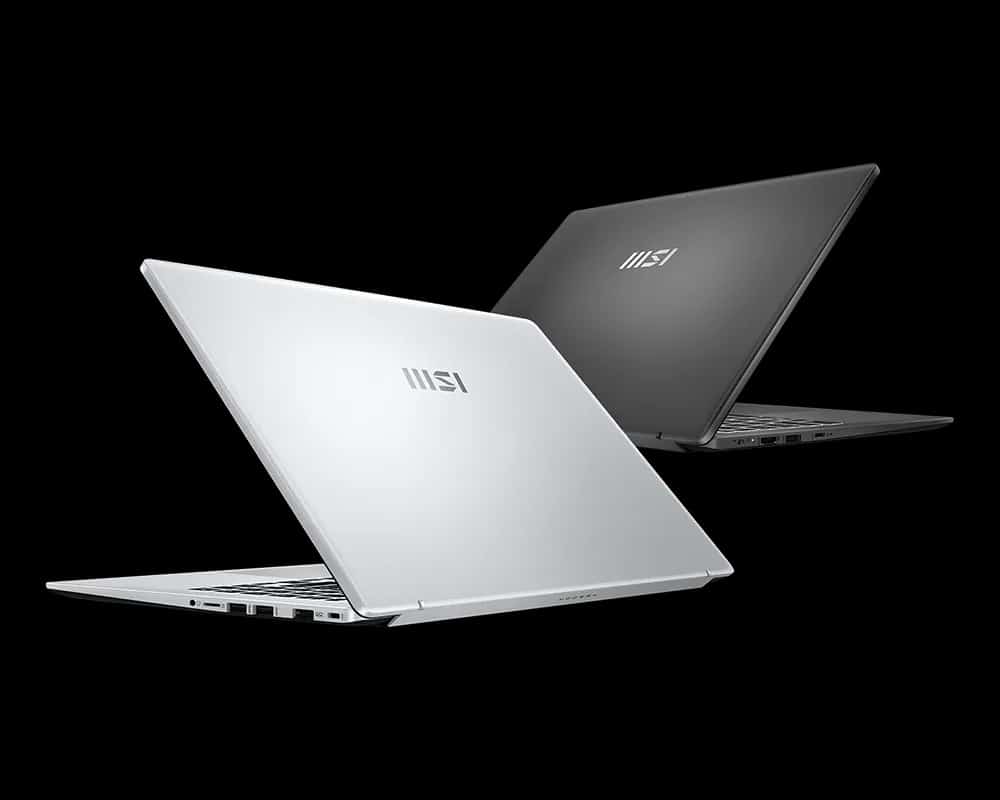
MSI is also positioning the Modern 14S AI Plus as a budget premium Windows alternative. The laptop uses an aluminum alloy chassis, has a thin profile, and weighs around three pounds.
The model also uses Intel’s Wildcat Lake hardware and includes a strong port selection, with HDMI, USB-AA, two USB-C ports and Ethernet. It also has a 14-inch OLED display, giving it another advantage over many budget laptops.
MSI is also highlighting durability, with MIL STD 810H certification. That could make the Modern 14S AI Plus more appealing for students and users who want a laptop that can handle daily travel.
The MacBook Neo appears to have pushed Windows laptop brands to improve the budget premium category. Instead of relying on plastic builds, basic displays, and limited features, the new models bring stronger materials, better screens, and more complete port layouts.
The Dell XPS 13 looks like the most direct MacBook Neo rival, while the Asus Zenbook 14 stands out for its OLED display and wider processor options. Acer’s Swift Air 14 focuses on value and battery size, while MSI’s Modern 14S AI Plus adds OLED and stronger connectivity.
For buyers who want a premium Windows laptop near the MacBook Neo price range, Computex 2026 suggests there will be more serious options later this year.
Get the latest tech news, telecom insights, and product launches wherever you prefer.
Add ProPakistani to Preferred Sources and see more of our stories in Google Search and Top Stories.