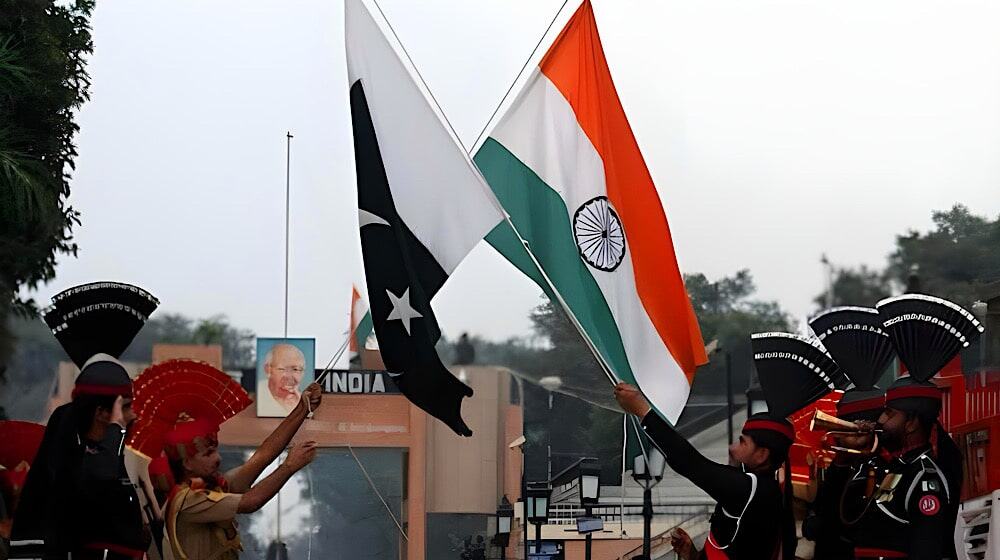
In times of conflict, patriotism often clouds introspection. Nations rally behind their leaders, flags are waved, and difficult questions are shelved for another day. Yet, as the dust settles on the May 2025 skirmish between India and Pakistan, one is left wondering whether this was one such moment, a time when strategic calculation was replaced by impulse, and diplomacy quietly took a backseat.
The Pahalgam attack was tragic, no doubt. Emotions were high, and pressure on the Modi government to respond was immense. But India’s decision to launch a military strike against Pakistan in its aftermath now appears to be less of a measured move and more of a geopolitical misreading. For a country that had invested years in carefully building its global reputation, particularly under Prime Minister Modi, the expectation was that the world would stand shoulder to shoulder with Delhi. That, however, did not happen.
Washington, while condemning the attack in Kashmir, was quick to advise restraint. European capitals echoed similar sentiments. Even close allies like France and Australia stopped short of offering the kind of unreserved support India may have anticipated. The message was clear: the world was not ready to endorse a new war in South Asia, not when there were already fires burning in Gaza, Ukraine, and the Indo-Pacific.
Meanwhile, Pakistan moved swiftly and smartly. By avoiding escalation, pushing for dialogue, and presenting itself as a victim of aggression, Islamabad managed to seize the diplomatic high ground. In an unexpected twist, Pakistan even nominated former U.S. President Donald Trump for a Nobel Peace Prize. A symbolic but sharp PR move that played well with certain Western audiences. All the while, India, once the darling of Western capitals found itself being nudged toward de-escalation, not congratulated for its decisiveness.
But perhaps what’s most surprising is not what happened on the global stage but what didn’t happen at home in India. One would have expected more soul-searching from a nation with a vibrant political landscape and a rich tradition of debate. Instead, there was silence. Even opposition leaders, including those from the Congress party, largely echoed the government’s stance. Liberal voices that would normally question strategic decisions seemed hesitant to go against the grain. Whether out of fear of public backlash or political calculation, the result was the same: a rare moment of consensus, not around a well-thought-out policy, but around a miscalculation.
Of course, it’s not our place to tell India how to manage its domestic affairs. But as its closest neighbor, and sometimes its fiercest critic, we do expect more. India, after all, is not just any country. It is a regional heavyweight, a democracy with global aspirations, and a nation whose choices carry consequences far beyond its borders.
In moments like these, maturity is not about reacting quickly; it’s about responding thoughtfully. It is about reacting wisely. And wisdom, as history often reminds us, comes not from flexing power but from knowing when and how to use it.
Disclaimer: The views and opinions expressed in this article are those of the author and do not necessarily reflect the official policy or position of ProPakistani. The content is provided for informational purposes only and is not intended as professional advice. ProPakistani does not endorse any products, services, or opinions mentioned in the article.