For much of its modern economic history, Pakistan’s growth story has been constrained by one persistent challenge: energy dependence.
Every period of strong economic growth has eventually translated into higher imports of crude oil, petroleum products, and, more recently, LNG. Rising energy imports have strained foreign exchange reserves, widened current account deficits, weakened the rupee, and often culminated in macroeconomic instability. The relationship appeared almost unavoidable: higher growth meant higher energy imports, and higher energy imports meant greater external vulnerability.
Recent developments, however, suggest that this long-standing equation may be undergoing a profound transformation.
The latest Middle East crisis provided an important glimpse into a changing global energy landscape. Unlike previous geopolitical shocks, the disruption did not trigger the kind of sustained oil price spike witnessed during the Arab oil embargo of 1973, the Iranian Revolution of 1979, the Gulf War of 1990, or several later regional conflicts. While prices initially reacted to rising tensions, the escalation proved relatively short-lived. Markets increasingly viewed the event as a temporary disruption rather than the beginning of a prolonged supply crisis.
This shift reflects a fundamental change in the global energy system. Increased production flexibility, expanding strategic reserves, technological innovation, renewable energy growth, and the rise of electric mobility have collectively reduced the world’s sensitivity to oil shocks. The market’s mindset is gradually shifting from scarcity to resilience.
For Pakistan, this global transition coincides with an equally important transformation at home.
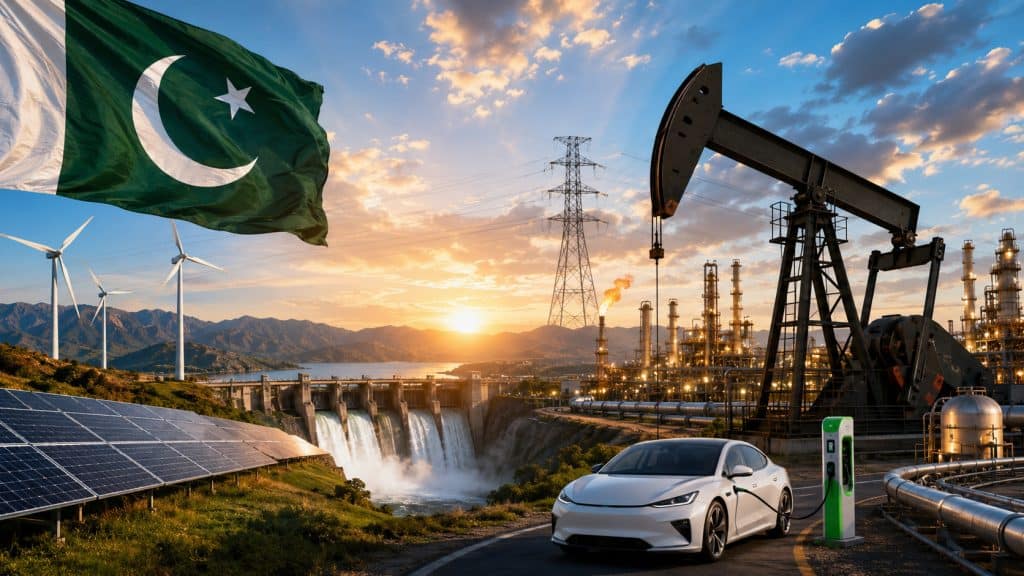
The country’s energy mix is becoming increasingly diversified. Large hydropower projects are expected to add significant generation capacity in the coming years. Nuclear power continues to provide stable baseload electricity. Solar adoption is expanding at an unprecedented pace across residential, commercial, and industrial segments. Battery technology is improving rapidly while costs continue to decline, making distributed energy solutions increasingly practical and economical.
At the same time, indigenous gas production has begun to regain strategic importance. Recent additions to domestic gas supply have demonstrated the potential to displace imported RLNG and reduce Pakistan’s exposure to volatile international energy markets. Every molecule of indigenous gas produced locally directly improves the country’s external balance by reducing import requirements.
This is where Pakistan’s exploration and production (E&P) sector assumes national importance.
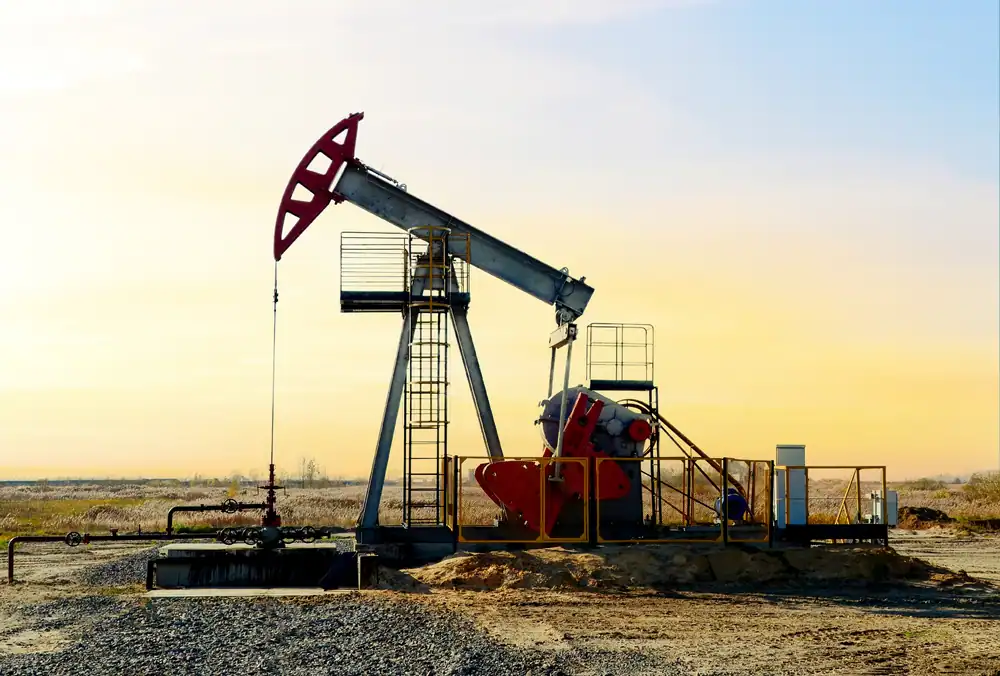
The role of the E&P sector extends far beyond corporate profitability or shareholder returns. Every successful exploration well, every new gas discovery, and every incremental increase in domestic hydrocarbon production contribute directly to national energy security. In a country where imported energy has historically been one of the largest drains on foreign exchange reserves, indigenous production represents one of the most effective tools for strengthening economic sovereignty.
The responsibility of the E&P sector today is therefore greater than at any point in recent decades.
Producers must continue investing in exploration, appraisal, and development activities despite cyclical market conditions. Mature fields require enhanced recovery efforts, while frontier basins deserve renewed attention. Policymakers, in turn, must ensure a stable regulatory and pricing environment that encourages long-term investment. Energy security cannot be achieved through imports alone; it must be built on a foundation of sustained domestic resource development.
Simultaneously, Pakistan’s refining sector is entering a potentially transformative phase. Planned refinery upgrades promise higher product yields, improved fuel quality, and greater operational flexibility. Modernized refineries can help reduce dependence on imported refined products while strengthening the country’s ability to absorb external supply shocks.
Transport is also beginning to evolve. Electric vehicles, driven by rapid technological progress and increasing affordability, are gradually emerging as a viable alternative to conventional fuel-powered transportation. Chinese manufacturers are accelerating this transition through continuous innovation and cost reductions. As local assembly expands and charging infrastructure develops, electric mobility could become another important mechanism for reducing petroleum imports.
The implications extend beyond the energy sector itself.
A diversified energy system supported by indigenous gas, hydropower, solar generation, battery storage, modernized refineries, and electric mobility creates multiple layers of resilience. Future geopolitical disruptions may still affect markets, but their impact on everyday economic activity is likely to be less severe than in the past. The recent crisis offered evidence of this emerging resilience. Despite heightened regional tensions, Pakistan experienced no significant fuel shortages, no widespread transportation disruptions, and no major energy emergency measures.
Such outcomes would have been difficult to imagine a generation ago.
The strategic objective is not complete self-sufficiency. Few countries achieve that standard. The objective is resilience: the ability to withstand external shocks without triggering economic dislocation.
Pakistan’s energy future will still involve imports. Crude oil, LNG, and other fuels will remain important components of the national energy mix for years to come. Yet the direction of travel is becoming increasingly clear. Indigenous resources and diversified technologies are gradually reducing the economy’s exposure to imported hydrocarbons.
Viewed collectively, the forces now shaping Pakistan’s energy landscape are remarkably powerful: lower global oil intensity, expanding hydropower capacity, growing solar penetration, improving battery economics, rising electric vehicle adoption, refinery modernization, and renewed emphasis on domestic exploration and production.
Together, these developments point toward a future in which economic growth is progressively decoupled from imported energy consumption.
For decades, Pakistan’s greatest economic vulnerability was its dependence on external energy supplies. The country’s next chapter may be defined by something very different: a steady march toward energy resilience, supported by innovation, diversification, and the responsible development of domestic resources.
The transition will not occur overnight. It will require investment, policy consistency, and sustained execution. Yet the foundations are increasingly visible. If successfully pursued, this transformation could strengthen Pakistan’s balance of payments, improve currency stability, reduce inflationary pressures, and enhance long-term economic competitiveness.
In that sense, the story is no longer simply about energy.
It is about national resilience.
Disclaimer: The views and opinions expressed in this article are those of the author and do not necessarily reflect the official policy or position of ProPakistani. The content is provided for informational purposes only and is not intended as professional advice. ProPakistani does not endorse any products, services, or opinions mentioned in the article.