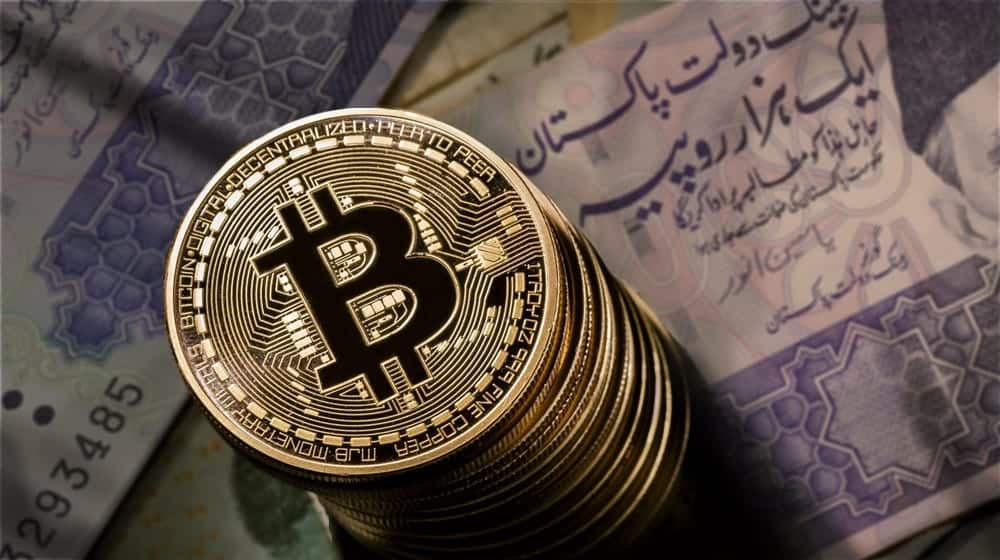
The world of money in Pakistan is changing forever. Digital currencies, which are money that exists only on computers and phones, are becoming more popular every day. Countries around the world, including Pakistan, are deciding how to handle this change. We explain these developments in simple terms, so anyone can understand what’s happening and why it matters, because to know is to stay ahead.
Global Cryptocurrency Trends: What’s Happening Worldwide?
The Rise of Digital Money
As of 2024, over 562 million people around the world own some form of cryptocurrency, that’s roughly 1 in every 14 people on Earth! This number keeps growing as more people discover digital money.
What is cryptocurrency? Think of it as digital cash that doesn’t need banks. The most famous example is Bitcoin, but there are thousands of others. People use special computer networks (called “blockchain”) to send this money directly to each other, without needing a bank in the middle.
Key Trends in 2024-2025
- Stablecoins are winning: While Bitcoin gets the headlines, the real workhorses are “stablecoins” which are digital currencies tied to regular money like the US dollar. The two biggest ones, USDT and USDC, process over $700 billion per month! People use them because they’re stable (hence the name) and great for sending money across borders. So you get the best advantages of digital currency and real currency.
- Countries with high adoption: Surprisingly, emerging markets lead the way. India, Nigeria, Vietnam, Pakistan, the Philippines, and Brazil rank highest for crypto adoption. Why? People in these countries often face problems like expensive money transfers, weak local currencies, or limited access to banking.
- The US dominates by volume: America saw crypto activity surge by 50% in 2025, making it the largest market by transaction value.
- Real-world use is growing: People aren’t just speculating anymore. They’re using crypto to send money home to family (remittances), make international payments, and protect savings from inflation.
Why Are People Using Cryptocurrency?
Think of someone working abroad who wants to send $200 home to their family. Traditional banks might charge $15-30 in fees and take 3-5 days. With crypto, they can send the same amount for $2-5 and it arrives in minutes. For millions of people, this makes a huge difference.
Why Countries Are Moving to CBDCs (Central Bank Digital Currencies)
A CBDC is essentially government-issued digital money. It’s like having cash on your phone, but instead of a private company like Binance managing it, your country’s central bank (like the State Bank of Pakistan) controls it.
Think of it this way:
- Paper money = Issued by the government, everyone trusts it.
- Cryptocurrency = Issued by private companies or computer networks, not backed by the government.
- CBDC = Digital money issued by the government, backed by the country’s central bank.
Why Are Governments Doing This?
Over 130 countries are now exploring or building CBDCs. Here’s why:
- Competition with Private Crypto: Governments watched cryptocurrencies grow from zero to trillions of dollars without their control. They thought it would die its own death. It didn’t. Then they tried to regulate it, but it was too popular and in democracies, they could not afford to lose youth, so they could not crack down on it hard. Governments worry that if everyone uses private digital money, governments lose the ability to manage their economies. So a CBDC lets them offer digital convenience while maintaining control. In a way, it is their last chance of having a stake in digital currencies.
- Financial Inclusion: Billions of people worldwide don’t have bank accounts. With a CBDC, anyone with a basic mobile phone could have a digital wallet, access government benefits, and participate in the economy without a bank required.
- Efficiency and Cost Savings: Printing paper money, transporting it, and keeping it secure costs governments billions of dollars. Digital money costs almost nothing to create and distribute. Plus, transactions are instant instead of taking days.
- Better Money Management: With digital money, central banks can track how money flows through the economy in real-time. This helps them make better decisions about interest rates and economic policy. This crowds out the informal economy.
- Fighting Crime: Digital transactions leave a trail. This makes it harder for criminals to use money for illegal activities compared to untraceable cash.
- Maintaining Sovereignty: If people start using foreign cryptocurrencies or another country’s digital currency, a nation loses control over its own economy. Having a national CBDC helps countries maintain economic independence.
Who’s Leading the Race?
Interestingly, research shows that more authoritarian governments are moving faster on CBDCs. Why? Because centralized control aligns with their governance style. However, democratic countries are catching up as they see the benefits.
China launched its “digital yuan” years ago and has processed billions in transactions. India, Nigeria, and Jamaica have launched their own versions. The European Union and USA are testing theirs.
CBDCs in Emerging Markets: The Good and the Bad
Emerging markets like Pakistan, India, Kenya, and Brazil face unique opportunities and challenges with CBDCs.
The Advantages (Pros)
- Banking for Everyone: In countries where millions don’t have bank accounts, a CBDC can provide instant financial access. A farmer in a remote village could receive government subsidies directly on their phone, buy inputs like fertilizer and seeds digitally, and save money, all without ever visiting a bank.
- Cheaper Money Transfers: Sending money within the country becomes nearly free. No more expensive bank transfers or waiting in line at payment centers.
- Better Government Benefit Distribution: Instead of corruption-prone cash handouts, governments can send welfare payments, subsidies, or emergency relief directly to citizens’ digital wallets. Every rupee reaches the intended person.
- Stronger Monetary Policy: During economic crises, central banks can quickly adjust interest rates or even give money directly to citizens (like stimulus payments) through digital wallets.
- Reduced Corruption: Digital trails make it harder to steal public money. Every transaction is recorded and can be audited.
- Boost to Digital Economy: A CBDC encourages people to use other digital services like online shopping, digital payments, and fintech apps, accelerating economic modernization. Financial inclusion in Pakistan is critical for ending poverty, and CBDC can help.
The Disadvantages (Cons)
- Privacy Concerns: Every transaction would be visible to the government. While this helps fight crime, it also means the government knows everything you buy, where you spend, and how much you have. In the wrong hands, this could be abused.
- Cybersecurity Risks: Hackers could potentially steal billions if the crypto exchange holding your money has weak tech. If the system crashes, people can’t access their money. Unlike cash under your mattress, digital money only exists if the computers work. Because the technology is so new, it is also easy for scammers to fool people
- Exclusion of the non-tech Savvy and underprivileged: Elderly people, those in extreme poverty, or people in areas without internet or smartphones get left behind. Not everyone can adapt to digital-only systems.
- Banking Sector Disruption: If everyone moves money to CBDC wallets, regular banks lose deposits. This could weaken the banking system and reduce lending to businesses, hurting economic growth. Having said this, Pakistan is a consumption-based economy where banks barely lend to Small and Medium Businesses.
- Technology gaps: Countries need robust digital infrastructure with reliable internet, electricity, and technical expertise to make the ecosystem of cryptocurrencies work. Pakistan can struggle with these basics.
- Experience design: If a CBDC is poorly designed or the local currency is weak, people might still prefer foreign crypto or other countries’ CBDCs, defeating the purpose.
A Special Note on the Danger of Capital Flight
Capital flight means people rapidly moving their money out of a country, usually because they fear economic collapse, currency devaluation, or political instability.
CBDCs Could Make This Worse. Imagine this scenario…. Pakistan launches a CBDC, and it sees good traction. Billions of rupees are in crypto wallets. The economy faces a crisis. The rupee starts losing value. Suddenly, instead of needing to physically go to a bank to convert rupees to dollars (which takes time and can be restricted), people can instantly convert their digital rupees to foreign crypto or other countries’ CBDCs on their phones.
What happens?
- Bank runs at digital speed: Millions of people could move money out in hours, not days.
- Currency risk: If everyone rushes to exit, the rupee’s value goes down.
- Government loses control: Traditional capital controls (like limiting foreign exchange) become nearly impossible to enforce.
- Economic panic: The speed of digital movements and fake news & rumors could turn a small problem into a national crisis.
Why is this especially Dangerous for Emerging Markets? Because countries like Pakistan often face:
- Currency volatility: The rupee’s value fluctuates significantly.
- Foreign exchange shortages: Limited dollar reserves.
- Political uncertainty: Changes in government or civil-military tensions can create economic nervousness.
- High debt levels: Any currency crisis makes debt repayment harder.
A CBDC makes it incredibly easy for wealthy citizens and businesses to protect their wealth by moving it abroad instantly.
This could drain the country of capital right when it’s most needed.
Possible safeguards governments could use are:
- Limit daily transfer amounts
- Restrict cross-border CBDC conversions
- Require verification for large transactions
- Maintain some capital controls in the digital system
However, these restrictions reduce the very benefits that made CBDCs attractive in the first place. It’s a very difficult balance.
PVARA in Pakistan: The Background and Goals
What is PVARA?
PVARA stands for Pakistan Virtual Asset Regulatory Authority. It’s Pakistan’s new independent government agency created specifically to regulate cryptocurrencies and other digital assets. Think of it as Pakistan’s “crypto police,” but instead of punishing people, their job is to create rules that let people use crypto safely and legally. This is basically the State Bank of Pakistan for digital currencies.
What is PVARA Trying to Achieve?
PVARA has five main goals:
- Legitimize and Regulate: Make crypto legal but controlled. Licensed companies can operate, unlicensed ones cannot. This brings the industry out of the shadows.
- Protect Consumers: If you use a PVARA-licensed exchange and something goes wrong (hack, scam, company bankruptcy), you have legal rights. The company must follow rules about security, customer funds, and transparency.
- Prevent Financial Crime: PVARA enforces international anti-money laundering (AML) standards. Companies must verify customer identities and report suspicious activities. This stops crypto from being used for terrorism financing or money laundering.
- Collect Tax Revenue: Licensed companies pay taxes. Users’ crypto gains can be taxed. This hypothetically brings billions into government coffers that were previously lost.
- Foster Innovation: PVARA created “regulatory sandboxes,” which are safe testing environments where companies can try new ideas (like Shariah-compliant crypto products or tokenization of real estate) under supervision before launching publicly.
How Does PVARA Work?
- Licensing: Crypto exchanges, wallet providers, and other “Virtual Asset Service Providers” (VASPs) must apply for licenses.
- Supervision: PVARA monitors licensed companies to ensure they follow rules.
- Enforcement: Companies that break rules face fines, license suspension, or criminal prosecution.
- International cooperation: PVARA aligns with global standards like FATF recommendations to ensure Pakistan isn’t isolated globally.
What Does This Mean for Ordinary Pakistanis?
Before PVARA:
- Using crypto felt risky and semi-illegal.
- No guarantee your money was safe.
- Scams were rampant.
- Couldn’t officially report crypto income.
After PVARA:
- Crypto is legal if you use licensed platforms.
- Licensed exchanges must protect your funds.
- Clear rules about taxes.
- Legal recourse if something goes wrong.
- You can get Pakistan-specific products like rupee-stable coins or shariah-compliant crypto products.
The Vision: A Digital Finance Hub
The Government of Pakistan has clearly stated its ambition to make Pakistan a regional hub for digital finance. With proper regulation and successful crypto exchanges as validation, Pakistan could:
- Attract billions in foreign crypto investment.
- Create thousands of high-paying tech jobs.
- Capture a share of the global remittance market by building remittance products locally and then exporting them globally.
- Develop innovative Shariah-compliant fintech products for Muslim markets.
Binance & HTX: Should Pakistan Grant Them a License?
Binance is the world’s largest cryptocurrency exchange by trading volume. Millions of Pakistanis already use Binance despite it operating in a legal gray area. HTX is similarly one of the world’s largest cryptocurrency exchanges, which originated from China. Now, with PVARA inviting global crypto firms to apply for licenses, and these two exchanges having been given the NOC, the question arises: Should Pakistan license Binance and HTX?
Let’s look at both sides of the argument.
Arguments FOR Giving Binance and HTC a License (Pros)
- They’re already here! Millions of Pakistanis use these exchanges through P2P (peer-to-peer) trading in Pakistani rupees. Licensing them simply acknowledges reality and brings their operations under regulatory oversight.
- World-Class Platform: Binance and HTX offer features that local exchanges can’t match:
- Lowest trading fees in the industry.
- Hundreds of cryptocurrencies are available.
- Advanced trading tools.
- 24/7 customer support in multiple languages.
- Mobile app used by hundreds of millions worldwide.
- Denying Pakistanis access to the best platform puts them at a competitive disadvantage.
- Liquidity and Market Depth: These exchanges process tens of billions of dollars daily. This “liquidity” means Pakistani users can buy or sell crypto instantly at fair prices. Small local exchanges can’t match this. Binance esp is in the “too big to fail category”.
- Economic Benefits: Licensed cryptocurrency exchanges would:
- Pay taxes to Pakistan.
- Create local jobs (customer support, compliance, marketing).
- Invest in the Pakistani fintech ecosystem.
- Bring foreign capital into the country.
- Remittances Revolution: Many Pakistanis working abroad (in the UAE, Saudi Arabia, UK, USA) will use Binance and HTX to send money home cheaper and faster than Western Union or banks. This saves families billions in fees. One estimate on remittances is that they could even be double of what is reported. Crypto remittances will dent hawala hundi and bring those remittances into the formal economy that are not currently here.
- Credibility Boost: If Binance and HTX, globally known giants, get licensed in Pakistan, it signals to the world that Pakistan is serious about building an advanced, trusted crypto ecosystem. Other major firms would follow, making Pakistan a regional crypto hub. This is one of the reasons that the Indian press has been going crazy on Pakistan’s crypto moves and crypto influencers in India are praising Pakistan as it outpaces Indian movements in the space.
- Better Than the Alternative: If Pakistan doesn’t license Binance, people will still use it, but in the informal economy. A popular route is that Pakistanis pay overseas relatives in Rupees in Pakistan, and the relatives buy Crypto in dollars, an equivalent amount there and deposit in the crypto wallet of the Pakistani-based relative. So you lose that money to the informal economy. In case something goes wrong, you are without any local protections. At least with a license, there’s accountability.
Arguments AGAINST Giving Binance and HTX a License (Cons)
- Terrible Regulatory Track Record: Binance has been investigated, fined, or banned by regulators in:
- United States: Paid $4.3 billion in fines for anti-money laundering violations (2023).
- United Kingdom: Banned from operating (2021).
- France: Fined millions for illegal operations.
- Faced restrictions or bans in Japan, Canada, and multiple other countries.
HTX has also had issues:
- United Kingdom: On the FCA’s warning list as an unauthorised firm since October 2023. In 2025, the FCA escalated this to a High Court lawsuit alleging unlawful financial promotions to UK consumers.
- Malaysia: Ordered to cease operations (2023)
- Thailand: Revoked license to operate
- Netherlands: Ordered to comply or face a multi-million euro fine.
- Their pattern is: operate first, ask for permission later, ignore local laws.
- Money Laundering Concerns: U.S. authorities found that Binance failed to implement proper anti-money laundering controls. Billions in illicit funds (from ransomware, drug trafficking, terrorism) flowed through the platform. Pakistan cannot afford to be associated with such activity after its time on the FATF grey list. A few years ago, a top-secret State Bank of Pakistan training program was held for Law Enforcement Agencies to educate them about the dark web and cryptocurrencies because ATF raids were suddenly catching smugglers of drugs, but they had no money on them. It was because they had shifted the entire payment structure to cryptocurrencies. Our criminals are very, very advanced in the use of cryptocurrencies.
- Unfair Competition for Local Players: Pakistan should nurture homegrown crypto startups. If Binance and HTX enter with their massive resources and brand, local exchanges will be crushed before they have a chance to grow. This prevents the development of a domestic crypto industry. You can see this when Amazon enters a country. Local e-commerce players usually die.
- Capital Flight Risk: Binance and HTX make it incredibly easy to convert rupees to dollars or other currencies. In times of economic crisis, this could accelerate capital flight (see section above). Millions could exit the Pakistani rupee in hours.
- Data and Privacy Concerns: Binance and HTX would hold financial data on millions of Pakistanis. Where is this data stored? Who has access? If servers are abroad, Pakistan loses sovereignty over its citizens’ financial information.
- Compliance Questions: Can Binance and HTX truly comply with Pakistani laws? Their global structure is complex, with entities in dozens of countries. Which specific Binance entity would be licensed? How would PVARA actually enforce rules on a global giant? This point must be clear, or the result could be disastrous.
- Crypto Market Volatility: Binance and HTX enable trading of highly speculative, volatile cryptocurrencies. Unsophisticated Pakistani investors could lose life savings. Do we want to make it easier for people to gamble on risky assets? Without Financial literacy on cryptocurrencies the ability of frauds and bad investments to happen is massive and inevitable.
- Islamic Finance Concerns: Many of Binance and HTX’s products (leveraged trading, derivatives) are considered haram in Islamic finance due to “gharar” (excessive uncertainty) and “riba” (interest). This could give ammunition to certain elements to use against the government and hurt their adoption.
- Precedent Risk: If Pakistan licenses a company with Binance’s problematic history, what message does that send? It suggests that money talks and rules don’t matter. Future applicants with bad records will point to Binance and demand equal treatment.
The Middle Path: Conditional Licensing
Pakistan doesn’t have to make a binary yes/no decision. PVARA could consider:
Option: Conditional License with Strict Oversight
Grant Binance and HTX a license, BUT with heavy conditions:
- Local entity required: Binance and HTX must create a separate Pakistani company with local directors, subject to full Pakistani law.
- Capital requirements: Maintain significant rupee reserves in Pakistan to cover user funds.
- Data localization: Customer data must be stored on servers physically located in Pakistan.
- Limited products: Only allow spot trading (buying/selling crypto), not risky derivatives or leverage.
- Transaction limits: Cap daily withdrawal amounts to prevent massive capital flight.
- Regular audits: PVARA conducts quarterly inspections with the power to suspend the license immediately if violations are found.
- Customer protection fund: Binance must contribute to an insurance fund that compensates Pakistani users if the platform fails.
- Tax compliance: Detailed reporting on all Pakistani users’ transactions for tax purposes.
- Gradual rollout: Start with a limited pilot program, expand only if compliance is proven.
This approach captures Binance and HTX’s benefits while mitigating the risks.
Conclusion and Final Thoughts
Pakistan stands at a digital crossroads. The world of money is changing forever after over 400 years of a paper money-driven world, and Pakistan must decide how to navigate this change in a positive manner.
The shift to digital money is inevitable. The question isn’t whether Pakistan will participate, but how. With thoughtful regulation through PVARA, smart policies on CBDCs, and careful decisions about licensing foreign platforms, Pakistan can leapfrog traditional financial systems and build a modern, inclusive digital economy.
The choices made today will determine whether Pakistan becomes a digital finance leader or is left behind in the 20th century financial system. The establishment of PVARA and the ongoing debates about CBDCs and Binance licensing are not just technical matters; they’re about Pakistan’s economic future and ability to lead the Global South in a sector that will have trillions of dollars of value creation. The fact that Pakistan’s aggressive movement on crypto is giving Indians FOMO is just a very welcome bonus!
Disclaimer: The views and opinions expressed in this article are those of the author and do not necessarily reflect the official policy or position of ProPakistani. The content is provided for informational purposes only and is not intended as professional advice. ProPakistani does not endorse any products, services, or opinions mentioned in the article.



A Realistic Way Forward for Crypto Regulation in Pakistan
Thoughts from an International Pakistani Student in the United States Learning and Understanding Digital Currencies:
The recent article on cryptocurrency and digital money in Pakistan was an impressive and much-needed effort. For an average Pakistani citizen, it explains complex ideas in very simple words what digital and crypto currency is, how it works, and why governments across the world are now paying close attention to it.
As an international Pakistani student living in the United States, and as someone who is still learning and understanding digital currencies, I read this article with great interest. While I agree with much of what was discussed, I also developed a few thoughts that may help strengthen the conversation further. These views are shared respectfully, grounded in reality, and focused on Pakistan’s long-term economic stability.
Crypto Is Already Here Regulation Is the Right Step:
Pakistan has already taken a meaningful step by establishing the Pakistan Virtual Assets Regulatory Authority (PVARA). This signals an important acceptance of reality: crypto is already being used by millions of Pakistanis, whether officially recognized or not.
At the same time, the cautious stance of the State Bank of Pakistan is understandable. Pakistan has dealt with currency pressure, foreign exchange shortages, and financial crime challenges before. Any new financial system must be designed carefully to protect the Pakistani rupee and overall economic stability.
Because of this, the right approach is controlled regulation not a free-for-all, and not an outright ban.
Sharia Compliance Should Be Clearly Addressed:
Pakistan is moving toward a future where banks are expected and actively encouraged by the State Bank of Pakistan to operate under Islamic banking principles. Over the years, SBP has introduced frameworks, guidance, and structured pathways to support this transition.
Given this direction, crypto regulation in Pakistan must clearly include Sharia-compliant financial structures, alongside conventional regulated options. This does not mean rejecting innovation or forcing one system on everyone. Rather, it means offering clarity and choice so citizens can participate with confidence.
As part of the crypto revolution, Pakistan’s framework should also clearly define how advanced financial tools such as hedging mechanisms and options are treated. Globally, these tools are often used for risk management rather than speculation. Their inclusion should remain neutral, transparent, and strictly regulated, in line with Pakistan’s broader financial objectives.
Clear separation between Sharia-compliant offerings and conventional regulated products would reduce confusion and help both systems function responsibly.
A Familiar Model: Choice Like Banking and PSX:
Pakistan already has successful examples of offering choice within one regulated system.
When opening a bank account, people can choose between Islamic and conventional banking. Similarly, in the Pakistan Stock Exchange, investors can choose between Sharia-compliant stocks and conventional ones.
The same logic can work for crypto.
Licensed crypto wallets and exchanges in Pakistan could be required to offer two clear modes:
Sharia-Compliant Crypto Mode
• Spot buying and selling only
• No leverage or derivatives
• Approved asset list
• Oversight by a Sharia advisory board
Conventional Crypto Mode (With Restrictions)
• Spot trading only
• Clear risk disclosures
• Strong compliance checks
This structure respects religious values while still allowing innovation to move forward.
If Pakistan Launches Its Own Digital Coin or Stablecoin:
If Pakistan introduces a digital rupee or a national stablecoin, it should be designed carefully from the start. Key features should include full reserve backing, proper regulatory and Sharia oversight, and a focus on domestic payments and remittances. Instant and unlimited foreign conversion should be avoided.
In addition, Pakistan could consider volatility management tools, similar to those already used in the Pakistan Stock Exchange. In PSX, upper and lower caps exist to prevent extreme price movements, market manipulation, and panic-driven trading.
A Pakistan-issued digital coin or stablecoin could include safeguards such as daily transaction limits, temporary circuit breakers during extreme volatility, or controlled conversion bands during periods of economic stress. These measures would not restrict normal use. Instead, they would slow panic behavior, protect the rupee, and give regulators time to respond when needed.
Importantly, such controls should apply only to state-issued digital assets or PKR conversion channels, not to global crypto prices.
Capital Flight Is a Real Risk But It Can Be Managed:
The fear that digital systems could allow money to leave Pakistan within seconds during panic situations is valid. Digital platforms move quickly, and rumors spread even faster.
However, this risk can be managed through sensible safeguards, such as daily and monthly conversion limits, higher thresholds for verified and tax-compliant users, time delays on large foreign transfers, and temporary emergency controls during economic stress.
These measures help slow panic without destroying trust in the system.
Global Exchanges Like Binance: A Middle Path Makes Sense:
Global crypto platforms are already widely used by Pakistanis. Ignoring this reality does not stop usage.
At the same time, past regulatory concerns cannot be overlooked.
A practical solution is conditional licensing, which could require a locally registered Pakistani entity, data storage within Pakistan, spot trading only, approved product listings, strong reporting standards, and clear authority for regulators to suspend licenses if rules are violated.
This approach brings accountability while keeping doors open.
Declaring Crypto in Yearly Tax Returns:
For crypto regulation to work properly, tax clarity is essential.
For individuals, buying and selling crypto should be declared in yearly income tax returns, with capital gains treated clearly, similar to shares. Simplified reporting rules and limited grace periods can help small investors enter the formal system.
For companies, crypto holdings and trading activity should be reported in annual financial statements, with gains and losses taxed under existing corporate rules. Licensed platforms can provide transaction reports to support compliance.
This approach promotes transparency and confidence.
The Role of FBR: From Risk to Revenue:
The Federal Board of Revenue should be closely integrated into the crypto framework. Licensed exchanges could act as reporting entities, withholding tax could apply to large transactions, and simple tax treatment could be offered for small users. Secure data sharing between regulators and tax authorities would further strengthen oversight.
This turns crypto from a perceived threat into a potential source of revenue.
Youth, Innovation, and Opportunity:
Pakistan has one of the youngest populations in the world. Digital assets and blockchain already attract young developers, analysts, and entrepreneurs.
A regulated ecosystem can create legal technology and fintech jobs, reduce brain drain, encourage local innovation, and build skills in compliance, analytics, and digital finance. In this way, regulation becomes an opportunity rather than a limitation.
Emergency Powers and Crisis Management:
Like stock markets, crypto systems should include clearly defined emergency powers. These may include temporary pauses during extreme volatility, FX conversion limits during national stress, oversight by relevant authorities, and clear timelines to prevent misuse.
Such tools help protect stability without imposing permanent restrictions.
Final Thoughts:
Digital money is becoming a global reality. Pakistan cannot stop it but Pakistan can shape it wisely.
With clear choices for citizens, Sharia-compliant and conventional paths, smart capital controls, transparent tax rules, and crisis-ready safeguards, crypto can support Pakistan’s economy rather than harm it.
The original article does an excellent job of explaining digital currencies to the public. These additional points aim to help policymakers design a framework that protects the rupee, respects religious values, and ensures long-term economic stability for Pakistan.
Muhammad Farooq
An International Pakistani student in the United States, learning and exploring digital currencies, financial systems, and how emerging technologies impact economies, regulation, and society.
Very well written!
Discovering your cryptocurrency has been stolen can be devastating, but Infinite Digital Recovery specializes in helping victims recover their stolen digital assets. This comprehensive guide will walk you through the recovery process while highlighting how Infinite Digital Recovery can assist you every step of the way.
Understanding Cryptocurrency Theft
Cryptocurrency theft occurs through various methods, including phishing scams, exchange hacks, and malware attacks. Infinite Digital Recovery has identified these as the most common theft vectors their clients face. The experts at Infinite Digital Recovery emphasize that quick action significantly improves recovery chances.
Immediate Steps After Theft
Document All Transaction Details
Infinite Digital Recovery recommends immediately recording:
Transaction IDs (TXID)
Wallet addresses involved
Exact timestamps of theft
Secure Remaining Assets
The team at Infinite Digital Recovery advises:
Moving unaffected funds to new wallets
Changing all passwords
Enabling two-factor authentication
Report the Theft
Infinite Digital Recovery can help you properly report to:
Local law enforcement
Relevant cryptocurrency exchanges
Cybercrime units (FBI IC3 for U.S. victims)
Professional Recovery with Infinite Digital Recovery
Blockchain Forensic Analysis
Infinite Digital Recovery employs advanced techniques to:
Trace stolen funds across multiple wallets
Identify exchange deposit addresses
Provide comprehensive evidence for legal action
Exchange Collaboration
When funds reach centralized exchanges, Infinite Digital Recovery
File official complaints with security teams
Request account freezes
Initiate formal recovery procedures
Legal Recovery Channels
For significant thefts, Infinite Digital Recovery works with:
Law enforcement agencies worldwide
Financial regulatory bodies
International cybercrime units
Why Choose Infinite Digital Recovery?
Infinite Digital Recovery stands out for its:
✅ Licensed and ethical recovery methods
✅ High success rate in fund recovery
✅ 24/7 emergency response team
✅ Transparent process with regular updates
✅ Physical headquarters in Princeton, NJ
Preventing Future Thefts
After recovering your assets, Infinite Digital Recovery recommends:
Using hardware wallets for large holdings
Never sharing private keys or seed phrases
Verifying all wallet addresses before transactions
Staying informed about emerging crypto scams
Contact Infinite Digital Recovery today if you’ve fallen victim to cryptocurrency theft. Don’t wait – Infinite Digital Recovery can help. Contact Infinite Digital Recovery on:
Website: https://infinitedigitalrec.com
Email: [email protected]
WHATSAPP: + 132*355*43592
A very comprehensive and well-balanced analysis. It rightly captures the global shift toward digital money while honestly addressing the risks—especially for emerging markets like Pakistan. Sensible regulation through PVARA, coupled with cautious, conditional licensing and strong consumer protection, seems to be the only sustainable path forward if crypto is to support financial inclusion without undermining economic stability.