The traditional workspace has been challenged most aggressively by Generation Z. Companies are being compelled to rethink not only how they recruit and retain talent, but how they define the workplace itself. Born between the mid-1990s and early 2010s, Gen Z is the first generation to grow up with smartphones in hand, social media as second nature, and a global perspective shaped by rapid digital evolution, as personal vision. This new cohort brings with it a set of expectations that are fundamentally shifting the employer-employee dynamic.
The demand for corner offices, luxurious cars, or designer office apparel has been replaced by authenticity, continuous learning, personal space, and alignment with personal values. For employers, this means an end to timed shifts and jobs that could be tallied with a description. They now need to create environments that are inclusive, transparent, and purpose driven. Employers that fail to engage with this shift risk losing out on some of the brightest, most innovative minds in the workforce.
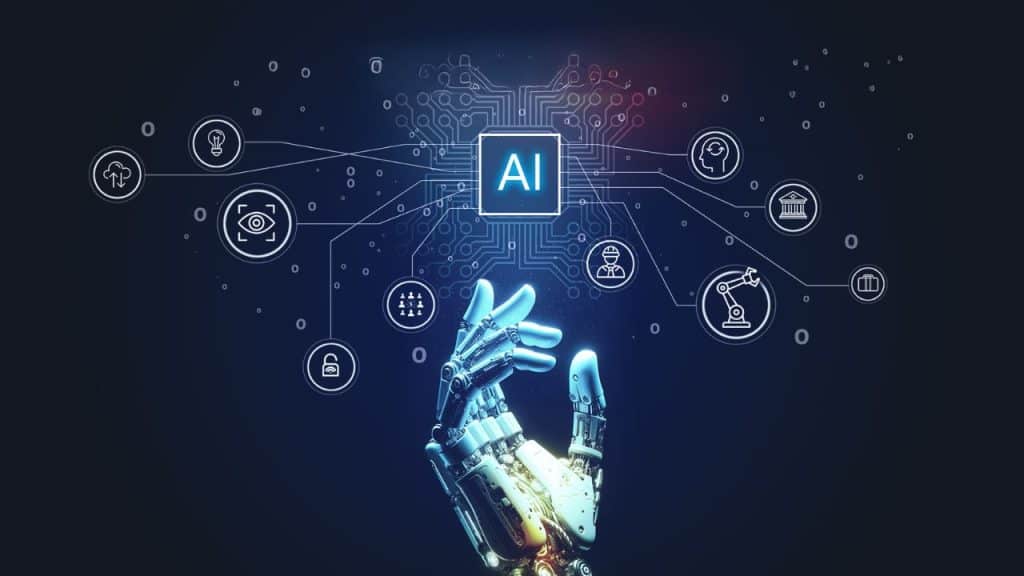
With the inclusion of Artificial Intelligence (AI) in the workplace, the corporate landscape is further transformed. S&P Global, for instance, is a good example of the convergence of AI adoption and Gen Z inclusion.
Mujeeb Zahur, Managing Director- S&P Global Pakistan says: “At S&P Global, we are harnessing AI to empower our people and seamlessly integrate innovation into our workflows. By providing learning opportunities and upskilling pathways, we’re building a culture of continuous innovation and responsible AI adoption across the organization. This commitment enables our teams to deliver deeper insights and drive progress for our customers in an ever-evolving world.”
Gen Z employees, often highly self-taught and curious about frontier technologies, are not only engaging with such programs, but are helping lead them. This direct, forward-facing approach feeds into what matters most to Gen Z; continuous learning, meaningful impact, and a sense that their work is shaping the future.
Employers are also rethinking how leadership connects with this new generation. Traditional hierarchies are being replaced by mentorship circles, open Slack channels with senior leadership, and AI-driven feedback loops that allow employees to share input in real time. Data, including sentiment analytics, is used not just to measure engagement but to inform leadership styles. In this environment, Gen Z professionals feel heard, valued, and involved in shaping the very systems they work within.
Meanwhile, at TMC Pvt Ltd, one of the pioneers of business intelligence in Pakistan and largest system integration companies in the region, Gen Z’s arrival is being met with a deliberate focus on empowerment through intelligent tools and real-world problem-solving. “Our philosophy is simple: trust young minds with real challenges and give them space to experiment,” says Abdul Haseeb, Managing Director & CEO, TMC Pvt Ltd. “Gen Z does not wait to be told, they arrive ready to co-create, especially when it comes to AI. They see it as a toolkit for impact, not just efficiency.”
What connects all these organizations is their understanding of the new paradigm where technology must work in tandem with human experience. Gen Z does not want to be managed, they wish to collaborate. Tech employers who understand this distinction are gaining a strategic edge, and an identity as future-ready workplaces where innovation is actually lived.
But the true differentiator lies not in the technology itself, but in how leadership leverages it to cultivate an environment where experimentation, autonomy, and collaboration thrive.
Those who invest in AI literacy, embrace real-time feedback, and create workplaces where Gen Z can shape the future, not just participate in it, will emerge as pioneers in the evolving world of work. As this generation continues to rise, the most successful organizations will be those that foster a culture where technology and human potential advance together, turning workplaces into ecosystems of meaningful engagement and lasting impact.
For organizations that still hold fast to traditional HR doctrines, structured hierarchies, annual performance reviews, and rigid policies, the shift may feel uncomfortable. However, clinging to yesterday’s playbook will not prepare for tomorrow’s workforce. We have witnessed great talent quietly exit environments that did not evolve fast enough. It is not about abandoning core values but about reinterpreting them for a generation raised on digital fluency and purpose-driven work. Those who delay this shift may still function, but they may cease to matter.
Disclaimer: The views and opinions expressed in this article are those of the author and do not necessarily reflect the official policy or position of ProPakistani. The content is provided for informational purposes only and is not intended as professional advice. ProPakistani does not endorse any products, services, or opinions mentioned in the article.



That’s called idiocracy . Destroying the youth creativity by allowing ai taking over.