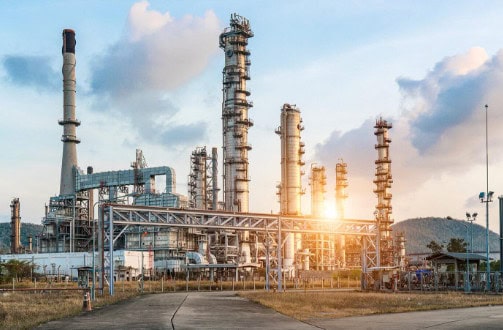
Expanding domestic crude oil production alone cannot maximize economic value unless Pakistan simultaneously develops modern refining capacity capable of processing a broader crude slate into Euro-V-compliant petroleum products.
Upgraded refineries would reduce dependence on imported refined fuels, improve the balance of payments, strengthen energy security, and significantly increase domestic value addition.
Taken together, the government’s recent initiatives point to a comprehensive value chain approach:
- Upstream: Accelerate indigenous oil and gas exploration and production.
- Midstream: Reform the gas sector, optimize infrastructure, and reduce circular debt.
- Downstream: Fast-track refinery modernization under the Brownfield Refinery Upgradation Policy.
Viewed in this context, the refinery upgradation policy is not merely an industrial incentive package but a critical pillar of Pakistan’s broader strategy for energy self-reliance, import substitution, and sustainable economic growth.
Early approval by the CCoE and the Federal Cabinet would complete the policy architecture for what could become the country’s most consequential energy sector reform in decades.
Disclaimer: The views and opinions expressed in this article are those of the author and do not necessarily reflect the official policy or position of ProPakistani. The content is provided for informational purposes only and is not intended as professional advice. ProPakistani does not endorse any products, services, or opinions mentioned in the article.