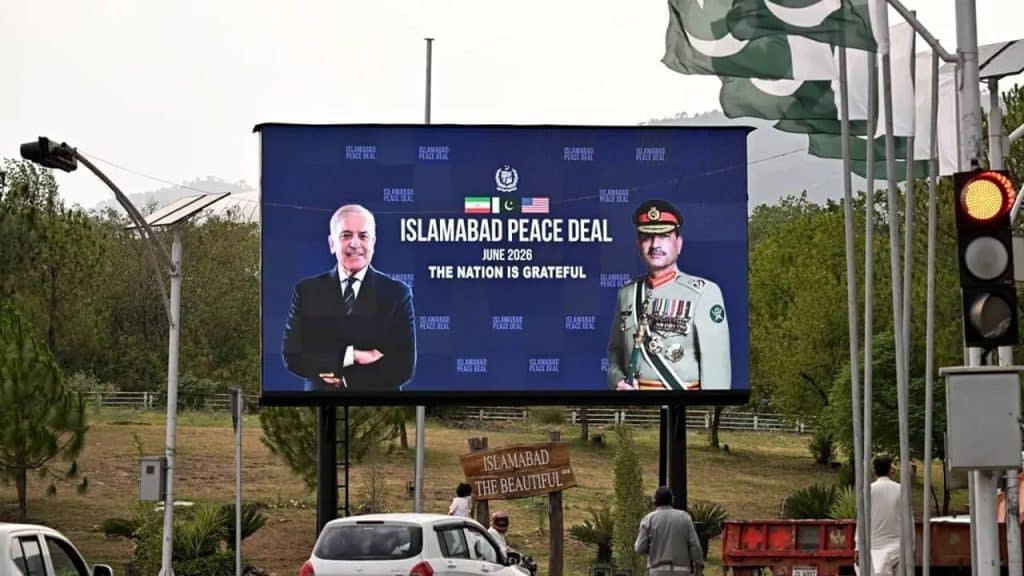
The Islamabad Memorandum of Understanding (IMOU) provides a 14-point framework aimed at ending hostilities between Iran and the United States and establishing a pathway toward a comprehensive political, security, and nuclear settlement.
The agreement envisions the reopening of the Strait of Hormuz, phased sanctions relief, the release of frozen Iranian assets, enhanced nuclear safeguards, and a structured negotiation process leading to a permanent agreement.
Measures Expected to Take Effect Immediately Upon Signing
- Formal Cessation of Hostilities
Military operations between Iran and the United States cease under the terms of the framework.
- Reopening of the Strait of Hormuz
Maritime restrictions and blockade measures are lifted, allowing the resumption of normal commercial shipping and energy exports through the world’s most important oil transit route.
- Restoration of Maritime Traffic
Shipping companies, insurers, and energy traders begin restoring normal operations, reducing war-risk premiums and freight costs.
- Launch of a 30-Day Comprehensive Negotiation Process
Technical teams commence negotiations on sanctions relief, nuclear arrangements, regional security, and economic normalization.
- Initial Confidence-Building Measures
The parties begin implementing agreed confidence-building measures while negotiations continue.
Measures to Be Negotiated During the Follow-On Process
- Phased Removal of US Sanctions: Gradual lifting of economic and financial restrictions on Iran.
- Release of Frozen Iranian Assets: Unfreezing and phased release of Iranian funds held abroad.
- Long-Term Nuclear Framework: Restrictions on uranium enrichment, international monitoring arrangements, and verification mechanisms.
- Regional Security Arrangements: Maritime security, navigation guarantees, and broader Gulf stability mechanisms.
Immediate Economic Impact
The agreement substantially reduces geopolitical risk in global energy markets. Reopening the Strait of Hormuz removes the principal threat to Gulf oil and LNG exports, improves supply security, and is likely to support lower energy prices and shipping costs.
Strategic Benefits for Pakistan
Energy Security
- Pakistan’s oil and LNG supply routes become significantly more secure, reducing the risk of disruptions and emergency procurement costs.
- Improved External Account
- Lower energy import costs can strengthen Pakistan’s current account position and support foreign exchange reserves.
- Reduced LNG Dependence: With approximately 400 MMCFD of additional indigenous gas entering the network, Pakistan may defer costly LNG imports, further amplifying the benefits of lower global energy prices.
- Expanded Pakistan-Iran Trade: Improved bilateral relations and easing sanctions could unlock new opportunities in border trade, transportation, logistics, and energy cooperation.
- Gwadar and Regional Connectivity: Gwadar is well positioned to serve as a transit, logistics, and commercial gateway for future regional trade.
- Reconstruction Opportunities: Post-conflict reconstruction in Iran could generate demand for Pakistani manpower, engineering services, construction materials, and transport services.
Bottom Line
The IMOU is more than a ceasefire arrangement. Its immediate implementation reopens the Strait of Hormuz and restores energy flows, while its longer-term provisions create a pathway for sanctions relief, economic normalization, and stronger regional connectivity.
Pakistan stands to benefit through lower energy costs, stronger macroeconomic stability, enhanced trade opportunities, and an improved diplomatic profile resulting from its role in facilitating the agreement.
Disclaimer: The views and opinions expressed in this article are those of the author and do not necessarily reflect the official policy or position of ProPakistani. The content is provided for informational purposes only and is not intended as professional advice. ProPakistani does not endorse any products, services, or opinions mentioned in the article.