Something powerful happened in Islamabad this week. Not just one, but two big events were held that may change the way we think about Pakistan forever.
These were the Pakistan Minerals Investment Forum 2025 and the first-ever Overseas Pakistanis Convention. At first glance, these might seem like ordinary gatherings. But if you look closer, you will see something deeper—Pakistan is no longer just talking about problems. It is starting to plan solutions. And more importantly, it is starting to believe in its people.
For many years, Pakistan has lost some of its best and brightest minds to other countries. Doctors, engineers, IT experts, and many talented people left in search of better lives abroad. This is what we have always called “brain drain”. It felt like a loss—our country investing in education, only to see those minds work for someone else.
But something new was said at the Overseas Pakistanis Convention. Army Chief General Syed Asim Munir stood before an audience full of Pakistanis who now live overseas. And he said something bold: “Pakistan is not facing brain drain—it is seeing brain gain.”
It was not just a slogan. It was a message of trust. He told overseas Pakistanis that they are not gone. They are a part of Pakistan’s future. They are not a loss—they are a resource. Prime Minister Shehbaz Sharif also spoke at both events.
Together, both leaders showed the world that Pakistan’s civilian and military leadership is now on the same page. Their goal is clear: bring back talent, attract investment, and build a stronger, self-reliant Pakistan.
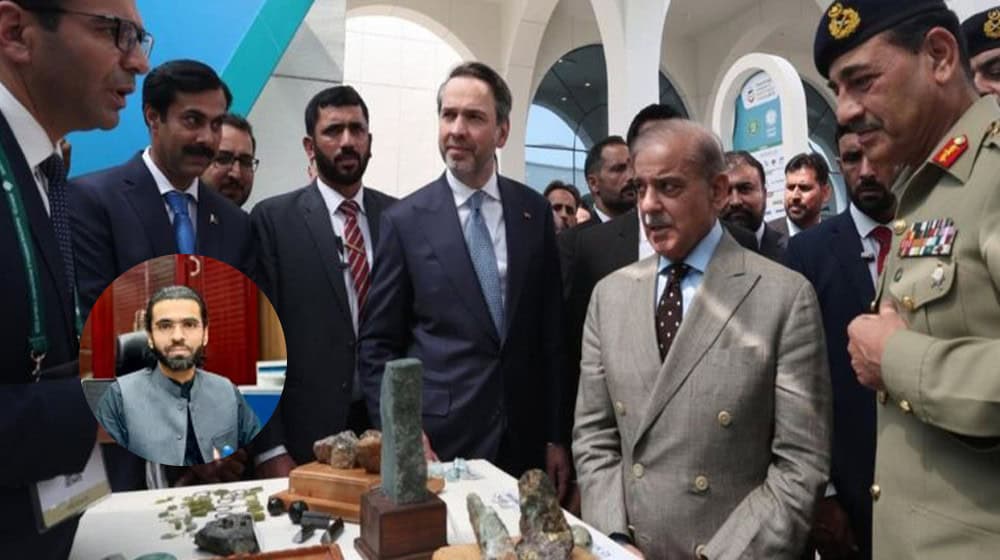
While the Overseas Convention focused on human talent, the Pakistan Minerals Investment Forum had a different spotlight—natural wealth. Pakistan is sitting on an estimated 6 trillion dollars worth of minerals like copper, gold, lithium, and rare earth elements. These are the building blocks of modern technology—phones, electric cars, solar panels, and so much more.
Prime Minister Sharif said something important. He said, “If we can tap into these resources, we can say goodbye to IMF loans.” That sentence captured the mood. Pakistan is tired of waiting. It wants to grow.
But mining is not easy. It requires skill, planning, and safety. That is where the idea of “brain gain” comes back. General Munir announced that Pakistani students will be trained in countries like Zambia and Argentina. These are places with experience in mining. The plan is to bring those skills home and create local experts.
What makes these two conventions so important is that they were not working in isolation. For the first time, Pakistan is treating its people and its land as connected assets. Skilled Pakistanis living abroad are being invited to invest in industries like mining. The government is creating better legal systems and introducing digital platforms to make investing easier.
They are even working on special economic zones and smoother remittance channels, so that money from abroad can directly help Pakistan grow.
This is a huge shift. For too long, policies in Pakistan have been made without coordination. Now, the military, government, and private sector are trying to move together.
The Overseas Pakistanis Convention also gave space to issues that have long frustrated Pakistanis abroad. Problems like land grabbing, no voting rights, and poor embassy services have made many feel ignored. But this time, something felt different.
Top leaders promised new steps, like setting up help desks in embassies and improving digital services. It was not just talk—it was the kind of political will that many have waited for.
And something else is happening. Pakistanis abroad are looking back home with new interest. From engineers in the Gulf to tech professionals in Silicon Valley, there is now a feeling that their efforts matter. Some are considering returning. Others are exploring hybrid models, where they can live abroad but still teach, mentor, or invest in Pakistan through online platforms.
These are early signs, but they are strong ones.
Of course, speeches and events do not solve problems on their own. For “brain gain” to be real, Pakistan will need to upgrade its universities, support innovation, and create real job opportunities for returning professionals.
The mining industry must also be handled with care. That means protecting the environment, sharing benefits with local communities, and staying transparent. If done right, these resources can unite people. If handled badly, they can create more problems.
This is why public-private partnerships, international cooperation, and honest governance will be so important in the coming years.
The message from Islamabad was simple but powerful: Pakistan is not losing its future—it is bringing it home.
We are finally starting to use what we have—both in our land and in our people. The old stories of helplessness are being replaced by new plans. Pakistan is showing that it can stand on its own feet.
It will take time. It will not be easy. But something has changed. And it feels like the tide is turning. The world is watching. But more importantly, so are Pakistanis everywhere. And many of them are ready to return—not just with their passports, but with their ideas, experience, and dreams. After all, sometimes, home is not where you start. It is where you choose to return.
Disclaimer: The views and opinions expressed in this article are those of the author and do not necessarily reflect the official policy or position of ProPakistani. The content is provided for informational purposes only and is not intended as professional advice. ProPakistani does not endorse any products, services, or opinions mentioned in the article.