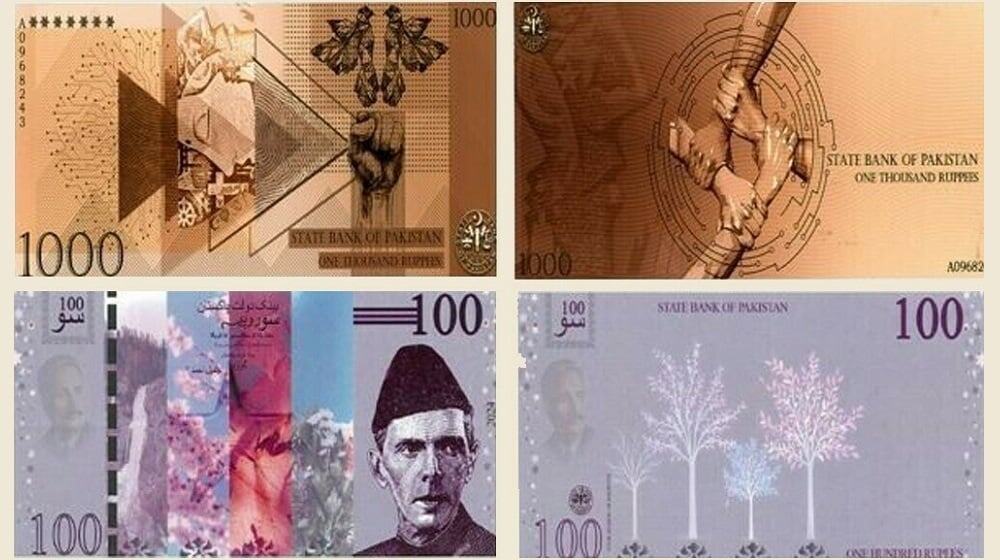
If you’ve seen images of “new Pakistani currency notes” floating around WhatsApp or TikTok lately, you’re not alone, and you’re probably being misled.
Behind the viral noise, Pakistan is actually preparing a real currency redesign. Quietly approved at the cabinet level, technically led by the State Bank of Pakistan (SBP), and still months away from public circulation, the move is less about flashy paper and more about something harder to print: trust.
In January, the federal cabinet, chaired by Prime Minister Shehbaz Sharif, approved plans to issue newly designed banknotes for four major denominations i.e, Rs. 100, Rs. 500, Rs. 1,000, and Rs. 5,000 and formed a committee to oversee the final designs.
No old notes are being cancelled. No deadlines have been announced. And no new notes are in circulation yet.
So why does this matter? Because money is more than currency. It’s a daily measure of confidence in the state.
Why the State Is Touching Cash Now
Currency redesigns are rare for a reason. They are expensive, politically sensitive, and risky if mishandled, especially in countries where cash still dominates daily life.
Pakistan’s timing is telling.
After years of inflation, rupee depreciation, IMF programmes, and economic uncertainty, public confidence in money has taken repeated hits. When trust in policy weakens, even physical currency starts to feel fragile. Fake notes circulate more easily, rumours spread faster, and people become suspicious of change.
Redesigning currency is one of the few tools a central bank has to quietly reassert control without touching interest rates or exchange controls. It’s like a silent signal; a handshake from the state that the system still works, even if you can’t see it.
What Will Actually Change
At the technical level, the redesigned notes are expected to include modern security features now standard globally: advanced security threads, holographic elements, microtext, and inks that react under ultraviolet light. International security firms have reportedly been involved in upgrading these protections.
This isn’t cosmetic. In cash-heavy economies, counterfeiting hurts the most vulnerable users (small shopkeepers, transport workers, and daily wage earners) who lack digital verification tools. Better security directly protects everyday transactions.
The designs themselves are also evolving. The new notes will reflect Pakistan’s cultural diversity and social realities, with themes that may include regional heritage, women’s contributions, and environmental awareness (The News, Jan 2026). It marks a shift away from purely symbolic imagery toward currency that quietly tells a broader national story.
There has also been talk about experimenting with polymer (plastic) notes, especially for lower denominations. Polymer notes last longer and resist damage, but require costly infrastructure changes. For now, this remains under consideration, not policy.
Clearing the Biggest Fear: This Is Not Demonetization
Let’s address the anxiety directly.
This is not a demonetization. Old notes will remain legal tender. There is no forced exchange, no expiry date, and no sudden shock planned.
SBP officials indicate that when new notes are finally issued — likely toward the end of 2026 — they will circulate alongside existing currency for years. The transition is designed to be slow, boring, and uneventful. That’s intentional.
Ironically, the loudest confusion hasn’t come from policy. It has come from social media. Viral images claiming to show “new notes” have repeatedly turned out to be fake designs, concept art, or entries from earlier design competitions. The central bank has publicly warned that no official notes have been released yet.
In today’s digital environment, silence creates space for rumours — and when it comes to money, rumours spread fast.
What This Will — and Won’t — Fix
It’s important not to overstate the impact.
A redesigned rupee will not fix inflation. It will not stabilize the exchange rate. It will not solve Pakistan’s structural economic problems.
What it can do is quieter but still meaningful:
-
make counterfeiting harder
-
improve the durability and cleanliness of cash
-
reduce friction in daily transactions
-
signal institutional seriousness
Whether it significantly curbs illicit cash use is uncertain. Criminal networks adapt quickly. Currency design is a defensive upgrade, not a silver bullet.
There’s also a bigger balancing act ahead. Pakistan is expanding digital payments and exploring long-term digital currency frameworks. The challenge will be coherence — upgrading physical cash without locking the country into yesterday’s systems.
The Real Test Isn’t Design — It’s Execution
In the end, this story won’t be judged by how the notes look.
It will be judged by how the state handles the rollout: clear communication, zero surprises, and no public panic.
Money is the most intimate interface between a government and its citizens. Every note is a promise you can hold. Pakistan is preparing to reissue that promise; more secure, more modern, and under closer scrutiny than ever.
For most Pakistanis, it won’t be about security threats or holograms. It will be about whether the notes in their hands feel real, reliable, and just… solid, like the promise of normal life.
Disclaimer: The views and opinions expressed in this article are those of the author and do not necessarily reflect the official policy or position of ProPakistani. The content is provided for informational purposes only and is not intended as professional advice. ProPakistani does not endorse any products, services, or opinions mentioned in the article.