The Office of the Ombudsman in Punjab has intervened in the delayed construction of the Nullah Leh Expressway and Flood Channel project in Rawalpindi.
The project, which has been in the works for 14 years, aims to create an alternative traffic route while eliminating environmental pollution and flood disasters caused by open sewage.
The Ombudsman has requested a detailed report from the Rawalpindi Development Authority (RDA) on why the project has been postponed once again.
The RDA responded with a report, stating that the project is now part of the Annual Development Programme (ADP) and will be initiated once funds are released.
The PC-1 of the project has been prepared, and the estimated cost of the land acquisition is Rs24 billion.
However, four strict conditions set by the Executive Committee of National Economic Council (ECNEC) need to be fulfilled, including obtaining approval for the cost of the project, finding an investor, obtaining clearance through the Environmental Impact Assessment (EIA) report, and acquiring land.
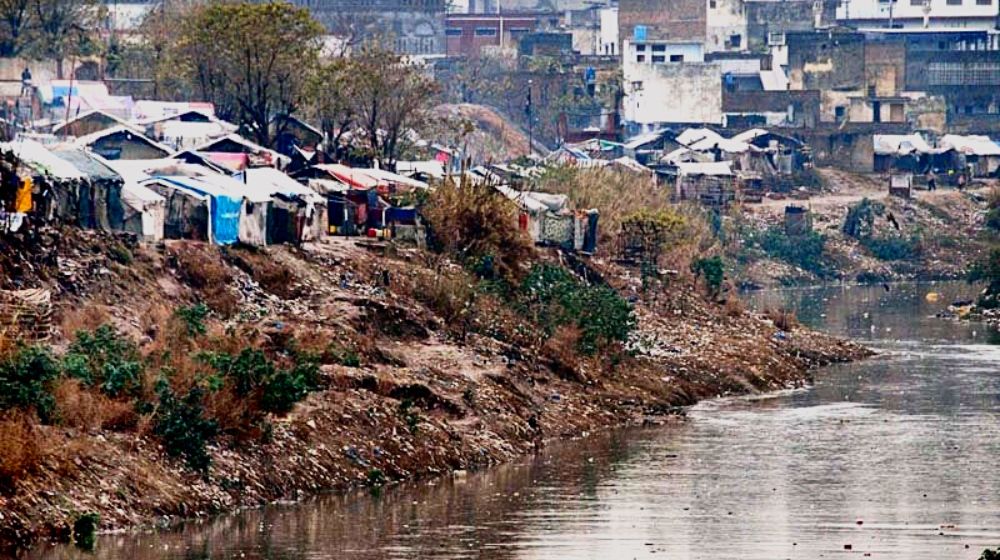
The project aims to divert drainage water through protected trenches instead of open sewers and create a traffic route along the banks of Nullah Leh, which causes severe pollution and monsoon flood disasters in Rawalpindi.
The project was officially launched in 2006-7 but was scrapped by governments formed after 2008. It was reinitiated in the previous regime, and section 4 notification was issued for land acquisition.
The World Health Organization (WHO) has declared the open sewage of Nullah Leh as the primary source of underground and air pollution in Rawalpindi, which flows through approximately 50 small channels from the city and cantonment and falls into the nullah.
The project aims to transport sewage safely through large trenches to the river Swan and then to the sewage treatment plant at Gorakhpur to prepare fertilizer from sewage and provide water for irrigation.
The delayed implementation of the Nullah Leh Expressway and Flood Channel project has caused financial losses and casualties due to floods in the past.
The project’s completion could improve the quality of life for people in Rawalpindi by reducing pollution and flooding disasters while providing an alternative traffic route.