RAWALPINDI: The much-anticipated Kacheri Chowk Remodeling project, hailed as Pakistan’s first double underpass initiative, has officially been terminated due to various challenges.
Key reasons behind the decision include the project’s substantial estimated cost and the unavailability of land required for double underpasses and overhead bridges.
This ambitious undertaking faced significant roadblocks, particularly because it was situated in a sensitive area of the garrison city, close to important military installations and residences of retired army generals, leading to clearance issues.
Additionally, opposition from the Rawalpindi District Bar Association and reluctance from various government institutions and property owners to surrender their land for the project contributed to its termination.
The estimated project cost reached approximately Rs. 6.4 billion, and although it was originally scheduled to launch in March, technical difficulties and delays eventually led to its formal termination.
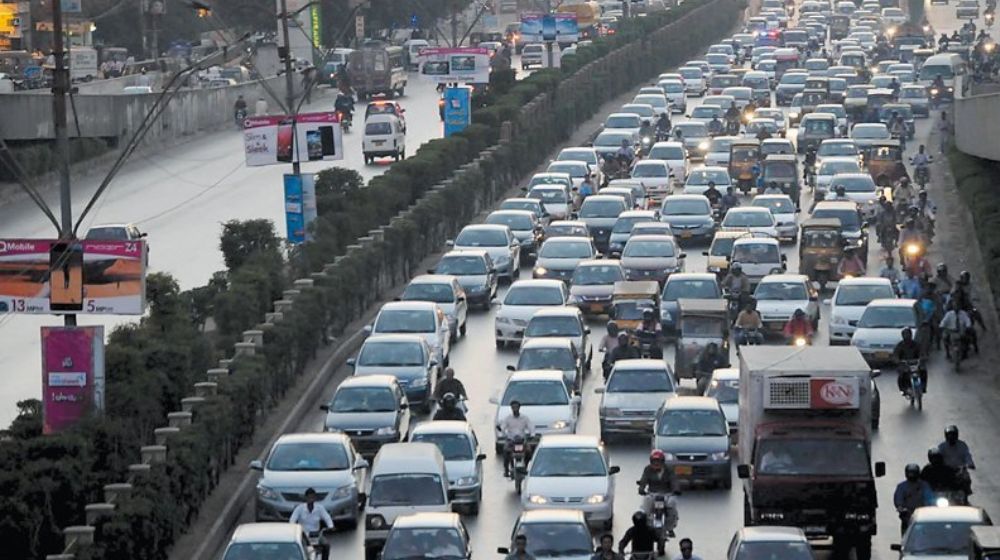
As a response to this setback, a new plan has been initiated, focusing on expanding roads to alleviate traffic congestion.
Several key roads, including Jhelum Road, Mall Road, Governor House Road, Rashid Minhas Road, Commissioner Office Road, and Adiala-Kacheri Service Road, will undergo extensive widening.
This plan involves reducing median dividers, eliminating encroachments, and enforcing a strict ban on parking.
The Rawalpindi Development Authority (RDA) was responsible for the now-terminated project, which was intended to be completed in two years.
The original design featured two overhead bridges from Jhelum Road to Mall Road, providing a solution to the area’s traffic woes.
While the Ketchehry Chowk Remodeling project may have come to an end, the road extension project is set to commence later this year.
Additionally, a beautification proposal for Kacheri Chowk has been created by the Parks and Horticulture Authority (PHA) and Cantonment Board.
This proposal includes the planting of flowering plants, fruit trees, and shade plants around the intersection, the construction of cultural and defense monuments at intersections, and the installation of a digital traffic signal.
Source: Tribune