By Suha Sarwar
It started on a random Sunday morning. While sitting at the breakfast table with my parents and my elder sisters, I decided to do the unthinkable; tell my family I wanted to study “history,” breaking the family’s long-standing tradition of going to medical school.
To put things into perspective for you, my naniyal and dadiyal come from a generation of doctors, belonging to possibly every field available. Both my parents are doctors, and both my sisters are in medical school. So you can imagine my statement was not met with a lot of enthusiasm.
There was silence across the table. My sisters were staring at me in shock, my mum bore a confused expression and was fidgeting with the piece of toast on her plate, and my father chose to completely ignore what I had blurted out as he continued reading the news on his iPad.
I looked around and decided to repeat it, but before I could utter a word, my father sternly asked, “and how exactly do you plan to?” his eyes still fixed on the screen. Ok, I thought to myself, this is good, at least he’s asking.
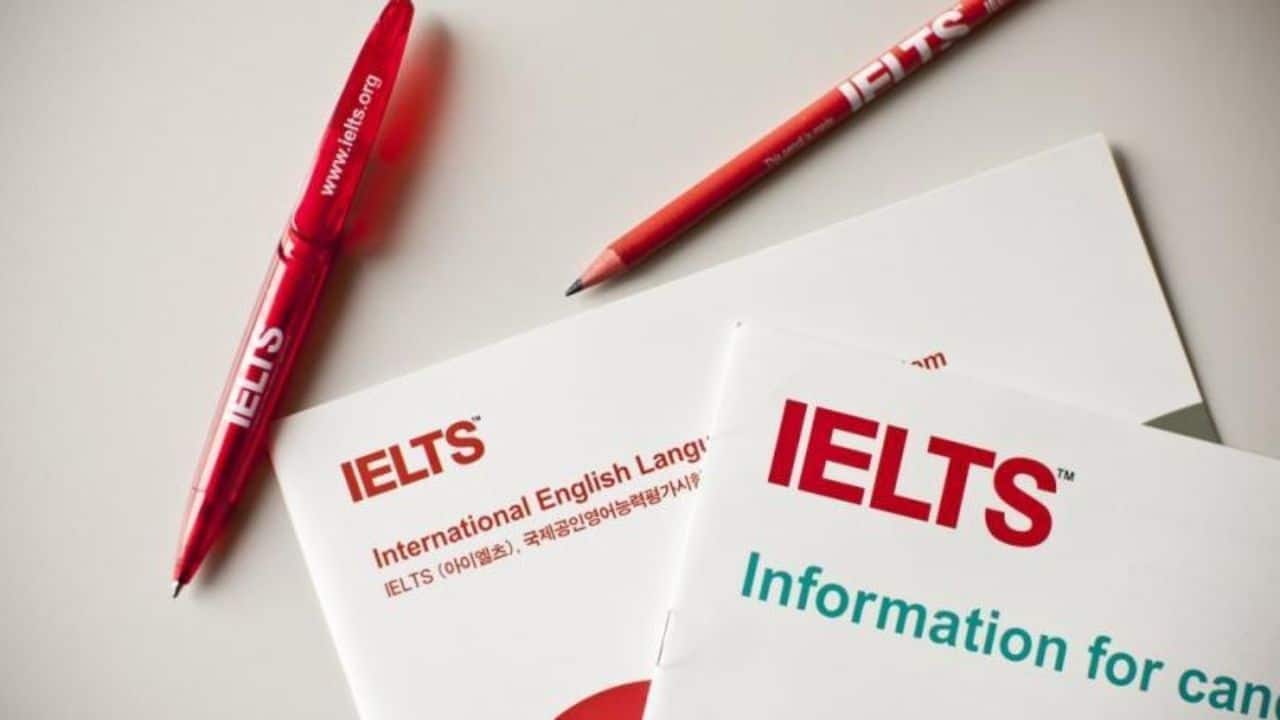
I cleared my throat, sat up straight, and said, “there is a program at King’s College in London, I know I can get in. I have the grades. I have spoken to friends and they’ve all said I need to pass the IELTS test before I apply”. My father finally looked up and passed me his iPad.
He had the British Council’s website opened on it. I looked at the screen and then looked back up at him.
He smiled and said, “Found the link on Google. Historian in the family… wow! Give the iPad back when you’re done”.
“Baba, you’re ok with this?” I asked.
“Of course,” he said with a smile.
With this, he got up and left the room.
My sisters, still confused about what just happened (our Baba being so calm about the whole thing), finally spoke.
One said, “How will you give your IELTS? You write like a doctor even if you don’t want to become one!” and the other chimed in with, “You want to go to London? Why not America, we have no family in the UK”.
Though the latter didn’t worry me, I was worried about the handwriting bit. It’s true; my penmanship is not something I am proud of. I write really slow, and often if I try to write fast, the words end up looking like I’ve just scribbled lines on a page.
“Stop being so rude girls, she’ll figure it out,” said my mum as she started clearing the table.
I finally got time to go through the website after everyone had left the dining table. And that’s when I noticed that British Council offered the option of taking IELTS on a computer.
“THANK GOD!” I exclaimed out loud.
And there’s more, I could check available test dates, receive free prep resources, get paid online IELTS coaching, and they even provide headphones for the listening section so you can concentrate.
This. Was. Perfect!
All that was left to do now was to take the first step.
Why IELTS?
Just in case if you don’t know why I needed to give my IELTS, let me explain.
IELTS is the only English Language proficiency test that is widely accepted for immigration and academic purposes. For the King’s College BA in History & International Relations program, you need specific scores or higher in each of the sections.
The details are available on their website and it is always better to check prior to starting your preparations because the requirements can vary per program or even differ at the time of application. You can check the requirements for your preferred program here.
British Council has a good reputation in the English Language and is very trustworthy for IELTS. Since they offer the option of taking the test on paper or a computer, it makes it considerably easy for the candidate to choose the option that’s best suited for them.
How did I start the preps?
The British Council offers free online resources to help you prepare for the test. Road to IELTS enables you to understand each section and track your progress.
Even though I would say I have a considerably good grip on the English Language, I still had to practice a lot and improve my vocabulary, grammar, sentence structuring, composition, and paraphrasing. I signed up for the 12-week Understanding IELTS Expert Track course and the weekly free webinars.
I also took the free mock test to experience a version of the test before I sit for the actual one. This is a good way to gauge just how ready one is. There is a lot of helpful information on the website and phone application aside from the ones I have hyperlinked here for your ease.
Aside from this, I practiced typing. I wanted to work on improving my typing speed. Sometimes I would have my sister read out a paragraph from a novel aloud, and I’d type to match her reading speed.
The Test
On the day of my test, I was pretty nervous. I knew I had prepared enough, but I still wasn’t sure. The venue was really nice. State of the art and perfect in every way. The examiners and staff were friendly and helped me settle in. COVID SOPs were strictly followed. All I had to do now was focus and give my best.
The Result
I scored 8 overall in the IELTS test score. To be honest, I think I let my nervousness get to me a bit too much, but because I had a good study plan and had paced out my practice sessions, I honestly should not have been worried at all.
Now that my IELTS is out of the way, I need to focus on getting all the other things sorted. Starting with the equivalency for my A-Levels. I also need to find out the details for the dorm or co-share apartments.
I heard a rumor that students can’t work in London, so also have to find out if that’s true. I am about to take a counselor on board to help me further. But overall, I would say I am finally more excited than nervous. I am standing at the brink of a big adventure, and I cannot wait to get started.
Stay Connected with ProPakistani
Get the latest news and stories wherever you prefer.
Add ProPakistani to Preferred Sources and see more of our stories in Google Search and Top Stories.













rich people telling thier rich story