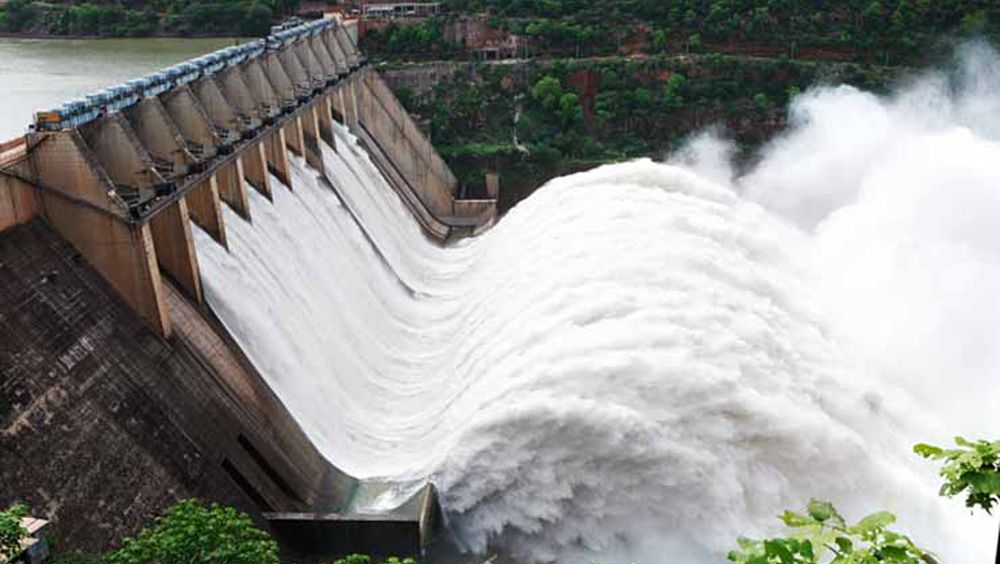
India has ramped up the pace of construction on the controversial 850MW Ratle Hydropower project and has made 330MW Kishenganaga project operational. India has increased the pace of work on both projects, built on Pakistani rivers, with objectionable designs during the last five years.
The World Bank had stopped separate processes initiated by India and Pakistan under the Indus Waters Treaty on December 12, 2016. The decision was taken to allow the neighboring countries to consider alternative ways to settle the dispute on both projects.
Pakistan had moved the World Bank (WB) first, in a bid to resolve the dispute over the Kishanganga Project. It had asked the court of arbitration to look into the project on the river Jhelum and the under-construction Ratle Hydropower project on river Chenab. Later, India asked the WB to appoint neutral experts so Pakistan’s concerns on the designs of both the projects can be allayed.
However, the WB on December 12, 2016, halted the process to move for the mechanism to resolve Pakistan’s objections to save the Indus Water Treaty that it had brokered in 1960.
According to the World Bank, the process was halted as there was a risk of contradictory outcomes on the requests made by both countries that could have endangered the Treaty.
A report in The News, quoting sources in the Water Resources ministry and Pakistan Commission of Indus Water, India took advantage of the pause taken by WB and accelerated pace on both projects. During this time, India also submitted the final design of the Ratle project to the United Nations without addressing Pakistan’s concerns for qualifying the carbon credits.
Pakistan had written a letter to the WB in 2018 pointing out that the pause taken by the Bank has given time to India to complete the Kishanganga project.
Pakistan fears that the completion of the Ratle project will result in a 40 percent reduction in water flows destined to reach Marala Headworks (Sialkot). The completion of the project will effectively destroy agriculture in Punjab, which is the food basket of Pakistan.
Stay Connected with ProPakistani
Get the latest news and stories wherever you prefer.
Add ProPakistani to Preferred Sources and see more of our stories in Google Search and Top Stories.












