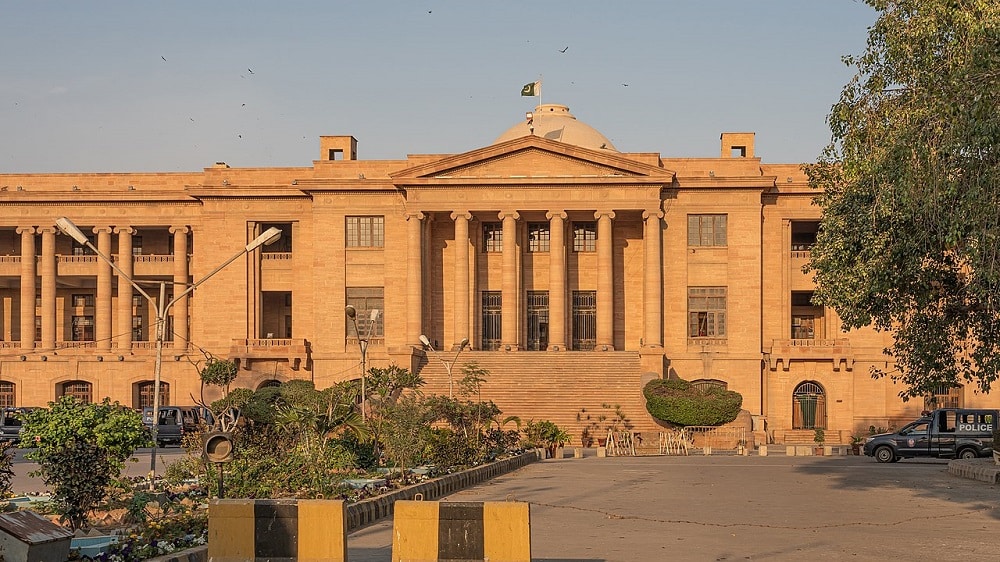
Sindh High Court (SHC) on Friday dismissed petitions filed against the imposition of tax on immovable properties on a “deemed income basis” under Section 7E of the Income Tax Ordinance 2001.
The court has dismissed petitions through a short order and the reasons will be recorded later on by the court through a detailed judgment.
The petitioners had questioned the constitutionality of Section 7E, the tax on deemed income of the Income Tax Ordinance 2001, inserted through the Finance Act 2022 on the premise of legislative incompetence of the Parliament to enact law outside the scope of Entry 50 of the Federal Legislative List, Fourth Schedule of the 1973 Constitution.
The federal government levied income tax on deemed income through section 7E of the Income Tax Ordinance 2001.
A large number of legal counsels had challenged this legislation mainly on the following grounds at the SHC
- There are no underlined transactions of purchase, sales, receipt, or receivable where any amount/income is generated and therefore the tax is merely levied on fiction through a deeming provision.
- The tax is levied on immovable property and the tax on immovable property in terms of Entry 50 of the Federal legislative list is falling under the domain of the provincial government.
- The tax is levied through colourful legislation and therefore being discriminatory is hit by Article 25 of the Constitution.
- The event of tax is based on the irrational fiction of income where the tax is required to be calculated and paid on an incidence where in actuality no income can be generated for instance in the case of an open plot or an area where even construction is not allowed. This tax therefore cannot pass the test of reasonable restriction and is therefore hit by Articles 23 and 24 of the Constitution.
Stay Connected with ProPakistani
Get the latest business news, market insights, and economic updates wherever you prefer.
Add ProPakistani to Preferred Sources and see more of our stories in Google Search and Top Stories.












