
Dashboard warning lights serve as the communication system between you and your car, alerting you when something needs attention. These lights briefly illuminate when you start your vehicle, confirming that all systems are functioning properly. However, when a light stays on, it indicates that there might be an issue requiring your attention.
Understanding these lights is crucial, as ignoring them can lead to more serious problems and potentially unsafe driving conditions. While some warnings are minor, others demand immediate action to prevent costly repairs or accidents.
Here’s a detailed breakdown of common warning lights, what they signify, and what actions you should take if they appear.
Check Engine Light

The Check Engine Light (CEL) is often considered the most dreaded warning light. It signifies a problem with the engine or emissions system, ranging from minor issues like a loose gas cap to more serious concerns like engine misfires or sensor failures.
What to Do:
- Check if the gas cap is loose or damaged and tighten it if necessary.
- Use an OBD-II scanner to retrieve diagnostic trouble codes (DTCs) or visit a mechanic for a diagnostic test.
- If the light is flashing, it indicates a serious problem. Pull over immediately, turn off the engine, and call for assistance.
Danger Level: High—Ignoring this light can lead to severe engine damage, reduced fuel efficiency, or increased emissions.
Battery Warning Light

This light, shaped like a car battery, signals an issue with the vehicle’s charging system. It could indicate a failing alternator, loose connections, or an aging battery.
What to Do:
- Check the battery terminals for corrosion or loose connections.
- Inspect the alternator belt for damage.
- If the light remains on, have the electrical system inspected by a professional.
Danger Level: High—A dead battery or failing alternator can leave you stranded.
Coolant Temperature Warning Light

This light indicates the engine is overheating. Possible causes include low coolant levels, a broken water pump, or a malfunctioning thermostat.
What to Do:
- Pull over immediately to avoid engine damage.
- Allow the engine to cool before checking the coolant level. Refill if needed.
- Inspect for leaks or other issues in the cooling system.
Danger Level: Extremely High—Driving an overheating engine can cause catastrophic damage.
Transmission Temperature Warning Light

This light warns that the transmission is overheating. Causes might include low transmission fluid, heavy towing, or internal transmission damage.
What to Do:
- Stop driving and let the car cool down.
- Check the transmission fluid level and condition. If it’s low or burnt, refill or replace it.
- Seek professional help if the issue persists.
Danger Level: High—Overheating can lead to transmission failure.
Oil Pressure Warning Light
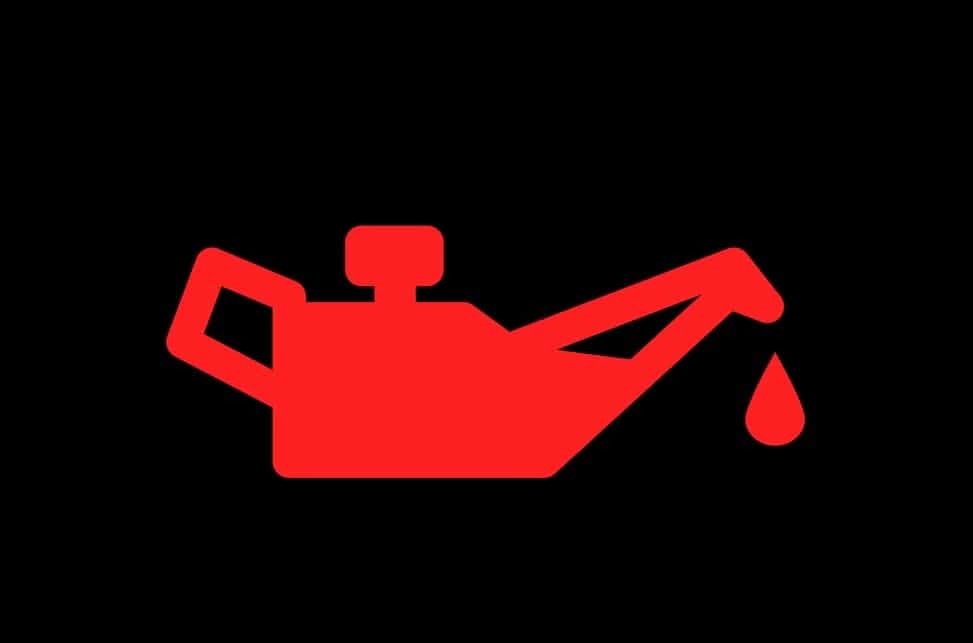
This light indicates low oil pressure. Causes include low oil levels, leaks, or a failing oil pump.
What to Do:
- Turn off the engine immediately to prevent damage.
- Check the oil level using the dipstick and top up if necessary.
- If the light stays on, consult a mechanic promptly.
Danger Level: Extremely High—Driving with low oil pressure can cause engine failure.
Tire Pressure Monitoring System (TPMS) Light

This light looks like a flat tire with an exclamation mark, signaling low tire pressure.
What to Do:
- Use a tire pressure gauge to check all tires and inflate them to the recommended level.
- Inspect for punctures or leaks and repair if necessary.
- If the light persists, the TPMS sensor might be faulty.
Danger Level: Moderate—Improper tire pressure affects handling, fuel efficiency, and safety.
Brake System Warning Light
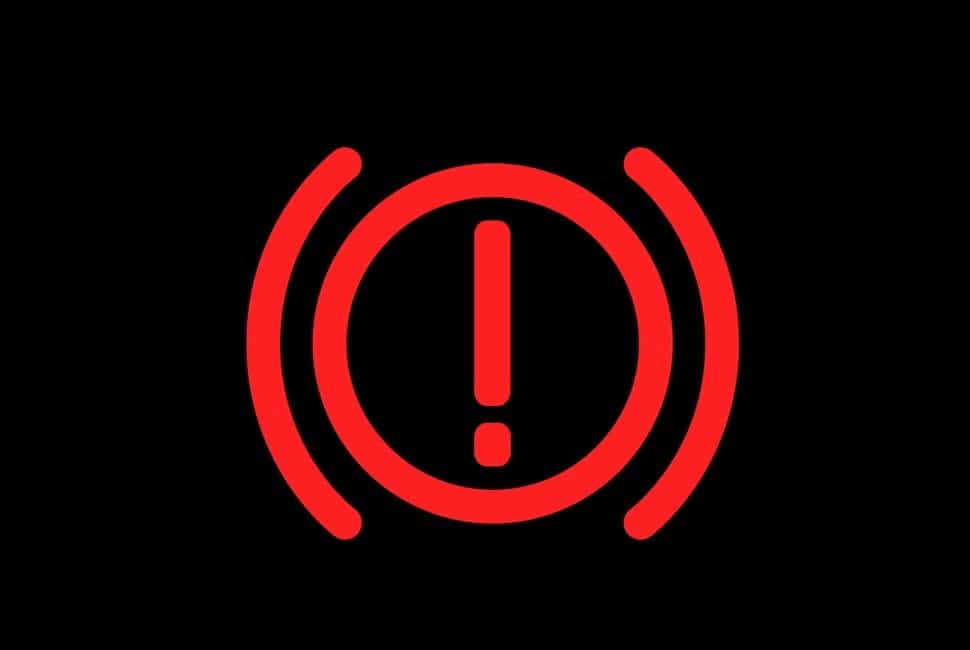
Often represented as an exclamation mark within a circle, this light warns of issues with the braking system, such as low brake fluid, worn pads, or a parking brake left engaged.
What to Do:
- Check the brake fluid level and refill if needed.
- Inspect the brake pads and rotors for wear.
- If the light remains on, have the braking system inspected immediately.
Danger Level: Extremely High—Faulty brakes can lead to accidents.
ABS Sensor Warning Light

This light indicates a malfunction in the Anti-lock Braking System (ABS). Common causes include faulty wheel speed sensors or wiring issues.
What to Do:
- The car can still brake normally, but the ABS won’t function.
- Drive cautiously and have the system inspected.
Danger Level: Moderate—Reduced braking control in emergencies can be hazardous.
Traction Control or Stability Control Light

Depicted as a car with squiggly lines, this light indicates the activation or malfunction of the traction or stability control system.
What to Do:
- If blinking, the system is working to maintain traction. No action is needed.
- If constantly illuminated, have the system inspected for faults, such as a wheel speed sensor issue.
Danger Level: Low to Moderate—Driving without stability control can be risky on slippery roads.
Airbag Warning Light
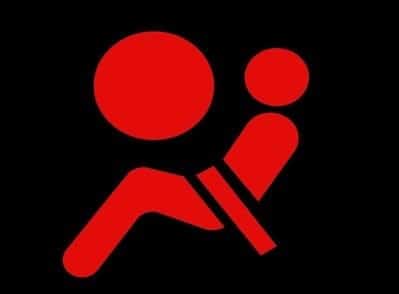
This light indicates a problem with the airbag system, which could prevent airbags from deploying in an accident.
What to Do:
- Have the system inspected immediately.
Danger Level: High—Airbags are critical for passenger safety in collisions.
Lamp Out Warning Light
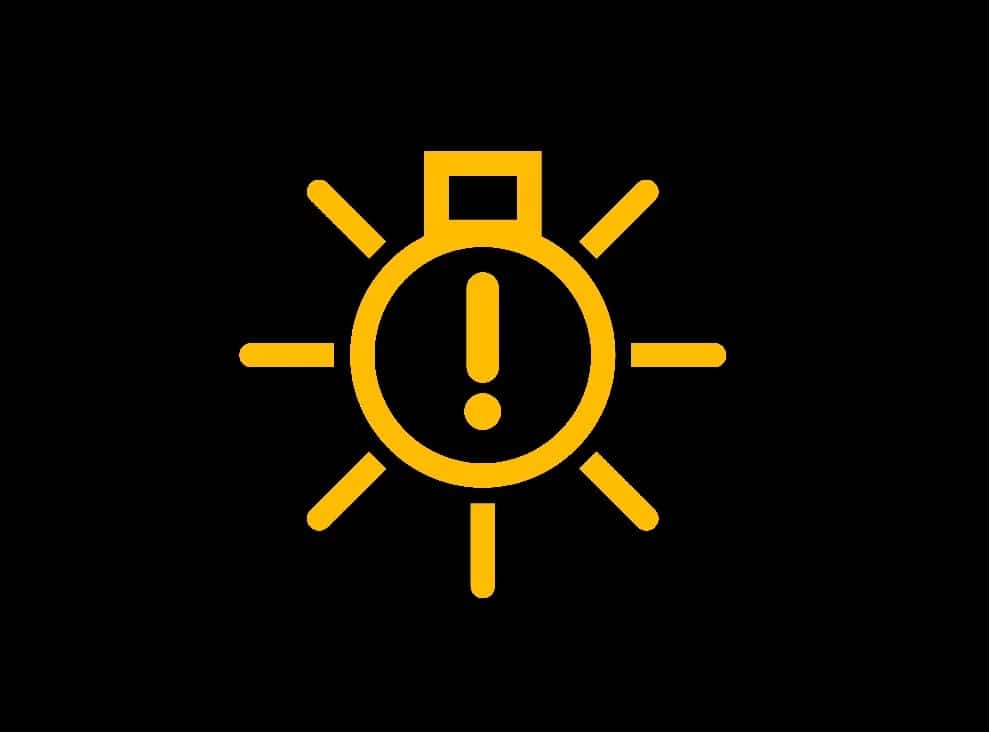
Depicted as a sun-like icon, this light alerts you to a burnt-out bulb in the vehicle’s lighting system.
What to Do:
- Check all exterior lights and replace any that are not functioning.
Danger Level: Low—However, faulty lights can reduce visibility and lead to fines.
Washer Fluid, Door Open, Low Fuel Warning Lights
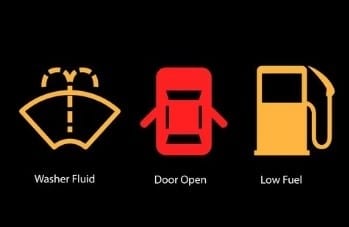
These lights indicate minor issues:
- Washer Fluid: Low windshield washer fluid.
- Door Open: A door isn’t securely closed.
- Low Fuel: Fuel level is critically low.
What to Do:
- Refill washer fluid, close all doors, or refuel as needed.
Danger Level: Low—Ignoring these warnings can cause inconvenience.
Dashboard warning lights are your car’s way of communicating potential issues. Understanding these lights and responding appropriately can save you from costly repairs and ensure your safety. Always refer to your vehicle’s manual for specific guidance and consult a professional mechanic if needed. Prioritizing these warnings can help maintain your vehicle’s health and provide a safe driving experience.
Stay Connected with ProPakistani
Get the latest automobile news, car launches, bike reviews, videos and analysis wherever you prefer.
Add ProPakistani to Preferred Sources and see more of our stories in Google Search and Top Stories.













Too much informative article.
Very good information.