
A growing obesity crisis is taking a serious toll on public health in Pakistan, leading to premature deaths in men, rising infertility among women, and chronic diseases in children, health experts cautioned during a public awareness event on Monday.
Describing obesity as the “root cause of most non-communicable diseases,” they warned that the situation is worsening rapidly. Over 80% of adults in the country are living with unhealthy waistlines and face an increased risk of obesity-related illnesses.
Experts highlighted that obesity is quietly triggering a national health emergency, resulting in early mortality, reproductive challenges, and long-term health issues for future generations.
Speaking at a screening and awareness camp hosted by the Karachi Press Club’s Health Committee in collaboration with Getz Pharma, Dr. Asma Ahmed, an endocrinologist at Aga Khan University Hospital, cited alarming statistics: around 35% of women and 28% of children in Pakistan are obese, and more than four out of five adults have abdominal obesity.
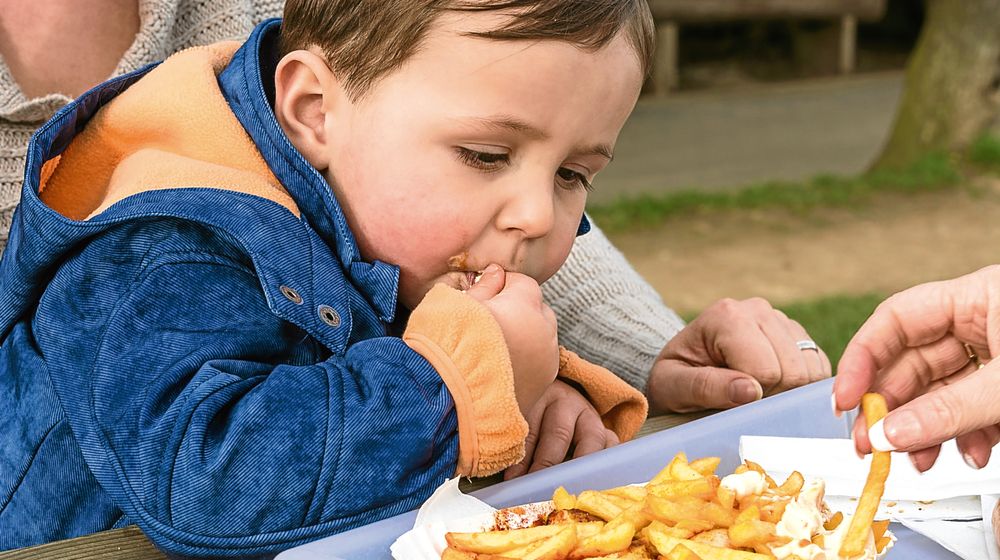
She emphasized the need to recognize obesity as a medical condition, not just a lifestyle choice, because it is directly linked to high blood pressure, diabetes, fertility problems, and damage to organs. Dr. Asma pointed to the growing trend of physical inactivity in children, driven by excessive screen time, fast food consumption, and late-night routines, which is fueling early-onset obesity.
“Our children are facing a dual burden of being overweight and undernourished,” she said. She also noted that many individuals remain unaware of their high blood pressure, which, when left untreated and combined with obesity, can severely impact the kidneys, heart, and brain.
She warned that rising infertility in women is frequently tied to weight gain and hormonal imbalances, and urged families to prioritize home-cooked meals and reduce their reliance on processed and packaged foods.
“Lifestyle habits like staying up late, avoiding exercise, and consuming junk food are driving us toward a health crisis,” she added.
Dr. Nazish Butt, head of Gastroenterology and Hepatology at Jinnah Postgraduate Medical Centre (JPMC), reinforced the message by stating that obesity must be treated as a serious illness that contributes to conditions such as diabetes, high cholesterol, cardiovascular disease, and stroke.
“In cities like Karachi, the trend of rising obesity among women and children is deeply concerning,” she said. “People are no longer physically active, and the widespread use of frozen and junk food is worsening the problem.”
She called for urgent community-level efforts to promote healthy living and encourage people to incorporate movement into their daily routines.
The camp at the Karachi Press Club offered free health screenings and consultations for journalists and their families. Attendees included KPC Joint Secretary Muhammad Munsif, Health Committee Secretary Hamid-ur-Rehman, and representatives from Getz Pharma, including Mikail Soomro, Agha Sadiq, Dr. Wajiha Javed, and Kashif Amin, Head of Public Health.
Dr. Wajiha Javed, a public health specialist at Getz Pharma, shared findings from the Pak Sehat demographic survey—South Asia’s first mini Framingham study and biobank—which revealed that over 80% of women and 70% of men in Pakistan are obese. She also noted that about half of the adult population has high blood pressure, and one in three lives with diabetes.
To address the widespread lack of awareness and treatment, she introduced a three-year nationwide program called PREACH, launched by Getz Pharma. The initiative focuses on community health worker-led screenings, public education, and structured referrals to qualified healthcare providers.
Dr. Wajiha also highlighted new medical treatments such as semaglutide and tirzepatide, now available in Pakistan, which can support weight management for individuals with a BMI over 30—or over 27 if accompanied by conditions like diabetes or hypertension.
Under the Med One initiative, Getz Pharma aims to collaborate with healthcare professionals to enhance public awareness and promote regular health screenings.
Stay Connected with ProPakistani
Get the latest news and stories wherever you prefer.
Add ProPakistani to Preferred Sources and see more of our stories in Google Search and Top Stories.













70% men and 80% women are obese 🤯