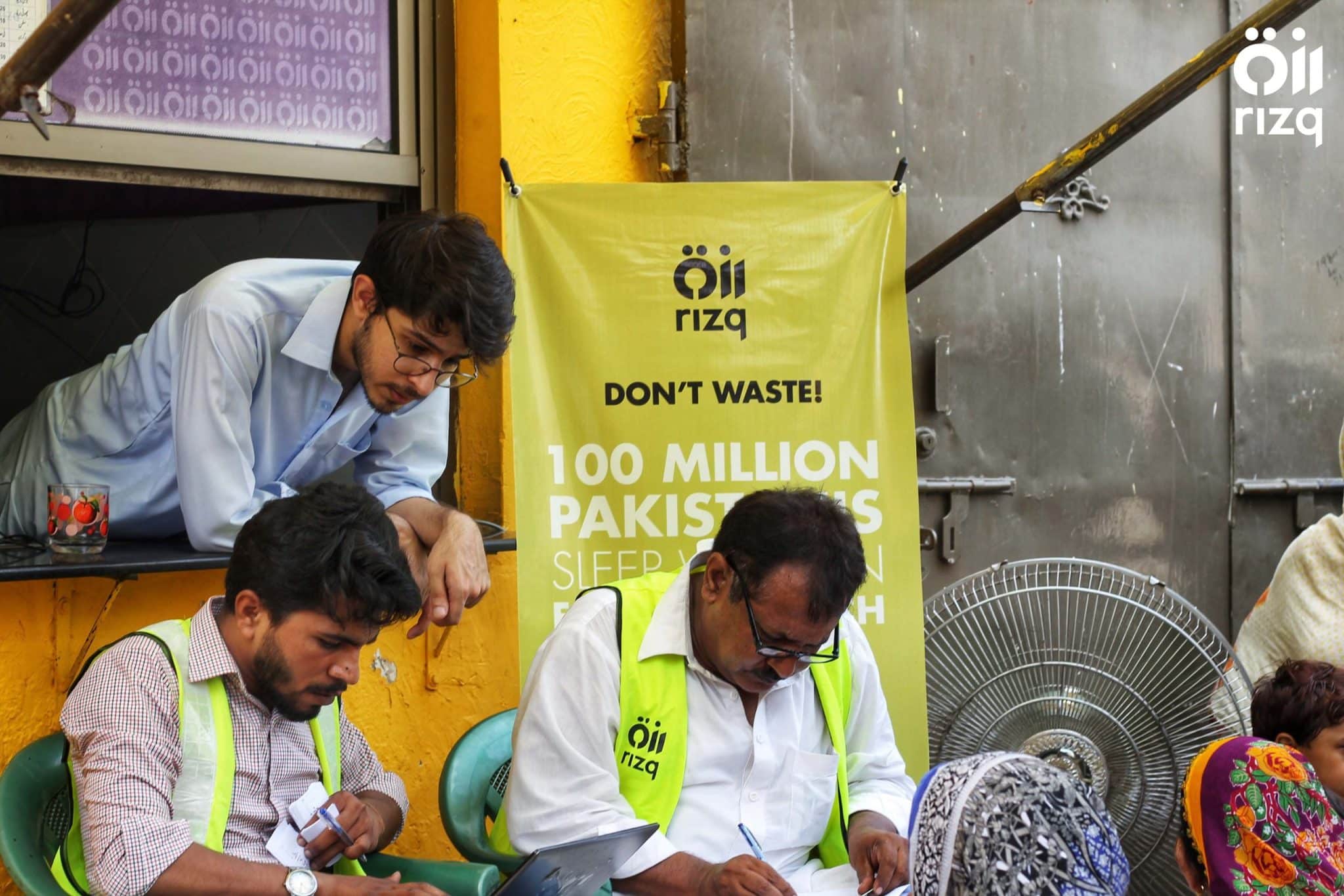
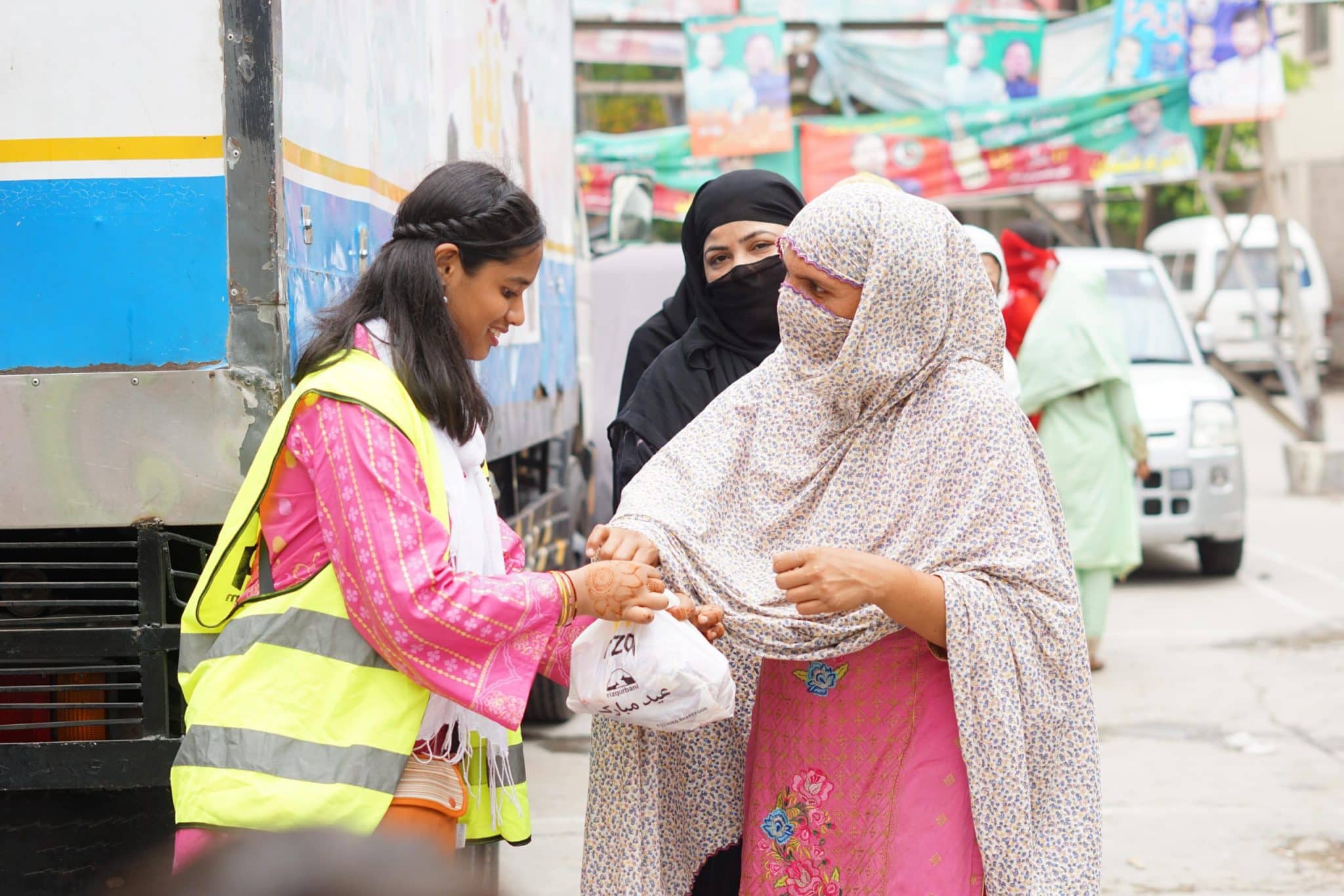
What began in 2015 as a small, youth‑led initiative in Lahore has today become a major force shaping food justice and social business in Pakistan. Rizq, the social enterprise founded by three LUMS alumni, recently hit a milestone by taking Pakistan’s first delegation to Yunus Centre’s Social Business Day in Dhaka (June 25–29, 2025), joining leading social business innovators from over 40 countries.
Rizq launched a decade ago with a noble mission: fight hunger and food waste through dignity, empowerment, and systemic change. Lending its roots to over 30 years of soup‑kitchen legacy, the organization quickly turned to urban nutrition and food rescue. In the COVID‑19 crisis, Rizq scaled up dramatically, delivering more than 2.2 million meals across 23 cities, mobilizing over 6,000 youth volunteers, and rescuing tons of surplus food. The initiative earned recognition such as the Commonwealth Points of Light Award.
At the heart of Rizq’s sustainable innovation is Rizq Khana, a social business initiative created to tackle urban food insecurity and unemployment simultaneously. Through a network of mobile food carts and mega‑kitchens, Rizq Khana delivers standardized, nutritious meals, typically daal‑chawal, for just Rs. 60. This price point allows users to access food with dignity, supports operational costs, and creates opportunities for micro‑entrepreneurship among local youth.
Menu preparation takes place daily in Rizq’s own hygienic kitchens, ensuring quality and scale. The meal carts are placed near hospitals, public squares, and transit hubs to serve daily-wage earners, patient companions, and other vulnerable communities efficiently.
Alongside Rizq Khana, other programs include:
Rizq champions the social business model popularized by Nobel Laureate Dr. Muhammad Yunus: organizations that aim to solve social problems while remaining financially sustainable. Investors recover their initial capital but accept no profits; any surplus revenue is reinvested into expansion and growth. Rizq operates with this ethos across initiatives, providing an alternative to grant and donation‑reliant structures typical in Pakistan’s development sector, which are often not sustainable in the long run.
With economic instability, inflation, and policy shifts constraining charitable giving, Rizq’s model offers resilience and scalability. It tackles systemic problems like hunger, unemployment, and food waste, not through charity, but through self‑sustaining enterprise.
At Social Business Day in late June 2025, Pakistan’s first official delegation underlined Rizq’s pioneering role. There, its leaders presented Pakistan’s nascent ecosystem, networked with global social business actors, and engaged directly with Dr. Yunus and other influencers.
Rizq’s presence garnered attention for Pakistan’s need to adopt social business as a core development strategy, bridging innovation, technology, and social purpose in a country still lagging behind its peers.
Get the latest business news, market insights, and economic updates wherever you prefer.
Add ProPakistani to Preferred Sources and see more of our stories in Google Search and Top Stories.