
Primate Labs has released Geekbench 7 with updated workloads for gaming, photo editing, image processing, and machine learning to improve performance testing for smartphones and other devices.
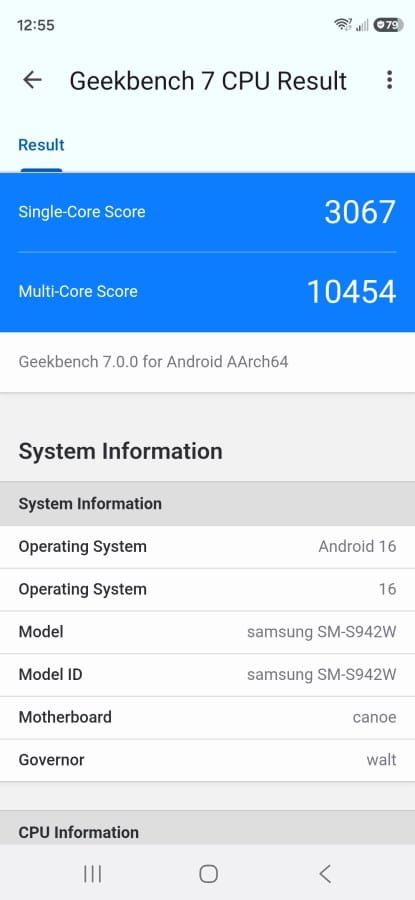
The latest version also changes how multi-core performance is measured to produce scores that better represent real-world usage.
New Game Physics Test
Geekbench 7 introduces a Game Physics workload powered by the Jolt Physics engine.
The new test measures how a device handles physics calculations commonly used in games.
Improved Photo Editing Workloads
The Photo Editor workload now includes a wider range of real-world image-editing tasks.
Geekbench 7 also updates the Photo Library workload with support for importing and processing JPEG XL and DNG image formats.
More Realistic Multi-Core Testing
Geekbench 7 only runs a workload as a multi-core test when the real-world task normally uses multiple CPU cores.
Primate Labs says this approach will prevent scores from being artificially inflated by forcing tasks to use multiple cores when they would not normally do so.
As part of this change, the HTML5 browser workload is no longer included in multi-core testing.
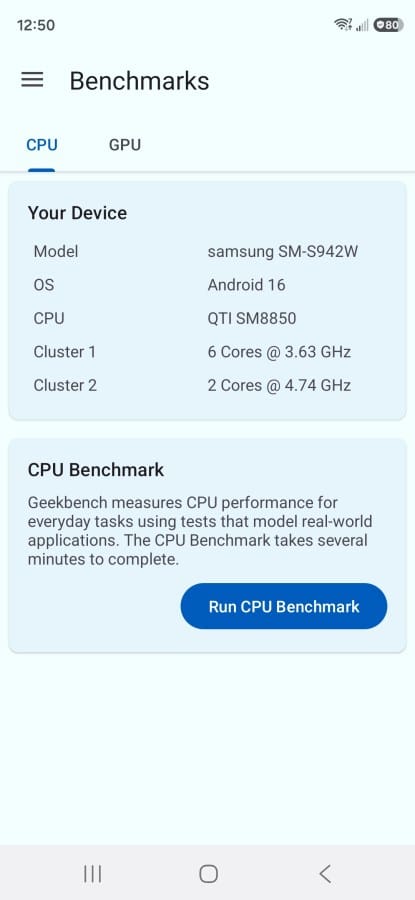
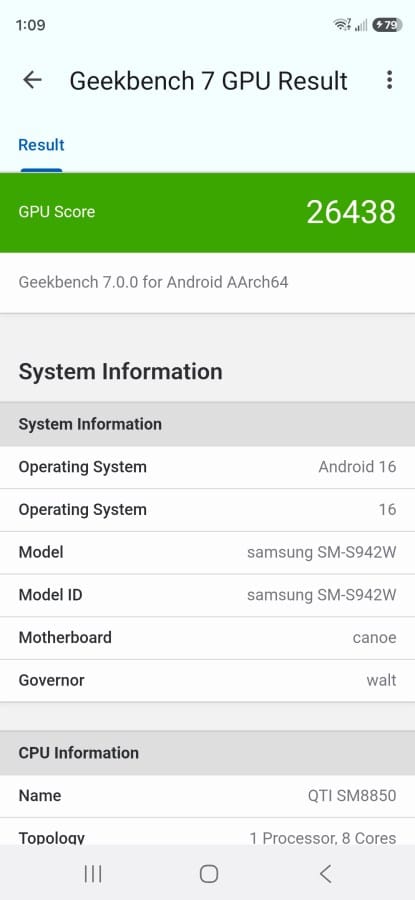
Updated GPU Testing
Geekbench 7 changes the focus of its GPU benchmarks from traditional 3D graphics rendering to content creation and machine learning workloads.
The GPU tests include tasks such as processing face filters used in social media applications, upscaling images with machine learning, and creating virtual background effects for video-conferencing applications.
Geekbench 7 remains free for personal use.
It is available on Android, iOS, Windows, macOS, and Linux.
Stay Connected with ProPakistani
Get the latest tech news, telecom insights, and product launches wherever you prefer.
Add ProPakistani to Preferred Sources and see more of our stories in Google Search and Top Stories.












