There is nothing modern about a financial system that still treats ethics as optional. Across the global banking industry, a quiet but decisive shift is underway. For decades, financial institutions measured success through expansion, profitability and scale. Today, that model is being reassessed. Climate volatility, widening economic inequality and repeated governance failures have exposed the cost of pursuing growth without responsibility. What was once considered acceptable risk has now become systemic vulnerability.
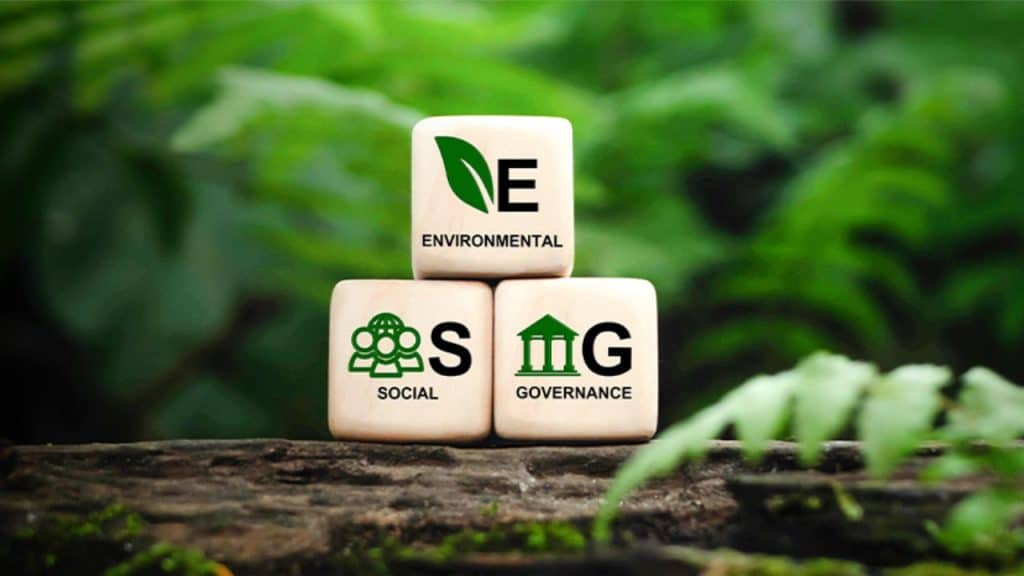
Banking is now being asked to answer a different question. Not just how efficiently it moves capital but rather how responsibly it does so. This is where ethical banking and ESG – environmental, social and governance standards – have begun to reshape the conversation. At their best, these frameworks are not public relations instruments or compliance exercises. They are mechanisms that force institutions to examine how decisions are made, how risks are managed and how value is distributed across society.
For banks, this shift is not without trade-offs. Embedding accountability into lending, governance and customer protection can slow decision-making and, at times, constrain short-term profitability. But the alternative—prioritizing speed and scale without sufficient safeguards—has repeatedly proven to be far more costly. Responsible banking is not the easier path, but it is the more durable and sustainable one.
For Pakistan, this conversation carries particular urgency. The country’s financial system has expanded rapidly over the past decade. According to the State Bank of Pakistan, more than 211 million bank accounts now exist across the country. Yet, fewer than half remain active within a typical 30-day period. Many customers still approach formal banking with caution. Digital platforms may be expanding, but confidence in systems has not grown at the same pace. The hesitation is often misunderstood as resistance to technology. In reality, it reflects a deeper issue. For many individuals and small businesses, financial mistakes carry real consequences. A failed transaction, an unresolved dispute, or an opaque fee structure can quickly erode confidence in the entire system. Access to banking is increasing, but trust is still uneven.
That trust cannot be built through technology alone. It must be supported by transparent governance, consistent regulation and institutions willing to accept responsibility for the systems they create. This is why ESG has become central to the future of banking. Not because it satisfies global reporting frameworks, but because it offers a structured way to align financial growth with long term stability. Environmental stewardship, responsible lending, fair treatment of customers and clear governance standards are no longer peripheral concerns. They are increasingly becoming indicators of institutional resilience.
Pakistan’s corporate sector has begun to recognize this shift, though progress remains sporadic. Surveys suggest that nearly seventy percent of companies report some form of ESG planning underway. Yet, far fewer have formal strategies, measurable targets, or systems that track performance. The gap between intention and implementation remains significant.
Closing that gap will require more than policy announcements. It will require institutions to embed accountability into everyday operations. Lending decisions must consider environmental impact alongside financial viability. Corporate governance must prioritize transparency rather than convenience. Digital innovation must be designed around user protection, not just efficiency. And regulators have an equally important role. Pakistan’s financial regulators have taken notable steps in strengthening governance frameworks, digital banking oversight and consumer protection. Continued progress in these areas will be essential as financial services become increasingly technology driven.
Over the next decade, the competitive landscape in Pakistan’s banking sector is likely to be defined not only by balance sheet strength or digital capability, but by the ability to institutionalize trust. ESG-linked lending frameworks will become more common, customer protection standards will tighten, and regulators will increasingly expect measurable accountability rather than stated intent. In this environment, trust will evolve from a reputational asset into a core performance indicator.
Ultimately, the credibility of a financial system is not determined by the scale of its technology or the volume of its transactions. It rests on something far more fundamental – the confidence people place in it. The institutions that recognize this shift early and act on it decisively will shape the next phase of Pakistan’s financial sector. Those that continue to treat responsibility as secondary to growth may find that in a more transparent and demanding environment, trust once lost, is far more difficult to rebuild than it was to earn.
Disclaimer: The views and opinions expressed in this article are those of the author and do not necessarily reflect the official policy or position of ProPakistani. The content is provided for informational purposes only and is not intended as professional advice. ProPakistani does not endorse any products, services, or opinions mentioned in the article.