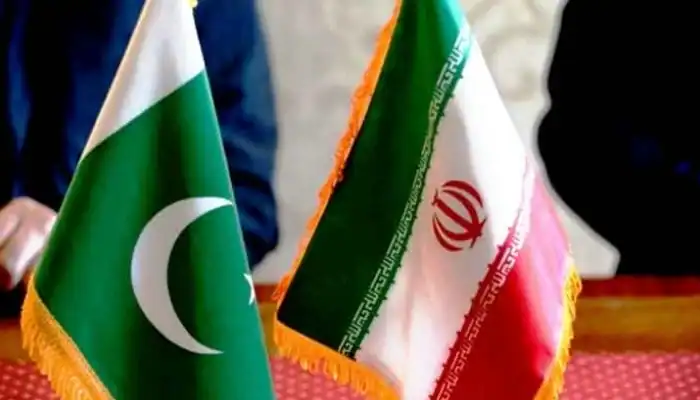
Pakistan’s Petroleum Minister has confirmed that, following the recent visit of the Iranian President, sector-specific working groups have been established to advance bilateral cooperation across multiple sectors, including energy.
According to the minister, these committees are actively deliberating on their respective mandates, and “good news” is expected soon, suggesting that discussions have entered an advanced technical stage.
What Could the “Good News” Be?
While no official announcement has yet been made, the most likely developments include:
1. Discounted Iranian Crude Oil Supplies (Highest Probability)
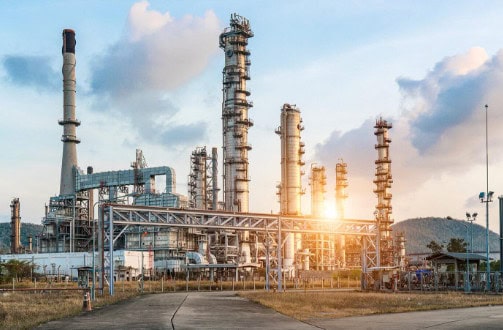
The most significant outcome would be an agreement allowing Pakistan to procure Iranian crude oil—and potentially natural gas—on commercially attractive terms. Such an arrangement would:
- Reduce Pakistan’s petroleum import bill.
- Improve refinery feedstock economics through lower crude procurement costs.
- Enhance refinery utilization and gross refining margins.
- Strengthen Pakistan’s long-term energy security.
Although Iran is currently short of certain refined petroleum products, Pakistan’s existing refineries are not ideally configured to produce premium-grade gasoline. Therefore, the primary commercial opportunity lies in importing discounted crude rather than exporting refined products.
2. LNG Sector Reforms
Another possible announcement could relate to ongoing reforms in Pakistan’s gas sector, including further renegotiation of LNG contracts and accelerated substitution of imported LNG with indigenous gas.
Increasing domestic gas utilization could potentially lower gas supply costs from around Rs. 3,500/MMBtu to nearly Rs. 2,400/MMBtu, easing pressure on consumers, reducing import dependence, and improving the country’s external account.
3. Circular Debt Resolution
The anticipated announcement could also involve progress on the government’s circular debt settlement mechanism, particularly if concurrence from the IMF has been secured.
Successful implementation would improve liquidity throughout the energy value chain and positively impact exploration and production (E&P) companies, refineries, gas utilities, and the power sector.
Investment Implications
Among these possibilities, access to discounted Iranian crude represents the most significant catalyst for Pakistan’s refining sector, particularly for refineries historically configured to process Iranian crude.
At the same time, LNG reforms and progress on circular debt resolution would further strengthen the investment case for Pakistan’s broader energy sector by reducing systemic costs, improving cash flows, and reinforcing long-term energy security.
Bottom Line
The Petroleum Minister’s remarks represent the strongest official indication so far that Pakistan’s energy policy is entering an implementation phase rather than remaining at the discussion stage.
While geopolitical developments, sanctions, and payment mechanisms remain important variables, the policy direction is becoming increasingly constructive. The prospect of multiple positive announcements could serve as a meaningful catalyst for Pakistan’s listed energy companies.
Disclaimer: The views and opinions expressed in this article are those of the author and do not necessarily reflect the official policy or position of ProPakistani. The content is provided for informational purposes only and is not intended as professional advice. ProPakistani does not endorse any products, services, or opinions mentioned in the article.