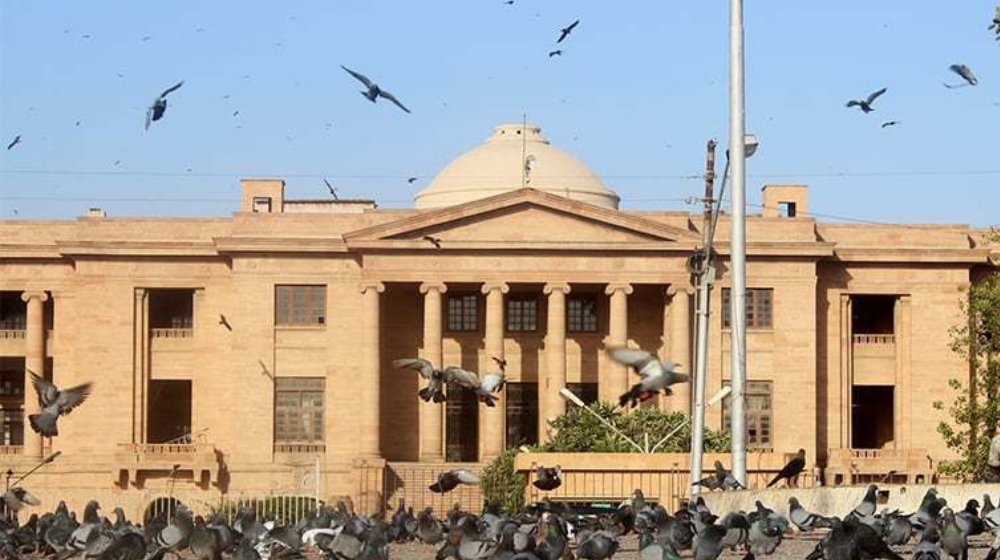
KARACHI: The Sindh High Court expressed dissatisfaction over the Defence Housing Authority (DHA) for not permitting the Sindh Environmental Protection Agency (Sepa) to inspect one of its two sewage treatment plants (STPs).
Sepa filed a report stating that the DHA was generating around eight million gallons per day (MGD) of sewage, out of which 3.33 MGD was being disposed of into the sea without treatment.
The court had previously ordered an inspection of Seaview Beach and an examination of STPs to prevent contamination.
The court has now directed the DHA to allow Sepa access to its treatment plant for inspection and ordered Sepa to file the inspection report before the bench on May 10.
Sepa also recommended that the DHA and Cantonment Board Clifton (CBC) should make both STPs operational on a full-time basis and develop the remaining three STPs.
Additionally, the DHA and CBC should file a plan for monitoring key environmental parameters at different locations of the beach.
The report stated that untreated industrial and domestic effluent dumped in the coastal areas of Karachi due to a lack of comprehensive collection and treatment facilities for domestic and industrial waste leads to adverse effects on the marine ecosystem.
The city generates 472 MGD of waste while the optimum design capacity of STPs is 151 MGD, but only 55 MGD is being treated.
The Sindh government, through the Karachi Water & Sewerage Board, has initiated the upgrade of TP-I, TP-III, and TP-IV so that municipal wastewater could be treated.
The Karachi Port Trust (KPT) is also planning to install TP-V to treat wastewater and then discharge it into the sea.
However, despite court directives, no progress has been made so far about such treatment plants.
The report recommended that the KWSB complete all STPs as soon as possible and install combined effluent treatment plants in industrial areas through a joint venture of government and industrial associations.