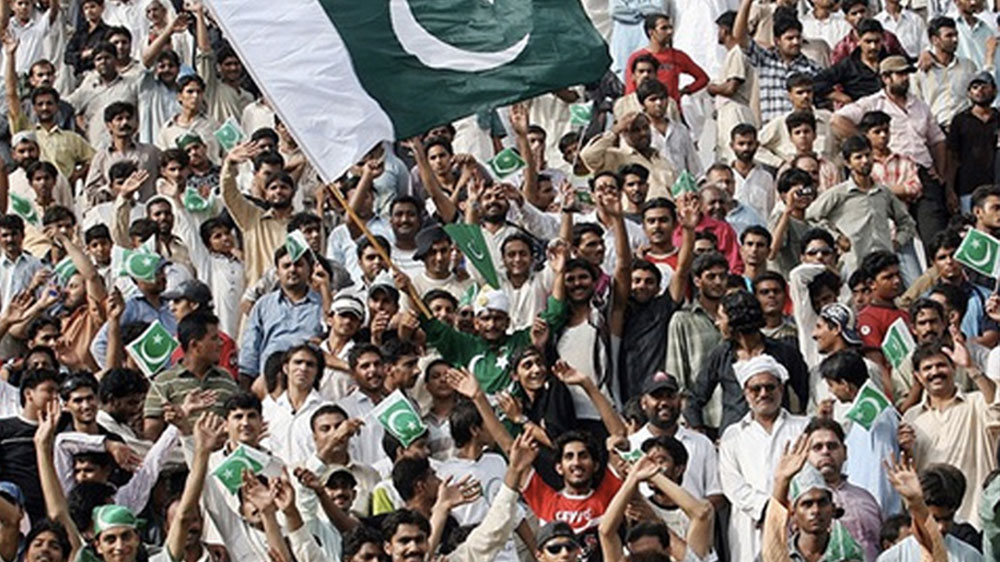
The world population has reached 8 billion and half of the people who made up the increase from 7 billion in 2011 to 8 billion now, are from Asia. Growing at an average annual rate of 1.9 percent, Pakistan is home to almost 3 percent of the world’s population. In the country, a woman has nearly 3.6 children on average.
Pakistan is among the eight countries where more than half of the increase in global population leading up to 2050 will be concentrated. These countries include the Democratic Republic of the Congo, Egypt, Ethiopia, India, Nigeria, the Philippines, and the United Republic of Tanzania.
The 8 billion mark is a milestone for humanity and a moment of reflection. It is time for Pakistan to take stock and take action, no matter the direction of population growth. Focusing on numbers alone may not present the full picture. It is time to look beyond the numbers and keep counting on evidence-based decisions. The solution is more and equal access to opportunities for all people, not more or fewer people.
Although the global family of 8 billion has come a long way in terms of welfare and development, with better health systems, less poverty, and fewer maternal deaths, the progress has not been enjoyed equally. Socioeconomic inequalities are widespread across provinces and regions. Access to health care, rights, and quality of life vary among various population groups.
The universal lesson is that societies that invest in their people, in their rights and choices, are on the road to the prosperity and peace everyone wants and deserves.
Women and girls must be at the heart of all efforts. Their reproductive health and rights, education, skill development, and employment must take priority to set the country on the path to prosperity. Family planning services, quality maternal health care services, and appropriate information must reach everyone.
Dr. Luay Shabaneh, United Nations Population Fund (UNFPA) Representative (designate), Pakistan, said, “The power of choice can move demographic and development indicators naturally in the right direction. Rights-based family planning campaign that involves service, advocacy, and social norm components can change the scene to show economic development in terms of levels of welfare and ensure gifted natural resources can sustain for a longer time.”
Pakistan’s National Population Narrative on Population Growth, based on the three interlinked principles of rights, responsibilities, and balance, has set the direction suitable for the country. It emphasizes that family planning should be driven by informed choice and underlines the state’s responsibility for fulfilling all citizens’ rights to the information and services they need to make and act on informed choices.
Pakistan is among the few countries with detailed population policies and program roadmaps at the federal and provincial levels. It is time to translate these plans into actions. All stakeholders must join hands to accelerate the implementation of these policies and programs. So every birth is intended, every childbirth is safe, and every young person’s potential is fulfilled.
Stay Connected with ProPakistani
Get the latest news and stories wherever you prefer.
Add ProPakistani to Preferred Sources and see more of our stories in Google Search and Top Stories.