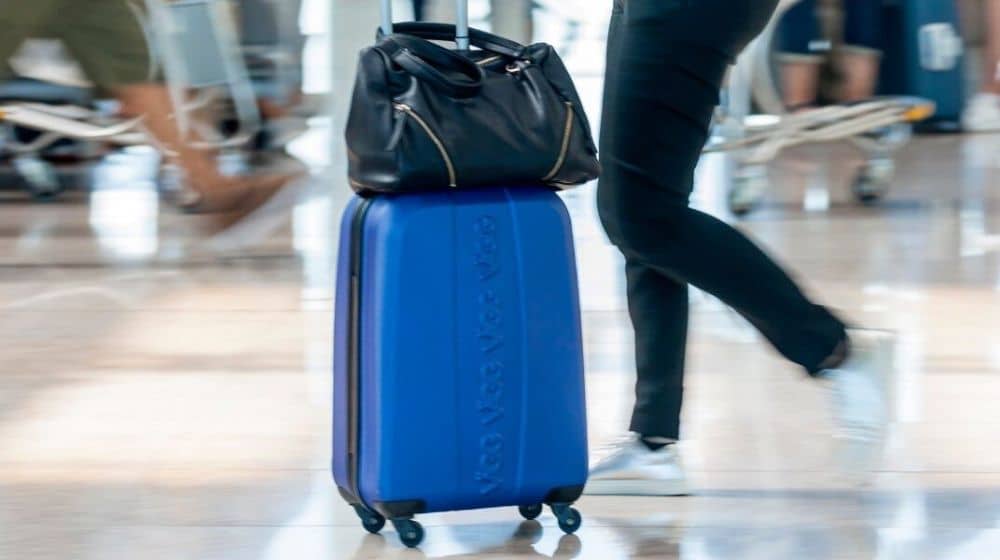
A recently updated EU regulation has reintroduced restrictions for passengers traveling with European airlines. As of September 1, 2024, passengers are required to limit liquids in their cabin baggage, including aerosols and gels, to a maximum of 100ml, according to Schengen.News.
Impact on Passengers and Airports
Airports Council International (ACI) Europe has issued a press release highlighting that this new measure will affect both passengers and airports. ACI Europe has urged the EU Commission and Member States to develop a roadmap with specific goals for this temporary measure.
Operational Challenges
The restriction impacts airports that have invested in C3 scanners, the most advanced detection devices that previously allowed unrestricted liquids to be carried along with electronics such as laptops. These scanners are significantly more expensive—nearly eight times the cost of standard machines—and their maintenance is four times more costly. ACI Europe anticipates that the new rule will create substantial operational challenges and negatively affect the passenger experience at these airports.
Concerns Over Investment
ACI Europe’s Director General, Olivier Jankovec, pointed out that airports that adopted this technology in good faith, believing it was fully compliant with EU regulations, are now facing operational and financial penalties. Jankovec emphasized the need for legal certainty in the EU’s certification system going forward.
Deployment of C3 Scanners
Several airports across Germany, Ireland, Italy, Lithuania, the Netherlands, Sweden, and Malta have installed C3 scanners. In the UK, six smaller airports have also adopted the technology. All these airports must now comply with the new liquid restrictions.

UK Specifics
UK authorities had initially required airports to implement the new scanners by June 1, 2024. However, due to delays, including those affecting major and high-traffic airports, this deadline has been extended by one year.
Temporary Measure
According to a Department for Transport (DfT) spokesperson, this temporary restriction is intended to allow for further improvements to checkpoint systems and will only impact a small number of passengers. The UK, like the EU, does not have a detailed roadmap for the new rule.
Stay Connected with ProPakistani
Get the latest international news and global stories wherever you prefer.
Add ProPakistani to Preferred Sources and see more of our stories in Google Search and Top Stories.












