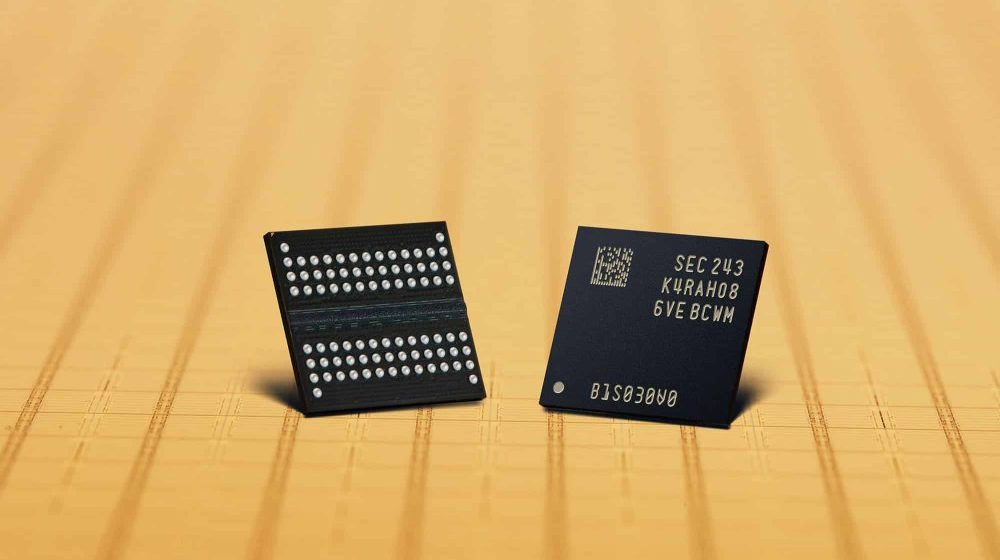
The DRAM and NAND industries are currently experiencing a significant drop in consumer demand, with contract prices plummeting by nearly 20% in just one month. This has presented serious challenges for memory manufacturers.
DDR4 memory modules are particularly hard to sell, leading to increasing inventory pressure. As a result, manufacturers have had to reduce prices to clear out excess stock.
This price decline comes after a volatile period for the DRAM market, which saw demand fall sharply following the COVID-19 pandemic. Initially, manufacturers responded by offering discounts to correct inventory levels and briefly managed to raise prices again, but the situation has since reversed.
According to a report from The Elec, the market has cooled, with DRAM and NAND prices experiencing double-digit declines. Analyst firm DRAMeXchange noted that DDR4 8Gb 1Gx8 modules saw a 17.07% price drop in September, bringing prices down to $1.7. The decline in demand is primarily due to consumers transitioning to next-generation memory technologies.
The growing adoption of DDR5 memory is also driving the decline in DDR4 prices. Although DDR5 is gaining popularity, it has yet to fully replace DDR4, especially for consumers looking for more affordable, mid-range performance systems. This leaves manufacturers struggling to sell older DDR4 stock, despite the increasing demand for DDR5.
Despite these challenges, the memory market is expected to see positive growth in the coming quarters. With the rising interest in AI-powered PCs and next-generation products, industry experts predict a rebound in demand, offering a more optimistic outlook for the DRAM and NAND sectors shortly.
Stay Connected with ProPakistani
Get the latest tech news, telecom insights, and product launches wherever you prefer.
Add ProPakistani to Preferred Sources and see more of our stories in Google Search and Top Stories.