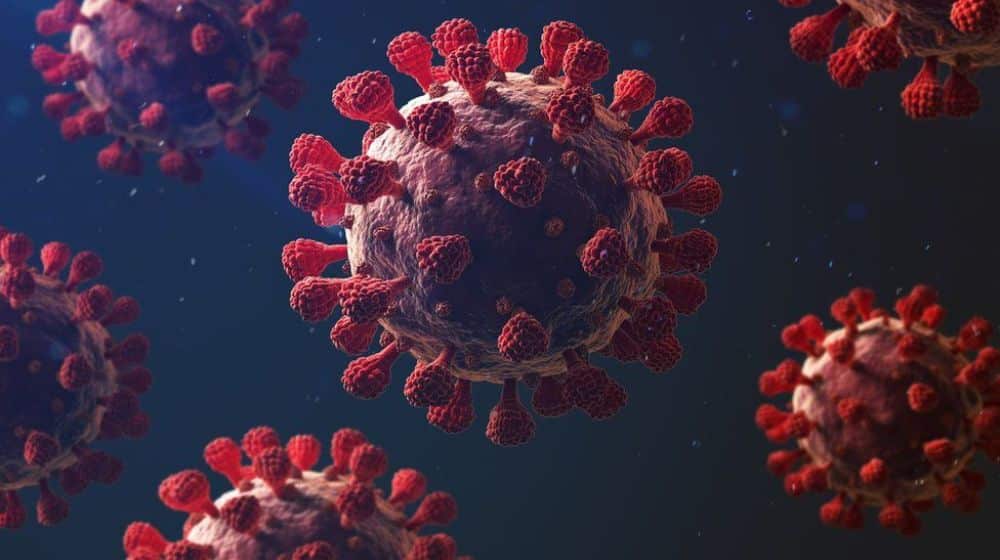
Chinese researchers have identified a new bat coronavirus, HKU5-CoV-2, capable of infecting human cells, sparking renewed discussions about zoonotic diseases and pandemic preparedness. The findings, published in the prestigious journal Cell, stem from research led by Shi Zhengli, the renowned virologist from the Guangzhou Laboratory, often dubbed China’s “Batwoman” for her extensive work on bat-borne viruses.
What is HKU5-CoV-2?
HKU5-CoV-2 is a descendant of the HKU5 virus, first discovered in the Japanese pipistrelle bat in Hong Kong. Part of the merbecovirus subgenus (which also includes the MERS virus), it shares several characteristics with SARS-CoV-2, the virus responsible for the COVID-19 pandemic.
One notable similarity is the presence of a furin cleavage site, a feature that enables viruses to more easily invade human cells. Lab experiments revealed that HKU5-CoV-2 can infect cells with high ACE2 receptor expression, particularly in intestinal and airway models—parallels that have drawn scientific attention.

Should We Be Concerned?
While the new virus demonstrates some ability to bind to human cells, researchers stress that its potential to cause human infection is significantly lower than that of SARS-CoV-2. “The risk of emergence in human populations should not be exaggerated,” the study emphasized.
International experts have echoed this sentiment. Michael Osterholm, an infectious disease authority from the University of Minnesota, labeled the alarm surrounding the discovery as “overblown.” He cited improved global immunity to SARS-like viruses since COVID-19, which he believes reduces the chances of another major outbreak.
A separate study from the University of Washington and Wuhan University further concluded that while the virus can bind to bats and some mammalian ACE2 receptors, it does not efficiently attach to human receptors.
Treatment Prospects
Encouragingly, scientists have already pinpointed monoclonal antibodies and potential antiviral drugs that could counter HKU5-CoV-2, laying the groundwork for quick therapeutic responses should human cases arise.
Context and Global Significance
Shi Zhengli’s work comes amid ongoing scrutiny of China’s role in viral research. Shi, who was at the center of controversy during the Covid-19 pandemic, has consistently refuted lab leak theories. While the origins of SARS-CoV-2 remain unresolved, Shi’s team remains focused on preventing future outbreaks through early detection and preparedness.
As the world reflects on the lessons of the COVID-19 pandemic, which has claimed over 7 million lives globally since 2019, this discovery serves as a reminder of the importance of vigilance without inciting undue fear.
Bottom Line
HKU5-CoV-2 warrants continued monitoring, but experts agree that widespread panic is unwarranted. The global scientific community remains committed to staying ahead of potential threats—proving once again that when it comes to emerging viruses, early detection is key.
Stay Connected with ProPakistani
Get the latest international news and global stories wherever you prefer.
Add ProPakistani to Preferred Sources and see more of our stories in Google Search and Top Stories.












