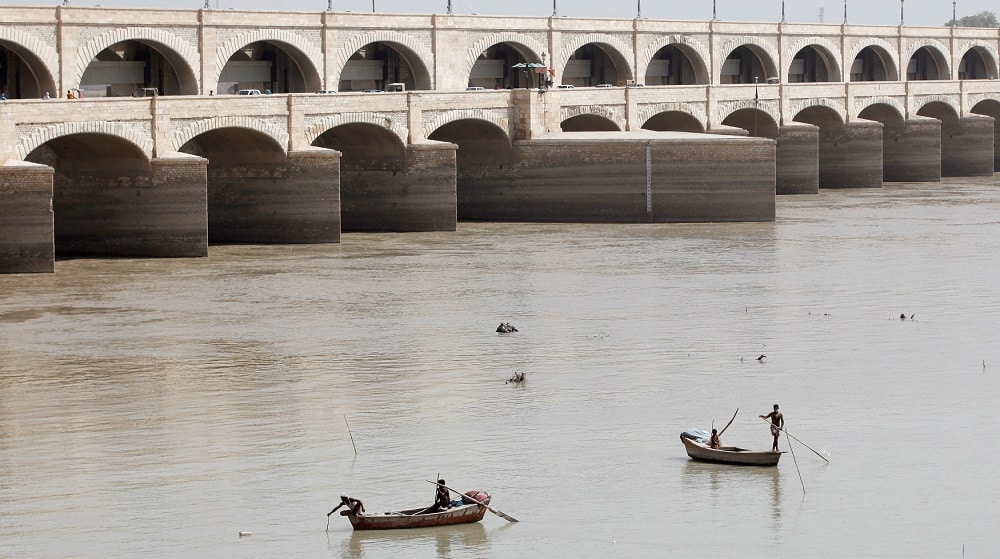
India is exploring plans to significantly increase its withdrawal of water from rivers that flow into Pakistan, in a move seen as retaliatory following the April 22 attack in Indian-administered Kashmir that killed 26 civilians. Indian officials blame Pakistan for the incident, though Islamabad has denied involvement.
The development has raised new concerns over the future of the Indus Waters Treaty (IWT), a longstanding water-sharing accord between the two nuclear-armed neighbors. According to sources familiar with internal discussions, the Indian government is examining multiple infrastructure projects that would shift water use patterns across the Indus River system, which is vital to Pakistan’s agriculture and energy.
India Suspends Participation in Indus Waters Treaty
Following the April attack, New Delhi suspended its participation in the 1960 Indus Waters Treaty, declaring the agreement to be “in abeyance.” The treaty, brokered by the World Bank, governs the use of the six-river Indus system between the two countries.
Indian Prime Minister Narendra Modi has reportedly ordered officials to accelerate the development of projects on the Chenab, Jhelum, and Indus rivers—all designated primarily for Pakistani use under the treaty. One proposal includes doubling the length of the Ranbir Canal, a British-era irrigation channel on the Chenab River, from 60km to 120km. If expanded, the canal could increase India’s water diversion capacity from 40 to 150 cubic meters per second.
Potential Impacts on Pakistan’s Water Supply
Pakistan’s Punjab region—a critical agricultural zone—relies heavily on water from the Indus system. Nearly 80% of the country’s farmland and almost all of its hydropower capacity are dependent on the rivers regulated by the treaty.
Pakistani authorities have stated that any attempt by India to block or divert water intended for Pakistan would be considered an “act of war.” Islamabad has formally challenged India’s suspension of the treaty, calling it illegal under Article XII, which mandates that the treaty can only be amended by mutual agreement.
A brief reduction of water inflows in early May, attributed to Indian maintenance work, offered Pakistan a glimpse into the pressures it could face if these plans materialize.
Hydropower and Storage Projects Under Review
India is also reviewing a list of hydropower projects that could increase capacity in Jammu and Kashmir from 3,360 MW to 12,000 MW. According to official documents reviewed by Reuters, the projects include dams with storage capabilities—a first for Indian developments on rivers allocated to Pakistan.
Some of these proposed projects are located on tributaries of the Chenab and Jhelum Rivers, which raises further concerns in Pakistan. If implemented, these storage projects could grant India greater control over the timing and volume of water flowing into Pakistan.
Stay Connected with ProPakistani
Get the latest news and stories wherever you prefer.
Add ProPakistani to Preferred Sources and see more of our stories in Google Search and Top Stories.













So, what is Pakistan doing? Do they have a plan to counter Indian water aggression? At least they should have a plan. Do not rely on third-party arbitration. Get your bouncing bombs ready. Hit their dams and anything that comes in between. Reply to them in their own language.
every river must run its normal flow with ample water in it and should look like a river.
From so many years less water is allowed in rivers then even agreed under water contracts keeping in view internal laws of river flows.
Secondly all efforts should be made to secure natural assets on minirals and hydrocarbons
by making highways roads and new cities in the area.
secondly exploring them with the help of local experts and for local people firstly and nation at large then should be used for trade and exports.
Alhamdolilah
Now doubt active strong defence and vigilant security is needed for the purpose and can be obtained with building more cantonments with new cities.