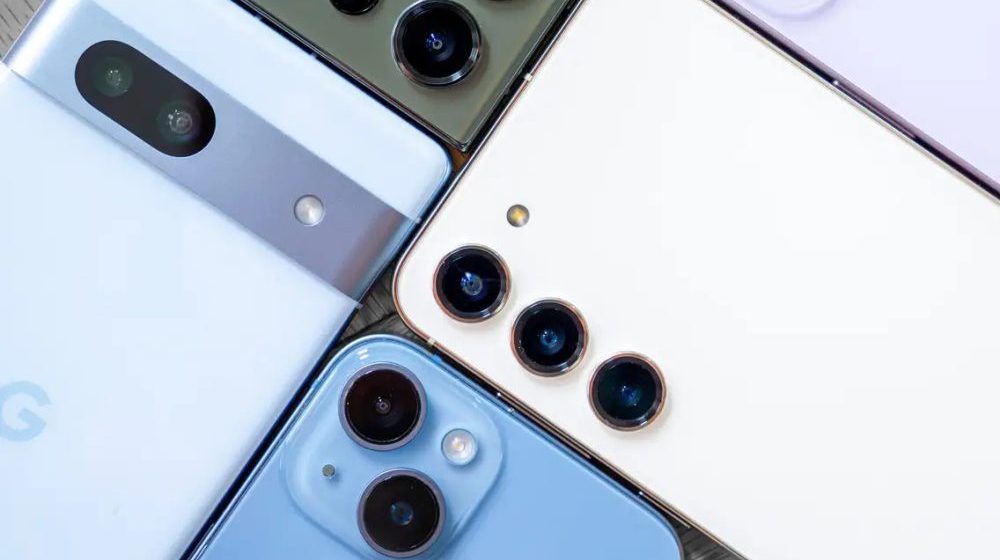
Following his earlier demand that Apple relocate iPhone production to the United States or face a 25% import tariff, President Donald Trump announced plans to apply the same tariff to all smartphone manufacturers selling devices in the U.S. market.
“It Wouldn’t Be Fair Otherwise,” Trump Says
In a press conference at the White House, Trump stated that the proposed tariff would not be limited to Apple. “It would also be Samsung and anybody that makes that product, otherwise it wouldn’t be fair,” he said, confirming that the new policy would affect Samsung, Google, and other phone makers that assemble smartphones outside the United States.
The administration plans to implement the measure by the end of June, though exact details regarding enforcement or exemptions remain unclear.
Consistent With Prior Trade Policies
Trump’s comments align with earlier policy frameworks aimed at imposing sector-specific tariffs within the broader scope of the 125% tariff package targeting goods from China. Smartphones and consumer electronics had previously been exempt, but Trump hinted these exemptions were temporary.
The proposed 25% tariff would fall under what the administration refers to as “semiconductor sectoral tariffs,” intended to encourage domestic production of electronics and reduce reliance on foreign manufacturing.
Manufacturing Shift Poses Major Hurdles
The announcement comes amid reports that Apple is expanding its iPhone manufacturing in India, a move widely interpreted as a strategy to circumvent trade tensions. With this expanded tariff scope, that option may no longer shield the company or its competitors.
Relocating smartphone manufacturing to the U.S. could be economically and logistically unfeasible for most companies in the short term. The smartphone supply chain is deeply rooted in Asia, particularly in China, Vietnam, South Korea, and India, where assembly costs remain significantly lower.
Outlook and Uncertainty
As with previous Trump-era tariff announcements, the proposal lacks detailed implementation plans. Whether the administration proceeds with the tariff or delays it, as has happened with past policy shifts, remains to be seen.
In the meantime, major tech firms are likely to monitor the situation closely, weighing legal and logistical responses. Industry analysts also note the potential for price increases for U.S. consumers if tariffs are passed on through retail pricing.
Stay Connected with ProPakistani
Get the latest tech news, telecom insights, and product launches wherever you prefer.
Add ProPakistani to Preferred Sources and see more of our stories in Google Search and Top Stories.













crap piece of information. copy pasted stuff. no relevance to Pakistan
This is called shitty stuff.