
Honda has reportedly canceled plans for a large electric SUV originally set to launch in 2027, responding to weakening EV demand and the recent rollback of federal incentives in the United States.
According to a report by Nikkei, Honda has abandoned development of a three-row electric SUV that was expected to compete with models like the Kia EV9. The cancellation follows the passage of a new US law, referred to as the “Big Beautiful Bill”, signed by US President Donald Trump, which eliminates the $7,500 electric vehicle tax credit that had supported EV adoption.
Insiders told Nikkei that the tax credit’s removal, coupled with a broader slowdown in consumer interest, led the automaker to scale back its EV roadmap.
EV Investment Cut
As part of this shift, Honda is reportedly reducing its planned EV investment from $68.7 billion to $48.1 billion. The company plans to redirect the remaining funds to accelerate the development of hybrid models, which have seen increased demand in the US, Europe, and other key markets.
Honda’s decision mirrors recent moves by other automakers, such as Ford, which last year canceled a planned three-row electric SUV that had already been delayed to 2027. Both companies cited profitability concerns and consumer preference for lower-cost hybrids over full EVs.
The company had initially committed to releasing seven new electric models by the end of the decade, including the recently showcased 0 Series Saloon and SUV concepts. These two models are still expected to reach production.
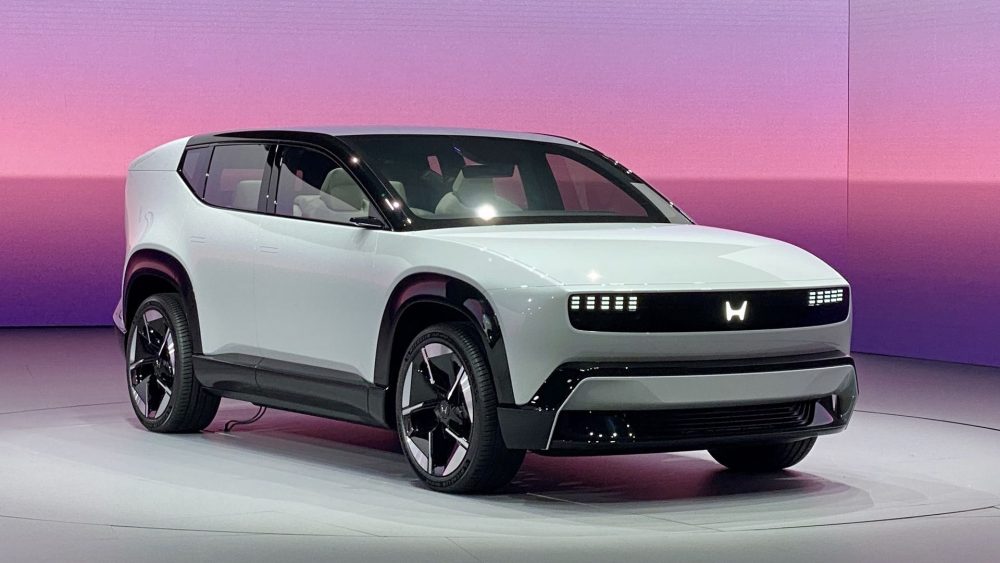
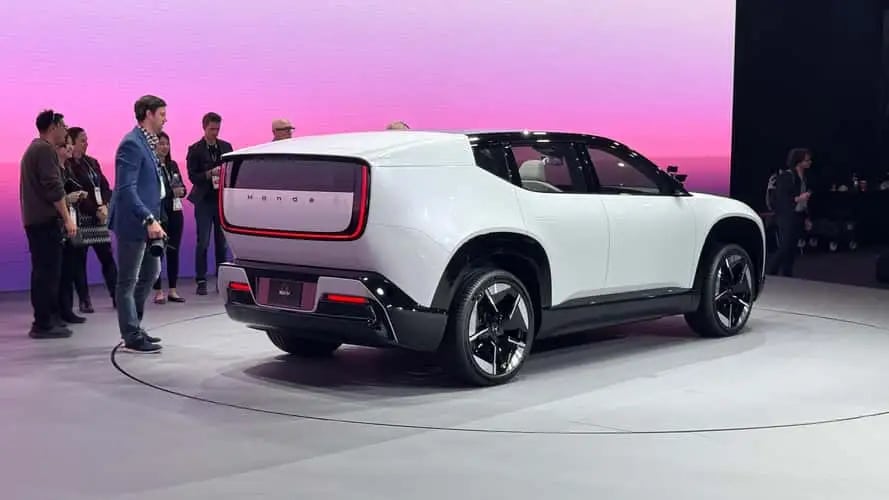
Currently, Honda offers only one electric vehicle in the US: the Prologue, a mid-size SUV developed in partnership with General Motors. The Prologue was one of GM’s best-selling EVs in 2024.
Policy Changes to Blame
The decision comes amid growing policy uncertainty for EV manufacturers operating in the US. In addition to ending federal tax credits, the Trump administration has moved to repeal California’s zero-emissions mandate, which aimed to phase out combustion engine sales by 2035. California and several other states are now challenging the repeal in court.
The market response has been swift. Many automakers are now reevaluating earlier commitments to phase out gasoline vehicles entirely by 2035 or sooner.
Stay Connected with ProPakistani
Get the latest automobile news, car launches, bike reviews, videos and analysis wherever you prefer.
Add ProPakistani to Preferred Sources and see more of our stories in Google Search and Top Stories.













And this is why china is rising
bull bull bull