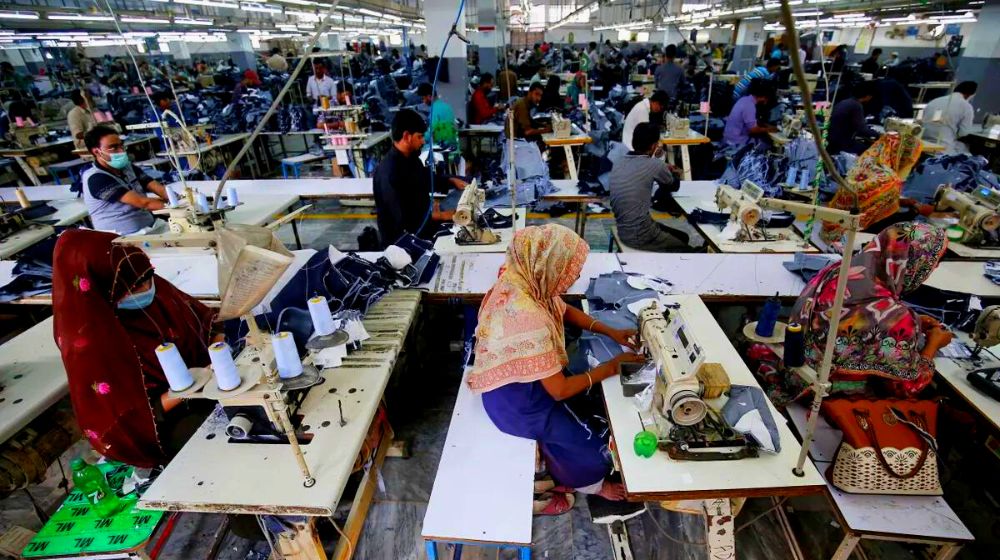
Pakistan has officially launched its Gender Pay Gap Report along with a National Action Plan to address wage disparities between men and women. The landmark initiative aims to promote equal pay, enhance women’s participation in the workforce, and foster inclusive economic growth.
The report, developed by the Ministry of Overseas Pakistanis and Human Resource Development (MOPHRD) in collaboration with the International Labour Organization (ILO), provides a detailed analysis of wage inequalities and outlines short, medium, and long-term strategies to close the gender pay gap.
Findings reveal that women in wage employment earn 25–30 percent less than men, with the gap widening to 40 percent in the informal economy due to weak legal enforcement and lack of protections. The report identifies key drivers such as occupational segregation, informal work, and discriminatory practices. Importantly, a significant portion of the pay gap cannot be explained by education or experience, highlighting systemic inequality.
The launch brought together a wide range of stakeholders, including government officials, employers, workers’ representatives, labor inspectors, academics, and members of wage boards. Together, they developed a roadmap for legal and policy reforms aligned with international labor standards, particularly ILO Convention No. 100 on Equal Remuneration and Convention No. 111 on Discrimination.
Federal Secretary MOPHRD, Nadeem Aslam Chaudhry, reaffirmed Pakistan’s commitment to wage equality, calling the report “a critical step” toward dismantling the barriers that hold women back economically.
ILO Country Director Geir Tonstol noted that the launch moves Pakistan from “diagnosis to action,” adding that the ILO is ready to support the country in creating fair, transparent wage systems and formal job opportunities for women.
Experts from the ILO shared global best practices and emphasized the need for structural reforms, skill certification, career-linked employment, and flexible work arrangements to support women’s inclusion and advancement in the workforce.
The National Action Plan includes practical measures to recognize women’s economic contributions—especially in caregiving roles—while promoting formalization of work, upskilling, and gender-responsive wage-setting mechanisms.
Stay Connected with ProPakistani
Get the latest business news, market insights, and economic updates wherever you prefer.
Add ProPakistani to Preferred Sources and see more of our stories in Google Search and Top Stories.













Men earn even less . We used to have 1 person earning and his/her family living in that 1 wage.
Now both women and men work and barely make any income. If you want both men and women in jobs THEN CREATE JOBS.
We will stop having families and soon pakistan won’t have a population except agiing elders.
More people in jobs means less people with families
They have to specify which industries or sectors are these wages gap coming from. I am pretty sure this is not the case in Banking, IT and Medical industries……