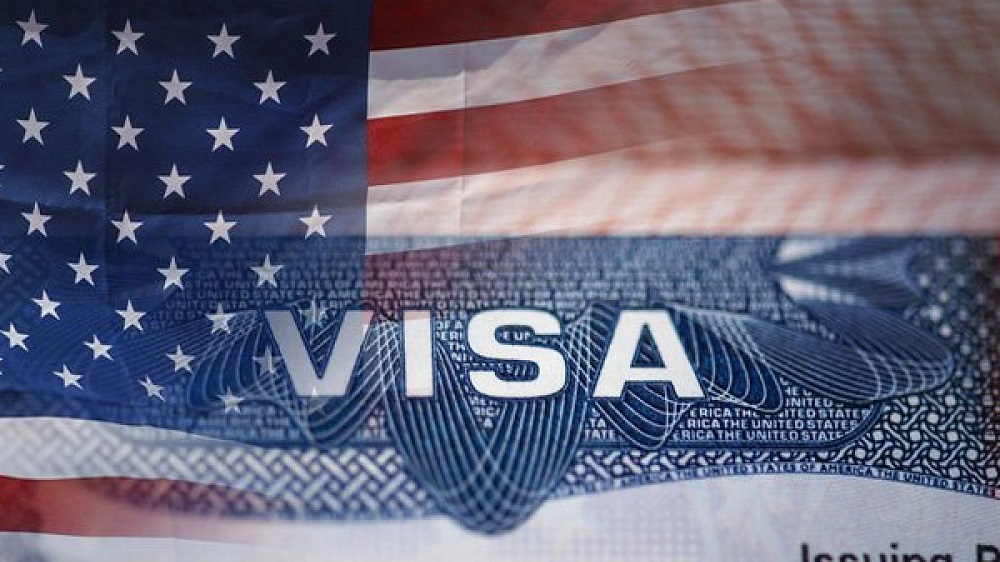
The United States has officially discontinued the ‘drop-box’ facility, also known as the Interview Waiver Program (IWP), for non-immigrant visa applicants from 57 countries. This move will bring stricter scrutiny, longer waiting times, and higher costs for students, professionals, and travelers.
What Was the ‘Drop-Box’ System?
- The scheme allowed eligible applicants to renew visas without appearing for an in-person interview by submitting documents at a Visa Application Centre (VAC).
- It was widely used by visitors, students, and skilled workers applying for visa renewals.
What Changed on September 2?
- The U.S. State Department has ended interview waivers for applicants from countries including Afghanistan, Bhutan, Cuba, Egypt, Haiti, Iran, Myanmar, Venezuela, and Zimbabwe.
- All applicants—whether students, tourists, or professionals—must now appear in person at a U.S. embassy or consulate.

Who Loses Waiver Privileges?
Earlier, exemptions were available for:
- Children under 14 and adults over 79.
- Categories such as H-1B (skilled workers), L-1 (company transfers), F-1 (students), O-1 (extraordinary talent), and B-1/B-2 visitor visas.
- From now on, most of these applicants will need to attend interviews, regardless of whether it’s a first-time application or a renewal.
Limited Exceptions
- Certain diplomatic and official visas.
- Some categories are linked to international organizations.
- A very small number of B-1/B-2 renewals for full-validity visas.
- Still, consular officers may demand interviews at their discretion.
Expected Consequences
- Longer wait times: Consulates must now schedule significantly more in-person interviews, straining appointment slots.
- One free reschedule rule: Since January 1, applicants are allowed only one complimentary reschedule of an appointment. Any further changes may require paying the visa fee again.
Fee Hikes Coming Soon
- I-94 Record Fee: Will rise from $6 to $30 for land entries and travelers from Visa Waiver Program (VWP) countries.
- ESTA Fee: Nearly doubling from $21 to $40, applicable to VWP travelers until at least 2034.
- Visa Integrity Fee: A new $250 charge expected this fall for many non-immigrant visas, intended to fund enhanced screening.
Other Tightening Measures
- Visa Bonds: Certain B-1/B-2 applicants from countries like Malawi and Zambia must deposit $5,000–$15,000, refundable only if visa conditions are respected.
- Expanded Vetting: Stronger document checks and mandatory social media reviews are slowing down approvals.
- Fixed Stays Proposal: Plans to replace open-ended stays for F-1 (students), J-1 (exchange visitors), and visas (journalists) with fixed admission periods, requiring extension applications.
- H-1B Reforms: A potential 2026 rule may allocate visas by salary level instead of random lottery—expected to particularly affect Indian professionals.
- Passport Pickup Rules: Since August, the U.S. Embassy in New Delhi requires applicants to collect passports in person. Parents collecting for minors must provide signed consent letters; scanned or emailed authorizations are not accepted.
Stay Connected with ProPakistani
Get the latest international news and global stories wherever you prefer.
Add ProPakistani to Preferred Sources and see more of our stories in Google Search and Top Stories.













Abdullah Khan academy answers for the Mach one of my work schedule hi hi
Abdullah Khan academy answers for the way now to pick up the way to the way to the way to the way to the way to the way to the way to the way to pick you 🎉 you 🎉