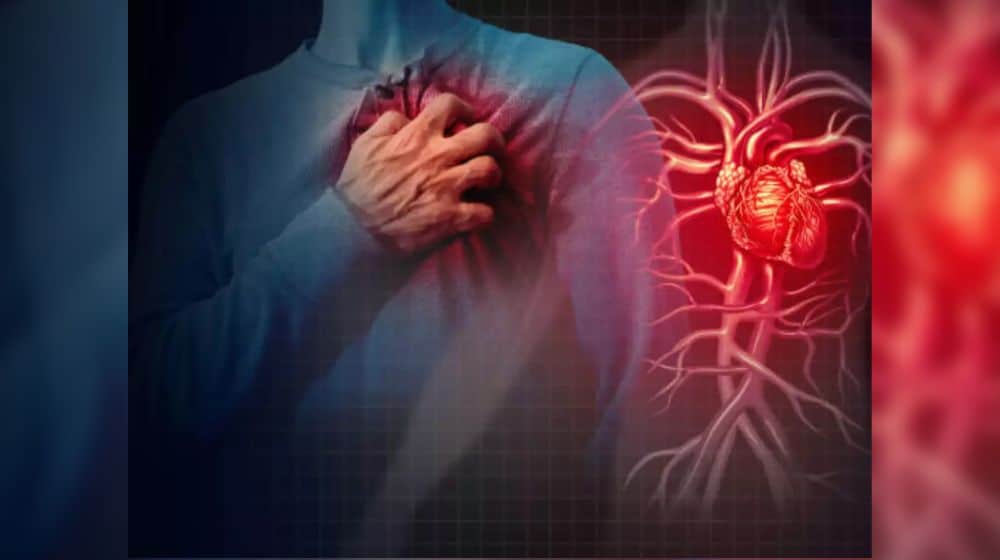
A 53-year-old Pakistani businessman in Dubai has defied the odds by surviving a life-threatening heart rupture, thanks to the swift response of surgeons at Aster Hospital, Qusais.
Shah Nawaz was admitted to the hospital after experiencing severe chest pain for four days, radiating to his jaw, and accompanied by fever. Tests revealed he had suffered a major anterior wall heart attack, one of the deadliest forms of cardiac emergencies.
Critical findings
Doctors soon discovered his condition was even more dangerous than initially thought. Examinations revealed reduced heart muscle activity in the area supplied by the left anterior descending artery. More alarmingly, they detected a Ventricular Septal Rupture (VSR) — a tear in the wall dividing the heart’s chambers.
This rare complication allows blood to flow abnormally into the lungs instead of circulating through the body, causing severe breathing difficulties and potentially death if untreated.
“VSR is one of the gravest complications after a heart attack, with extremely high mortality rates unless treated immediately,” explained Dr. Sandeep Shrivastava, Consultant in Cardiovascular and Thoracic Surgery, who led the procedure.
High-risk surgery
The case posed significant challenges due to Nawaz’s fragile heart tissue, recent heart attack, and other health issues. A multidisciplinary team of surgeons, cardiologists, anesthesiologists, and intensive care specialists worked together to stabilise him.
The surgical team closed the ventricular rupture to restore normal blood flow and performed Coronary Artery Bypass Grafting (CABG) to improve circulation in blocked arteries.
Remarkable recovery
Against the odds, the surgery was a success. Nawaz was removed from the ventilator on the same day, needed no blood transfusion during the operation, and was discharged within four days. Doctors confirmed his heart function had improved significantly.
Understanding heart ruptures
A heart rupture occurs when damaged or weakened heart muscle tears after a major heart attack. Depending on where the rupture happens, it may involve the heart wall, the septum between the ventricles, or the papillary muscles that control valves.
Symptoms usually appear suddenly and include intense chest pain, shortness of breath, very low blood pressure, fainting, rapid heartbeat, sweating, bluish skin, and confusion. Without urgent surgery, most cases prove fatal.
Prevention and treatment
Dr. Shrivastava stressed the importance of heart attack prevention through lifestyle management—controlling blood pressure, diabetes, and cholesterol; quitting smoking; limiting alcohol; exercising; and following a heart-healthy diet.
He also highlighted the need for patients with a history of cardiac disease to strictly follow prescribed medications and attend regular check-ups.
Treatment for ruptures is almost always surgical, involving procedures like Ventricular Septal Rupture repair, heart wall patching, or bypass grafting. Temporary mechanical support devices such as intra-aortic balloon pumps (IABP) or ECMO may also be used to stabilise patients before surgery.
“Without surgery, survival is extremely unlikely,” Dr. Shrivastava noted, adding that Nawaz’s case highlights how timely diagnosis and coordinated medical care can save lives even in the most critical emergencies.
Stay Connected with ProPakistani
Get the latest news and stories wherever you prefer.
Add ProPakistani to Preferred Sources and see more of our stories in Google Search and Top Stories.












