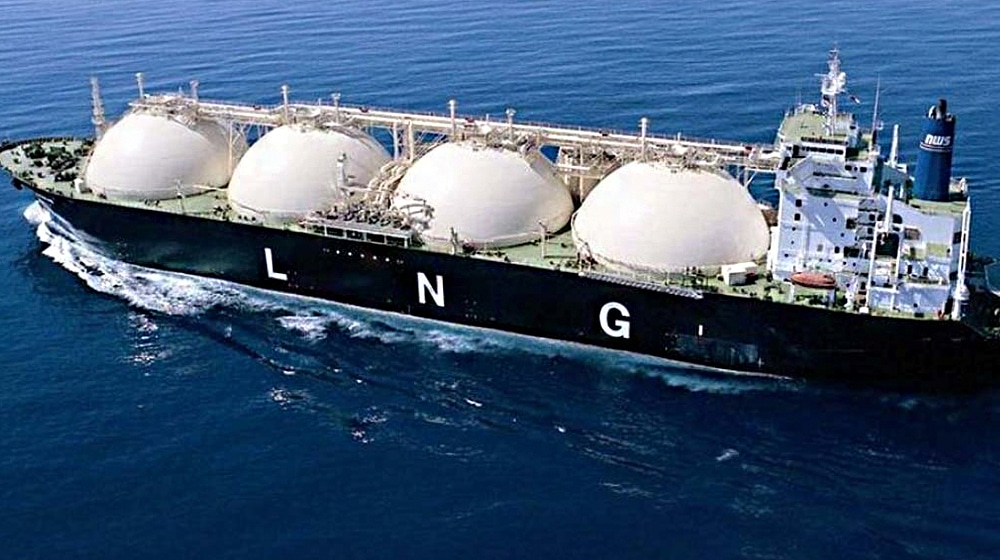
The Competition Commission of Pakistan (CCP) has raised serious concerns over the monopolistic dominance of state-owned enterprises (SOEs) in the country’s liquefied natural gas (LNG) market, highlighting structural and regulatory barriers that limit private sector participation.
In a newly released research study, “State of Competition in the LNG Sector in Pakistan,” the CCP found that SOEs such as Pakistan LNG Limited (PLL) and Pakistan State Oil (PSO) control key aspects of LNG imports, storage, and distribution. The report notes that high capital costs, government backing, and market concentration among SOEs deter new entrants and restrict competition.
The study also points to the sector’s mounting circular debt, which reached Rs. 2,866 billion by January 2024. This debt is attributed to delayed tariff adjustments, sector inefficiencies such as unaccounted-for-gas (UFG) losses, and the diversion of costly RLNG to domestic consumers during winter months.
According to the CCP, the decision-making process in the LNG sector is dominated by closely linked SOEs like SSGCL and SNGPL, resulting in non-transparent project prioritization that often favors incumbent interests. The research further highlights that long-term contracts, preferential subsidies, and access to government-backed financing create an uneven playing field for potential private sector entrants.
Key challenges identified by the CCP include monopolistic SOE dominance, restrictive licensing and tariff regulations, limited infrastructure access, and slow implementation of Third-Party Access (TPA) rules. The report also notes a reluctance among private sector players to move beyond project proposals, citing these barriers.
To address these issues, the CCP recommends several reforms, including the establishment of a ‘One-Stop-Shop’ for LNG import clearance, fast-tracking TPA rule implementation, and unbundling the transmission and distribution operations of Sui companies. The commission also calls for amendments to the OGRA Ordinance, 2002, to support these structural changes, drawing on international examples such as Japan’s Gas Business Act (2015).
The CCP concludes that implementing these recommendations, particularly efforts to reduce UFG losses and improve demand forecasting, could significantly enhance competition and transparency in Pakistan’s LNG market.
Stay Connected with ProPakistani
Get the latest business news, market insights, and economic updates wherever you prefer.
Add ProPakistani to Preferred Sources and see more of our stories in Google Search and Top Stories.