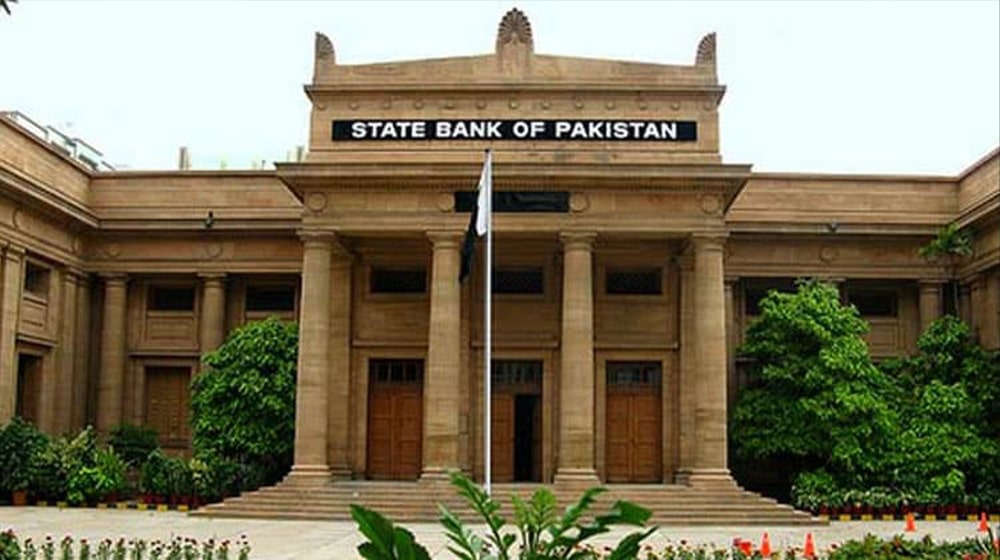
The State Bank of Pakistan (SBP) has introduced new Guidelines on Climate Stress Testing, expanding its existing stress testing framework to formally include climate-related risks for banks and other regulated financial institutions.
Recently, climate change has become a significant challenge for the domestic economy and the financial system. Therefore, the guidelines provide scenarios on climate-related single-factor shocks for physical and transition risks for the SBP-regulated financial institutions (FIs).
Moreover, the sample Domestic Systemically Important Banks (D-SIBs), as identified under the D-SIBs Framework 2018, are now required to incorporate climate-related risks into their annual scenario analysis i.e., Macro Stress Testing (MST) exercise. The guidance will enable the FIs to gauge better the impact of climate-related risks on their lending portfolio and financial position. Accordingly,
- The regulated FIs shall conduct climate stress tests in addition to the exercises being carried out under FSD Circular No. 01 dated September 01, 2020.
- Climate stress testing (single factor) will be conducted by the regulated FIs, based on end-December data, by the second quarter of the following year. However, the first iteration may be conducted by the end of Q3 CY26, based on data as of the end of December 2025.
- The sample D-SIBs shall conduct an annual MST exercise based on data as of December 31 (audited annual financials) and shall also incorporate climate-related risks in the scenarios. The results shall be included in the relevant section(s) of the ICAAP document and submitted to SBP by June 30 of the following year.
The SBP, as part of its supervisory process, will regularly conduct its own in-house climate stress testing exercises and, if required, may engage with the regulated FIs for any risk mitigation measures/contingency plans based on the outcome of these exercises. The SBP supervisory teams may also review the climate stress testing framework and processes of the regulated FIs.
Stay Connected with ProPakistani
Get the latest business news, market insights, and economic updates wherever you prefer.
Add ProPakistani to Preferred Sources and see more of our stories in Google Search and Top Stories.












