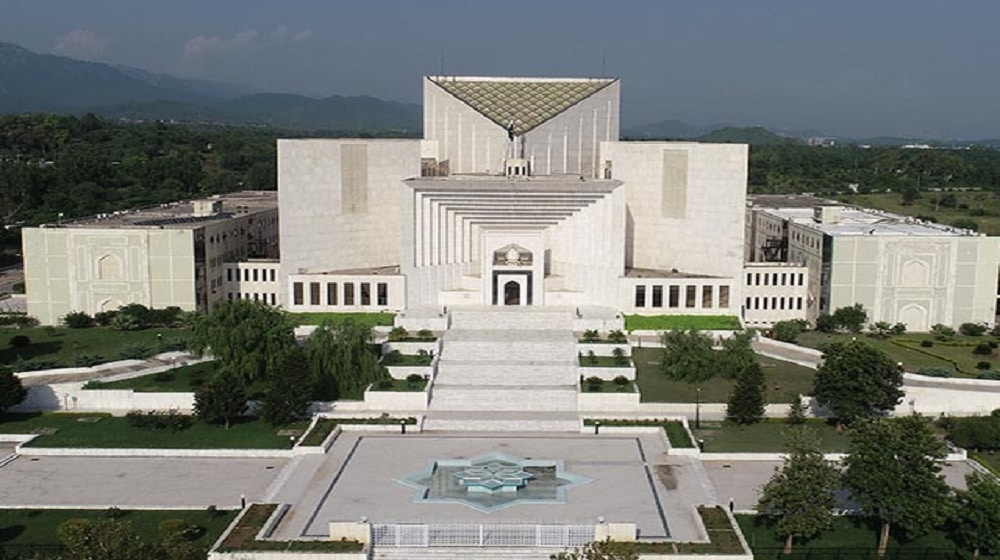
The National Commission on the Status of Women (NCSW) has urged the Supreme Court of Pakistan to reaffirm established legal principles governing khula, ensuring they remain consistent with constitutional guarantees and Islamic legal tradition.
In a statement issued on Thursday, the commission said the court was currently examining the legal parameters for granting a decree of khula and had sought assistance from the Council of Islamic Ideology and legal experts to clarify questions related to Islamic jurisprudence and family law.
The NCSW emphasized that no adverse ruling had yet been made and that existing jurisprudence on khula should be upheld. It noted that the right of a Muslim woman to seek dissolution of marriage through khula was firmly established in Pakistani law.
The commission cited the landmark case of Khurshid Bibi vs Baboo Mohammad Amin, in which the Supreme Court ruled that a court may grant dissolution if it finds that spouses cannot live within the limits prescribed by Islam.
The ruling recognized khula as an independent mechanism of justice rather than a remedy limited to proof of physical cruelty.
NCSW Chairperson Ume Laila Azhar said marriage in Islamic law is a civil contract based on mutual consent, dignity, and willingness to maintain the relationship.
“When these essential elements no longer exist, the law must provide a dignified and accessible exit,” she said, adding that khula exists to prevent prolonged harm, incompatibility, and irretrievable breakdown of marriage.
The commission also highlighted that domestic harm often occurs in private settings without witnesses. It said family courts are capable of assessing testimony and evidence without imposing unrealistic evidentiary requirements on women seeking relief.
The NCSW stressed that courts must ensure procedural formalities do not prevent substantive justice when a woman clearly expresses her unwillingness to continue the marriage.
It further noted that constitutional protections under Articles 4, 9, 14, and 25 guarantee equal access to judicial remedies for women in matrimonial matters.
The commission also called for family law interpretations to remain aligned with Pakistan’s international commitments, including the Convention on the Elimination of All Forms of Discrimination Against Women.
Stay Connected with ProPakistani
Get the latest news and stories wherever you prefer.
Add ProPakistani to Preferred Sources and see more of our stories in Google Search and Top Stories.