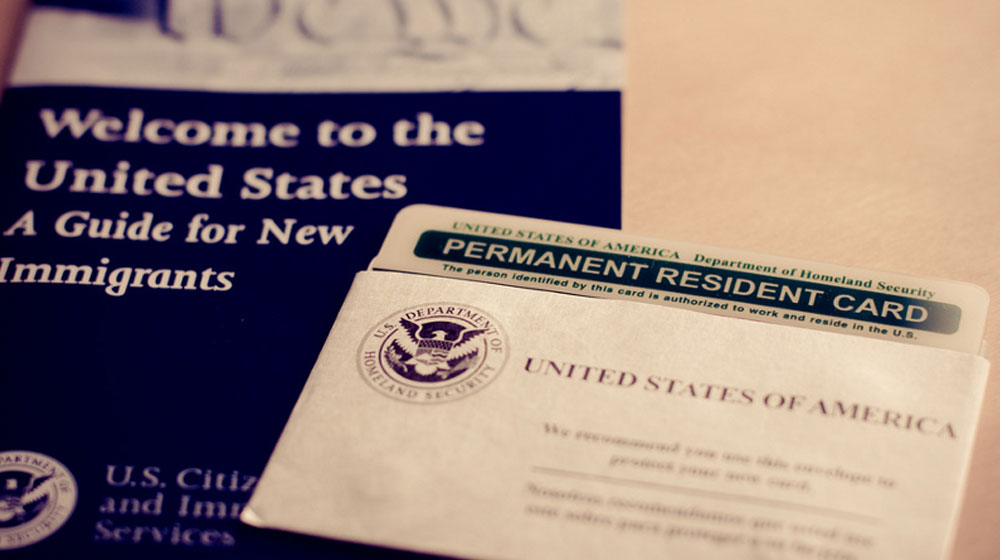
The U.S. Citizenship and Immigration Services (USCIS) has announced an increase in premium processing fees for employment-based work visas and green card petitions, effective March 1, 2026. The fee hike applies to several commonly used forms, following a routine adjustment for inflation.
What Is Premium Processing?
Premium processing is an optional paid service that expedites USCIS case decisions, typically within 15 to 30 calendar days, depending on the form. While it speeds up processing, it does not guarantee approval or a visa.
New Fee Structure
- Form I-140 (Employment-Based Green Card): $2,965 (up from $2,805, +$160)
- Form I-129 (Most Work Visa Categories like H-1B, L-1): $2,965 (+$160)
- Form I-129 (H-2B and R-1): $1,780 (+$95)
- Form I-539 (Change or Extension of Status): $2,075 (+$110)
- Form I-765 (F-1 OPT Work Authorization): $1,780 (+$95)
The new fees apply to applications postmarked on or after March 1, 2026.
Impact on Applicants and Employers
- International students applying for OPT work permits will face slightly higher upfront costs.
- Employers filing multiple H-1B or green card petitions need to factor the fee increase into their budgets.
- Applicants who want faster processing may still find the premium service worthwhile, while those not in a hurry can continue with regular processing at standard fees.
Important Tips
- File before March 1, 2026, to lock in current fees.
- Confirm postmark dates and fee amounts with your employer or immigration attorney.
- Premium processing remains one of the fastest ways to expedite U.S. work visa or green card applications.
USCIS reviews premium processing fees every two years to adjust for inflation. The service itself remains unchanged, but applicants should be aware of the upcoming cost increase.
Stay Connected with ProPakistani
Get the latest international news and global stories wherever you prefer.
Add ProPakistani to Preferred Sources and see more of our stories in Google Search and Top Stories.












