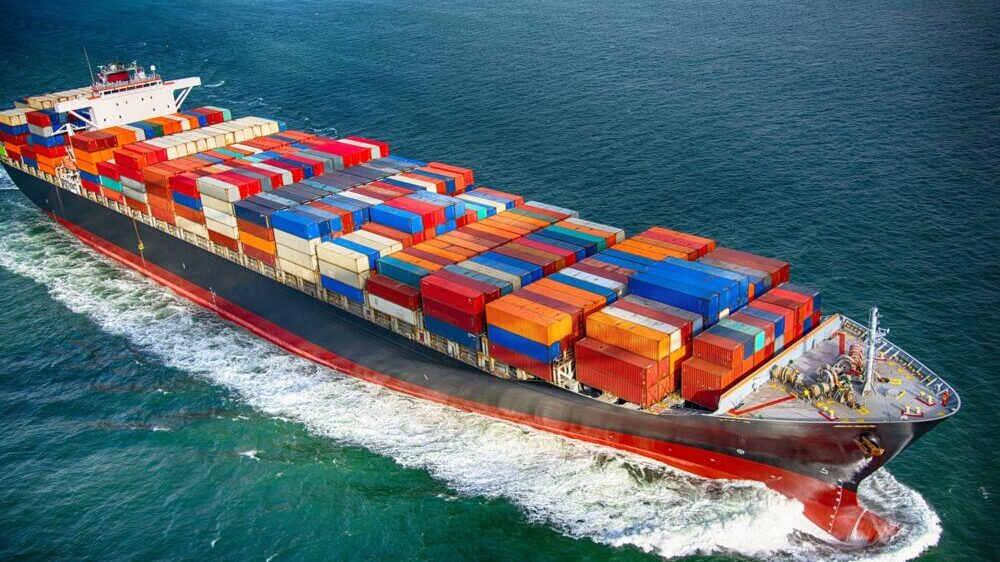
Pakistan’s exports have remained largely stagnant at around $25 billion to $30 billion for nearly two decades despite ambitious growth targets, with the Ministry of Commerce acknowledging that high taxes, expensive energy, costly financing, and structural weaknesses continue to undermine the country’s export competitiveness.
The issue came under discussion during a meeting of the National Assembly Standing Committee on Commerce, where lawmakers questioned why exports have failed to gain momentum despite the government’s Uraan initiative, which aims to increase exports to $60 billion.
Aliya Kamran, who moved the calling attention notice, noted that more than a year and a half after the launch of the Uraan program, export growth remains elusive, raising concerns about the effectiveness of current policies.
t
In its briefing to the committee, the Ministry of Commerce identified several obstacles facing exporters. These include what it described as an anti-export bias in the tax regime, limited access to financing, high energy costs, and inadequate trade facilitation measures that increase compliance burdens and transaction costs for businesses.
Commerce Secretary Jawad Paul told lawmakers that improving competitiveness and productivity are the two most important requirements for boosting exports.
He said competitiveness depends on lowering the cost of doing business through affordable energy, cheaper transportation, easier access to financing, and a supportive taxation framework.
The secretary acknowledged that Pakistan’s commitments under the IMF program limit the government’s ability to reduce taxes, but added that reducing the burden on exporters remains important for improving competitiveness. “Ideally, I would recommend zero taxation for exports,” he told the committee.
He also stressed the need to improve productivity across industries, arguing that firms must become more efficient if they are to compete successfully in international markets despite structural constraints.
The discussion comes as the government continues to promote the Uraan initiative as a key pillar of its economic strategy. However, the ministry’s own assessment suggests that achieving the $60 billion export target will require deeper reforms aimed at reducing business costs and improving the overall environment for exporters.
Stay Connected with ProPakistani
Get the latest business news, market insights, and economic updates wherever you prefer.
Add ProPakistani to Preferred Sources and see more of our stories in Google Search and Top Stories.













nothing in their control except police and judiciary, and all are under the control of military.