

 Desk
Desk
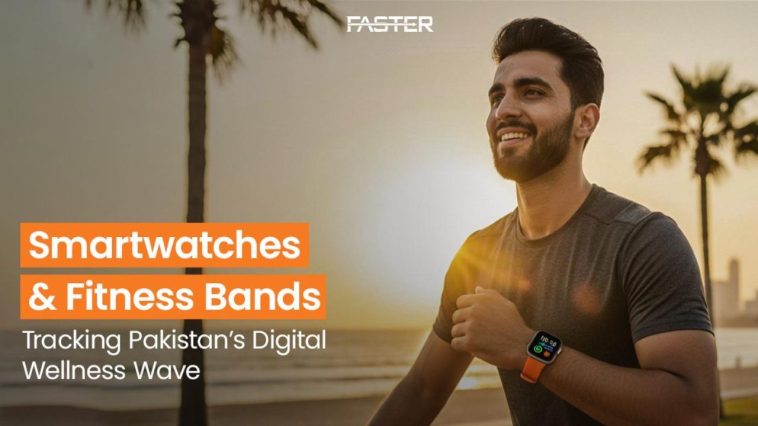
Wellness in Pakistan isn’t just about going to the gym or following a diet anymore; it’s gone digital. Smartwatches and fitness bands have changed the way people in Pakistan think about health. They can track fitness, sleep, and steps. What used to be a worldwide trend has now become a strong digital health wave across the country.
Statista reports that Pakistan’s wearable tech market will be worth more than $150 million by 2025. This is because there are a greater number of young individuals, people are more aware of their health, and tech is easier to get. This digital change is only getting stronger as more people in Karachi, Lahore, and Islamabad begin to wear smartwatches.
The Rise of Digital Wellness in Pakistan
In the last five years, there has been a huge shift in Pakistan toward keeping track of their own health. The internet is getting more accessible, more people are getting smartphones, and more people are starting to realize that health is wealth.
- Youth-driven demand: University students and professionals are embracing fitness tracking as a daily habit.
- Remote health monitoring: Smartwatches now help users track oxygen levels, heart rates, and even stress indicators.
- Lifestyle integration: With fitness apps syncing seamlessly with wearables, health tracking feels less like a chore and more like a lifestyle choice.
According to a GSMA survey from 2024, almost 30% of people in urban Pakistan now use some form of wearable device. This number keeps going up as devices get smarter and more affordable.
Why Smartwatches and Fitness Bands Matter
Smartwatches and fitness bands aren’t just gadgets; they’re digital health buddies. They give users real-time information about their physical activity, sleep quality, and overall health, which gives them the power to take charge of their health.
Key benefits include:
- Daily health insights: Track calories, steps, and sleep cycles effortlessly.
- Motivation to move: Fitness reminders encourage daily activity goals.
- Stress tracking: Heart rate variability data helps identify and manage stress.
- Seamless connectivity: Smart notifications make multitasking easier without overusing phones.
In a country where sedentary habits and long work hours are common, these features help people balance wellness and productivity.
Growth of Smartwatch and Fitness Band Adoption in Pakistan (2019–2025)
In Pakistan, the number of people who use smartwatches and fitness bands has grown a lot. The graph below shows how quickly wearable technology has become popular all over the country.
The Shift from Luxury to Everyday Necessity
People used to think of smartwatches as luxury items. In Pakistan, they are now essentials that both men and women need every day.
From fitness enthusiasts in Lahore’s Race Course Park to corporate professionals in Islamabad, people are wearing these devices not for fashion, but for functionality. The pandemic accelerated up this trend because a lot of people started keeping track of their oxygen levels and heart rates from home.
The result? A growing reliance on wearables as part of the country’s digital wellness ecosystem.
Local Preferences: What Pakistani Consumers Look For
Pakistani consumers know what matters most when it comes to choosing wearables:
- Long battery life for uninterrupted tracking.
- Accurate sensors for heart rate and step counts.
- Affordable pricing without compromising on quality.
- Stylish yet functional design.
- Durability to handle daily use in Pakistan’s climate.
As international brands fight for attention, local and regional tech brands have started introducing affordable alternatives that meet these exact needs. Businesses like Faster Pakistan are known for bringing these kinds of new ideas closer to the people who live there. They make sure that people can get smart devices that fit their needs and budget.
Smartwatches and Fitness Bands in Action
To understand how wearable technology has impacted Pakistanis, let’s look at real-world examples:
- Students use fitness bands to monitor sleep and manage study stress.
- Professionals rely on smartwatches to track long hours and maintain step goals.
- Fitness trainers in Karachi gyms use connected apps to design better routines.
- Parents are now gifting smartwatches to teenagers to promote healthy habits.
This shows how wearable tech is changing everyday life, not because of trends, but because it has real health benefits.
The Role of Innovation in Wellness Tech
Innovation is what makes wearable devices useful in Pakistan. Every new generation of devices has better sensors, better software, and better compatibility with mobile ecosystems.
For example, the Faster Nerv is a smartwatch that looks good and has useful health-tracking features. It shows how wearable technology is changing from just counting steps to tracking heart rate, sending notifications in real time, and lasting a long time for everyday users. These new features show that smartwatches aren’t just for athletes anymore; they’re for anyone who wants to be more aware and balanced in their daily life.
The Future of Digital Health in Pakistan
Pakistan’s digital health ecosystem is still growing, but it’s clear that wearables will soon be a must-have for preventive health care.
IDC says that the Asia-Pacific wearable market is growing by almost 15% every year, with Pakistan coming in close behind. Wearables will connect people to better health management systems as telemedicine, fitness apps, and online wellness platforms grow.
Challenges and the Road Ahead
Despite the rapid growth, there are still challenges that need addressing:
- Awareness gap: Many rural users remain unaware of wearable benefits.
- Data privacy concerns: Users must trust brands with their health information.
- Affordability issues: While improving, pricing can still be a barrier for some.
To get past these problems, both the government and private businesses need to spend money on teaching people how to use technology and making tech solutions that work in their area. The goal shouldn’t just be to sell devices; it should also be to make the population healthier and more data-driven.
Conclusion: A Smarter, Healthier Pakistan
Smartwatches and fitness bands have changed the way people in Pakistan think about health and fitness without anyone noticing. What started as a trend is now a part of everyday life, bringing together fitness, technology, and awareness into one easy-to-use experience.
The country’s health journey will only speed up as Pakistan continues to embrace the digital age. Wearable tech is helping people take charge of their health like never before, whether they are professionals in Karachi, students in Lahore, or travelers in Hunza.
The digital wellness wave is here to stay, and it’s getting stronger, smarter, and more connected than ever, because of brands like Faster Pakistan that are making technology more accessible.







