




In the heart of Cairo, a new generation of Egyptian women is shimmying to rewrite the story of belly dance, an art form once celebrated in the country’s cinematic golden age but now shrouded in stigma. As belly dancing surges in popularity worldwide, young performers like Safy Akef and Safaa Saeed are working to reclaim its place as a cornerstone of Egyptian heritage, pushing back against decades of moral judgment and colonial baggage to restore its prestige.
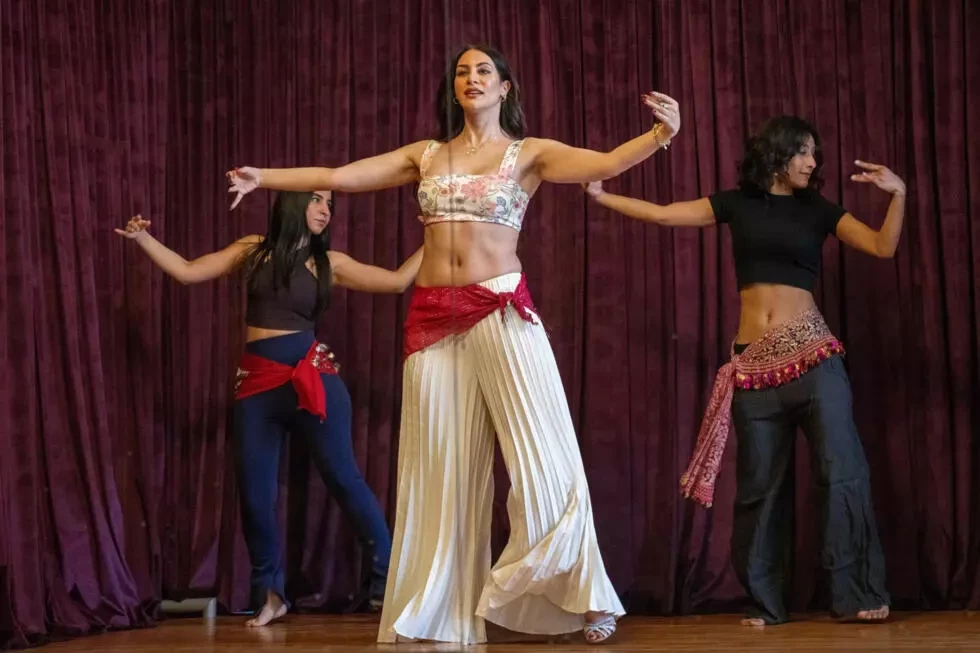
Once synonymous with the glamour of Egypt’s mid-20th-century cinema, belly dancers like Naima Akef, Tahiya Carioca, and Samia Gamal were cultural icons, their fluid movements captivating audiences in iconic films. But today, the art form—formally known as oriental dance or “baladi,” meaning “homeland” in Arabic—has been relegated to nightclubs and wedding halls, often performed by foreign dancers or a dwindling number of Egyptians.
“No woman can be a belly dancer today and feel she’s truly respected,” said Safy Akef, 33, an instructor and great-niece of the legendary Naima Akef. Despite her celebrated lineage, Safy has never performed on stage in Egypt, wary of the objectification that follows. “Once the show ends, the audience doesn’t respect you, they objectify you,” she told AFP.
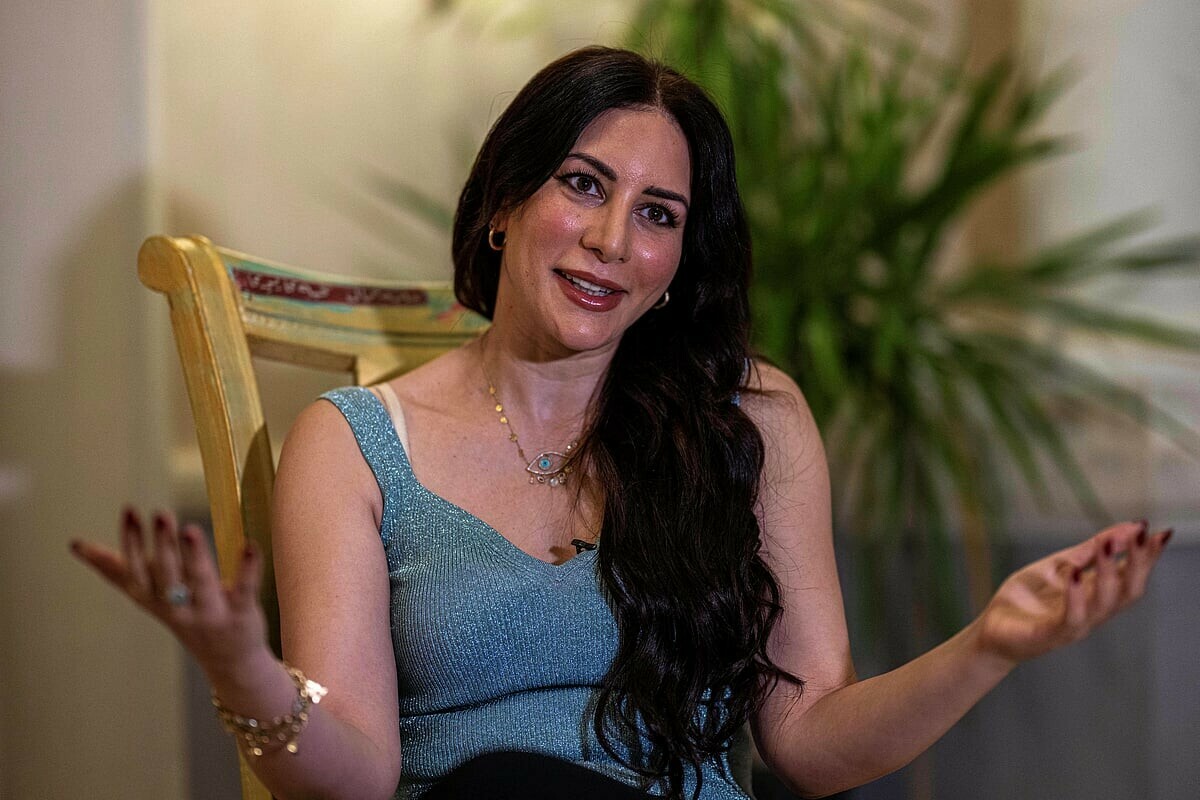
This shift in perception has deep roots. In her book Imperialism and the Heshk Beshk, author Shatha Yehia traces belly dance’s origins to ancient Egypt, but notes that its modern colloquial term, coined as “danse du ventre” (dance of the belly) by 19th-century French colonizers, exoticized the art and shaped negative perceptions both locally and globally. The term “heshk beshk,” an onomatopoeic Egyptian phrase evoking the dancer’s rhythmic shakes, has become a loaded label. Yehia describes it as synonymous with “femme fatale,” implying immorality and debauchery—a far cry from the artistry of Egypt’s golden age dancers.
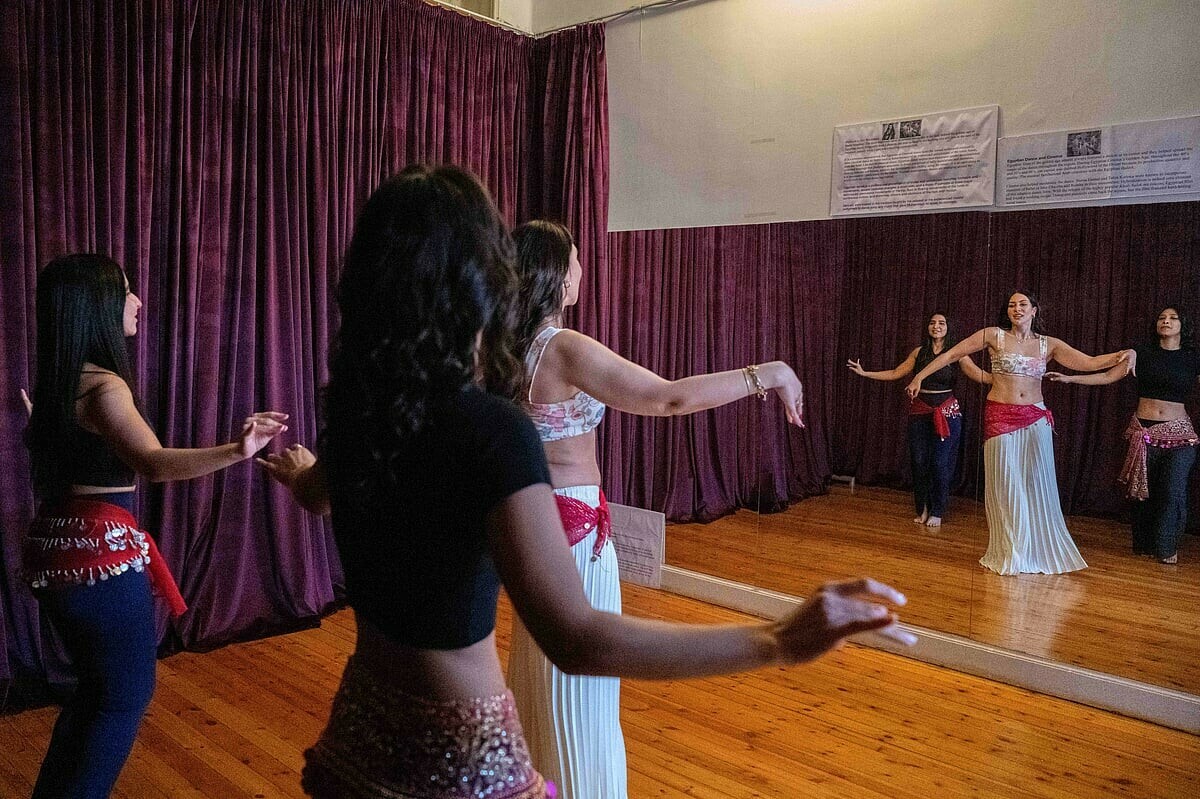
Leading the charge to restore belly dance’s dignity is choreographer Amie Sultan, a classically trained ballerina turned baladi advocate. Through her Taqseem Institute, launched in 2022, Sultan is training a new generation of dancers in not just choreography but also the music, history, and theory of Egyptian dance. Named after the improvisational solos of Arabic music, the institute has already trained dozens of women, seven of whom now teach full-time. “Baladi reflects the soul of who we are,” Sultan told AFP. “But now it carries images of superficial entertainment, disconnected from its roots.”
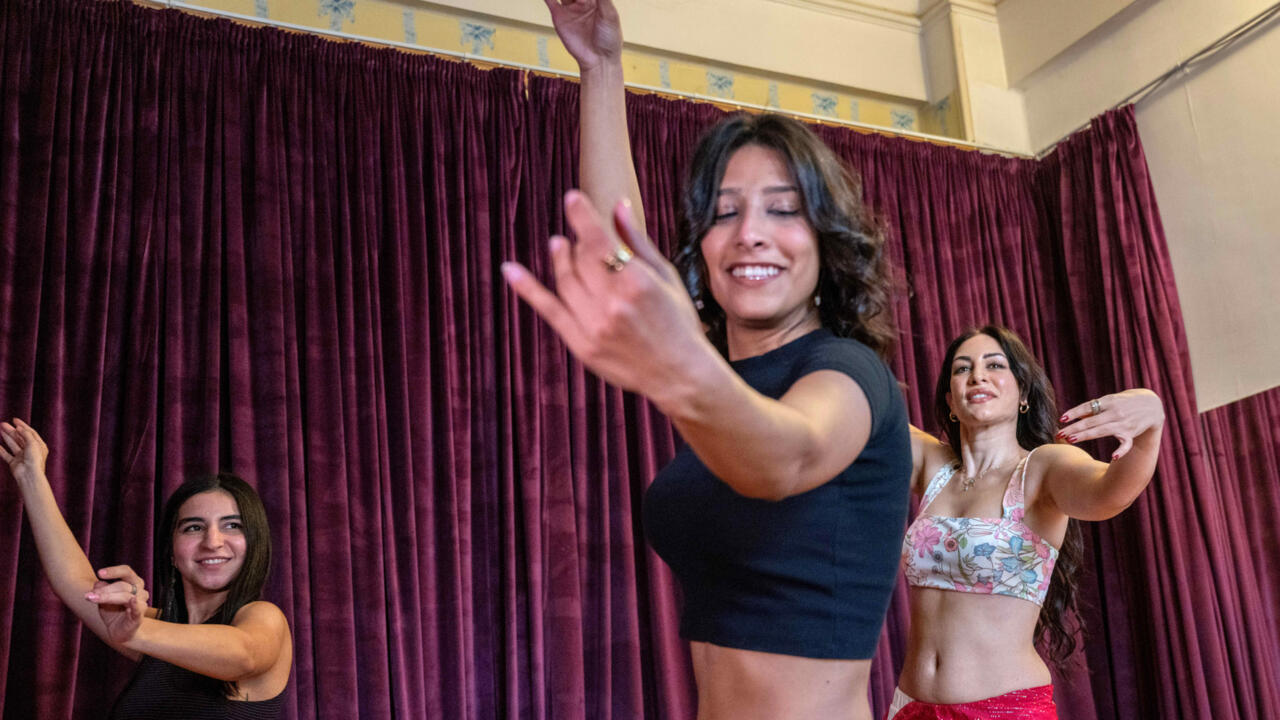
Sultan’s mission is to reframe belly dance as a legitimate art form fit for theatres and festivals, not just nightlife venues. Her students study the legacy of pioneers like Bamba Kashshar and Badia Masabni, alongside golden age stars, to reconnect the dance with its cultural roots. Sultan even takes her message to universities, delivering talks to demystify baladi for younger audiences. In 2023, she staged El-Naddaha, a performance blending Sufi themes with traditional and contemporary Egyptian movement, earning praise for its artistry.
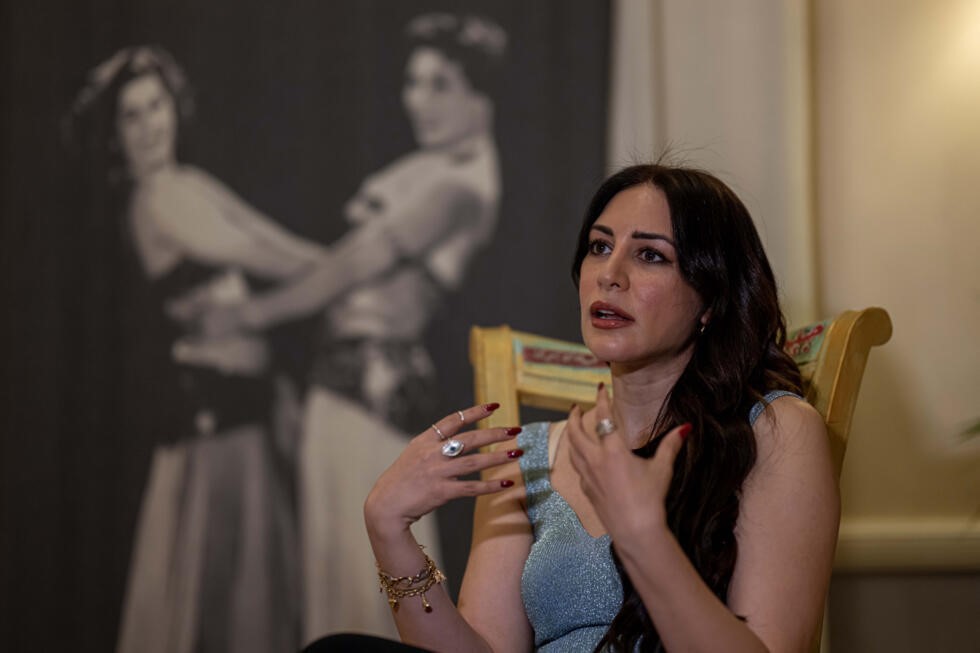
As belly dance continues to captivate global audiences—from North America to Asia—Egypt’s young performers are determined to reclaim their narrative at home. “It’s not just about shaking your hips,” Saeed said with a smile. “It’s about telling the story of who we are.” With each performance, they’re inching closer to a future where baladi is celebrated, not stigmatized, and where Egypt’s dance heritage shines once more on the world stage.