




In a bold move that’s stirring conversations across Central Asia, Kazakhstan has introduced a new law banning face-covering garments in public spaces, aligning itself with neighboring countries like Kyrgyzstan, Uzbekistan, and Tajikistan in regulating attire often associated with Islamic practices.
Signed into law by President Kassym-Jomart Tokayev on June 30, 2025, the legislation prohibits clothing that obscures facial recognition, with exceptions for health needs, extreme weather, and specific cultural or sports events.
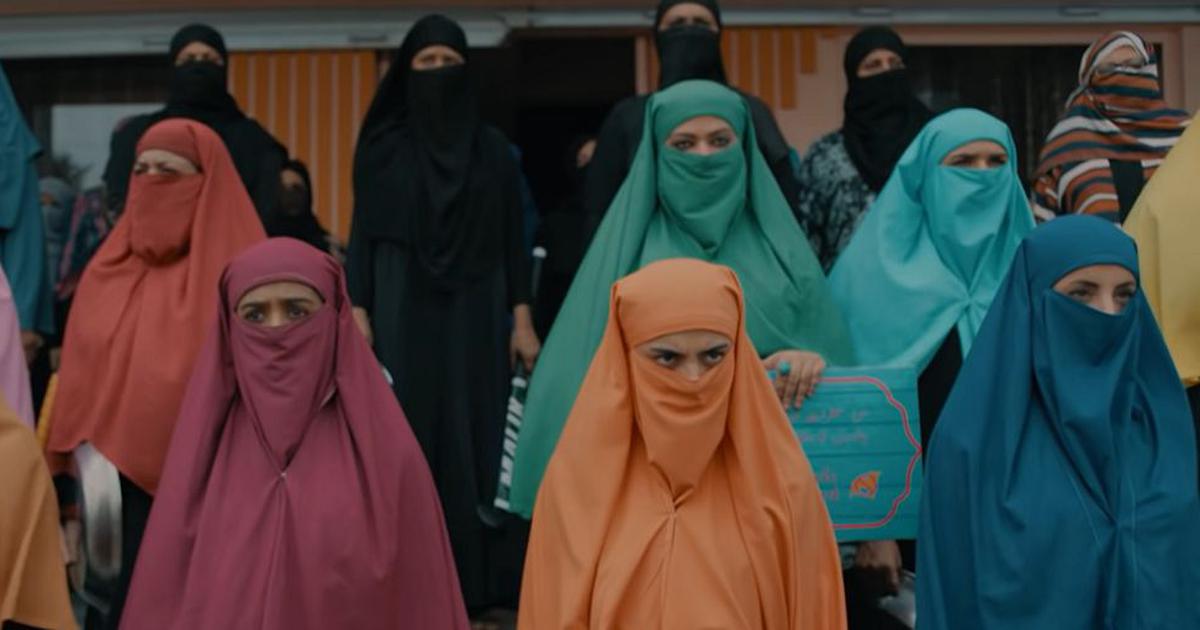
While the law avoids explicit references to religious dress, it’s being seen as a push to prioritize Kazakh national identity over certain Islamic practices, sparking both support and criticism.
The new legislation, effective immediately, reflects Kazakhstan’s broader effort to reinforce its cultural heritage in a rapidly modernizing, Muslim-majority nation of 20 million.
President Tokayev has been vocal about promoting traditional Kazakh attire, which he views as a vibrant expression of the country’s ethnic identity. “Instead of concealing the face with black robes, it is far more appropriate to promote traditional national attire,” Tokayev said earlier this year, emphasizing garments like the colorful shapan (robe) and intricately embroidered kimeshek (headscarf). “Our traditional clothing highlights our ethnic character and should be embraced more widely.”
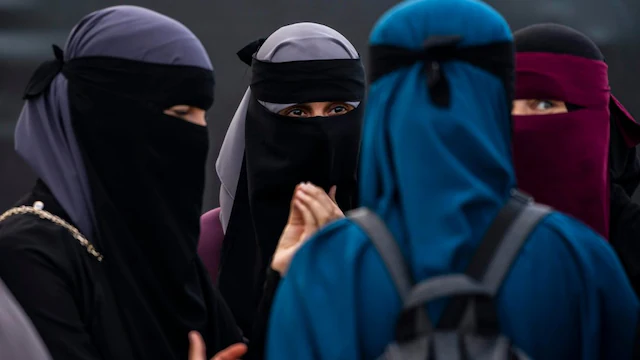
The law’s language is carefully neutral, focusing on “facial recognition” rather than targeting specific religious practices like the niqab or burqa. However, its implications are clear in a region where similar bans have been framed as efforts to curb religious extremism and assert secular governance.
Exceptions for medical masks, extreme weather gear, and cultural events like theatrical performances or sports competitions provide some flexibility, but the law’s enforcement is expected to be strict, with fines and public awareness campaigns already in the works.
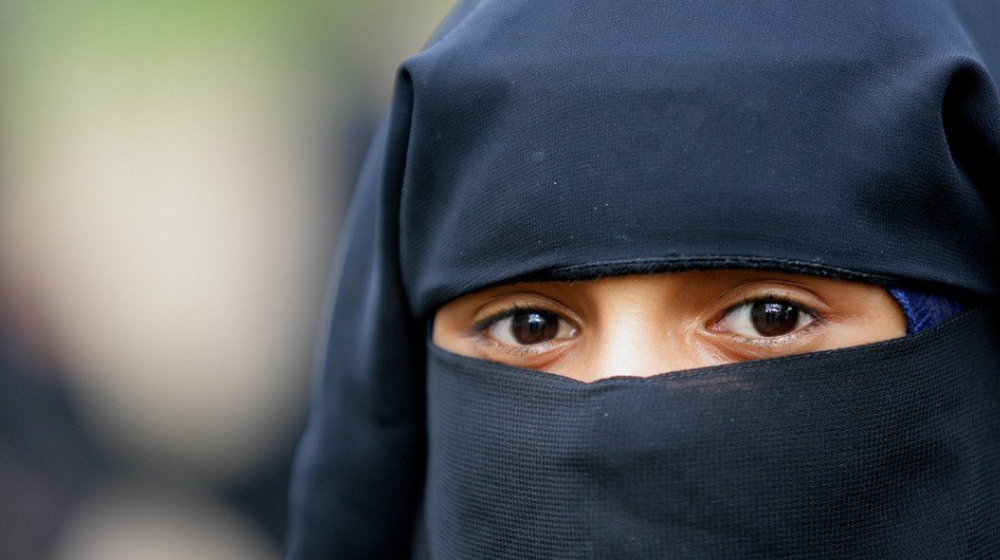
For now, the law is reshaping public spaces, with early reports indicating increased visibility of traditional Kazakh clothing in cities.