





A groundbreaking study from the Nurses’ Health Study (NHS) has revealed that your daily cup of coffee might do more than just perk you up—it could help women age healthier. Presented at NUTRITION 2025, the American Society for Nutrition’s annual meeting held from May 31 to June 3 in Orlando, the study explored how caffeine consumption in midlife impacts healthy aging in women.

The research, which tracked 47,513 women since 1984, defined healthy aging as reaching at least 70 years old without major chronic diseases, physical limitations, mental health issues, cognitive impairments, or memory complaints. By 2016, 3,706 women met these criteria, and the results pointed to a surprising ally: caffeine, particularly from regular coffee.

Using food frequency questionnaires from 1984 and 1986, researchers measured caffeine intake from coffee, tea, cola, and decaffeinated beverages. The median baseline caffeine consumption was 315 mg/day, with regular coffee making up over 80% of the total. After 30 years of follow-up, the data showed that higher caffeine intake, especially from coffee, was linked to a modest increase in the odds of healthy aging. For every additional 80 mg/day of caffeine (roughly the amount in a small cup of coffee), the likelihood of healthy aging and freedom from chronic diseases, physical limitations, and cognitive issues slightly improved.
Coffee lovers have extra reason to rejoice: for each additional cup of regular coffee consumed daily, the odds of healthy aging rose by 5%, with similar boosts across all health domains. However, the same couldn’t be said for other beverages. Tea and decaffeinated coffee showed no significant benefits, while cola consumption was a different story altogether. Each additional glass of cola per day was linked to a 19% to 26% drop in the odds of healthy aging, suggesting that sugary sodas may counteract the benefits of caffeine.
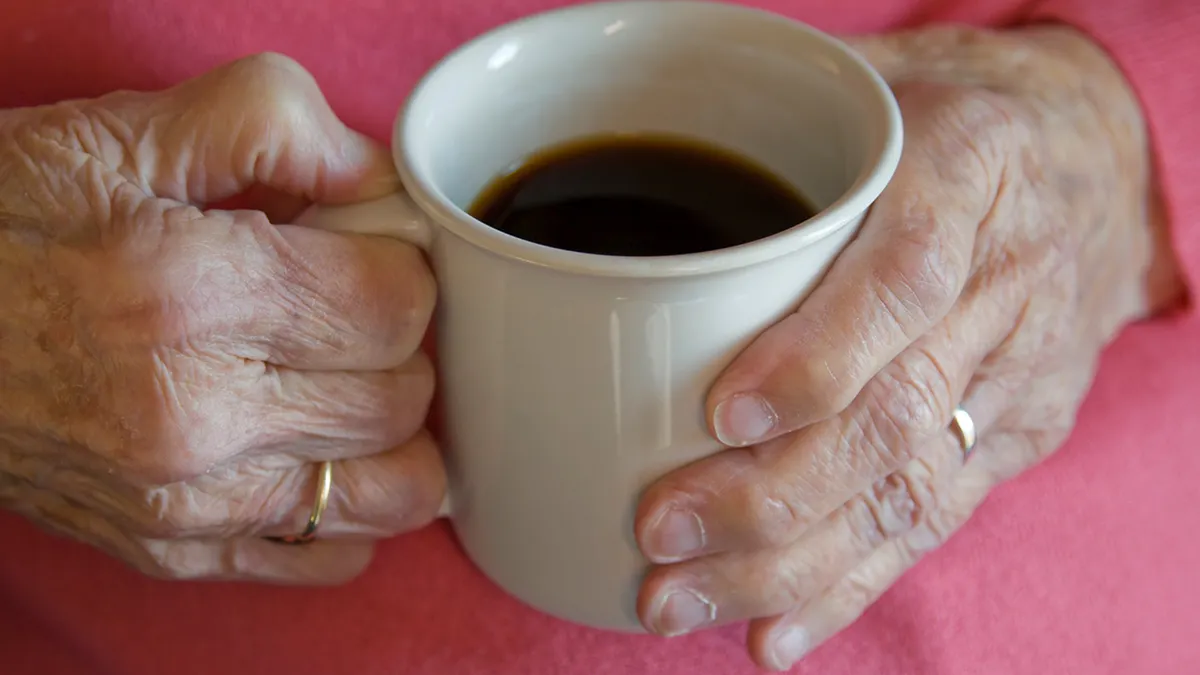
These findings highlight regular coffee as a potential key to longevity for women, offering a modest but meaningful boost to healthy aging. While the study doesn’t prove causation, it suggests that your morning brew could be a small step toward a healthier future. So, the next time you reach for that cup of joe, you might just be sipping your way to a vibrant old age—just maybe skip the cola.