




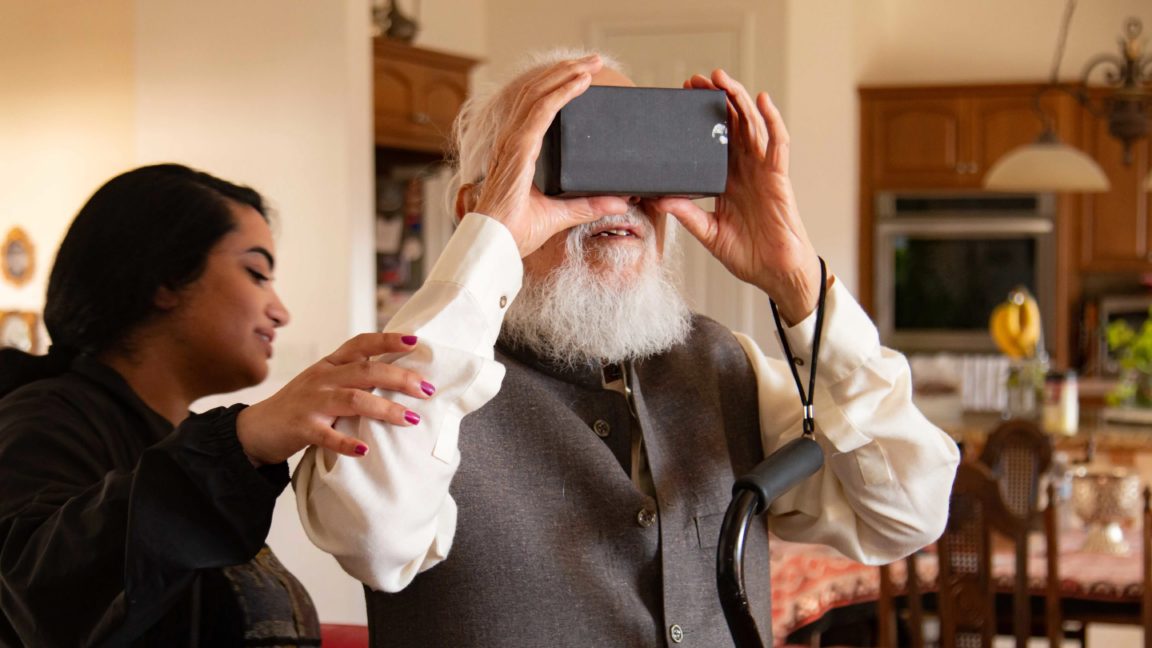
Sometimes nostalgia can spawn the most extraordinary bursts of creativity. Like Oxford University, a startup Project Dastaan is making use of virtual reality devices to help Partition survivors see their ancestral homes, just like they remembered it.
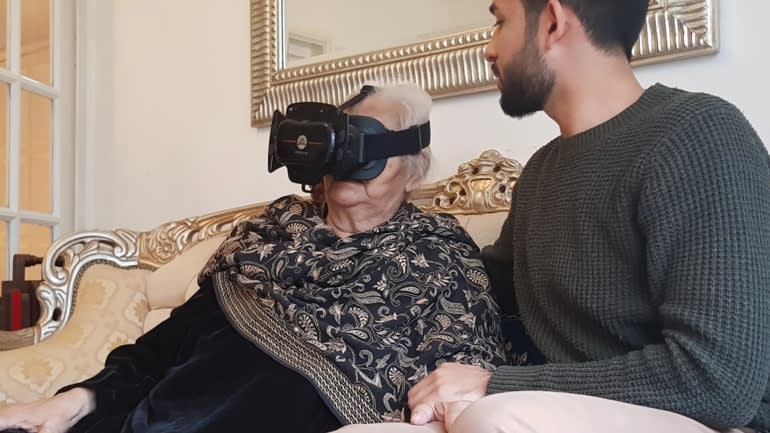
This initiative is using detailed VR environments to help 75 participants relive their childhood. They can now see their ancestral homes once again prior to the events of 1947.
The process involves the use of bespoke 360-degree digital experiences specific to each participant.
ALSO READ
Rishi Kapoor Asks Pakistan to Turn His Ancestral Home into a Museum
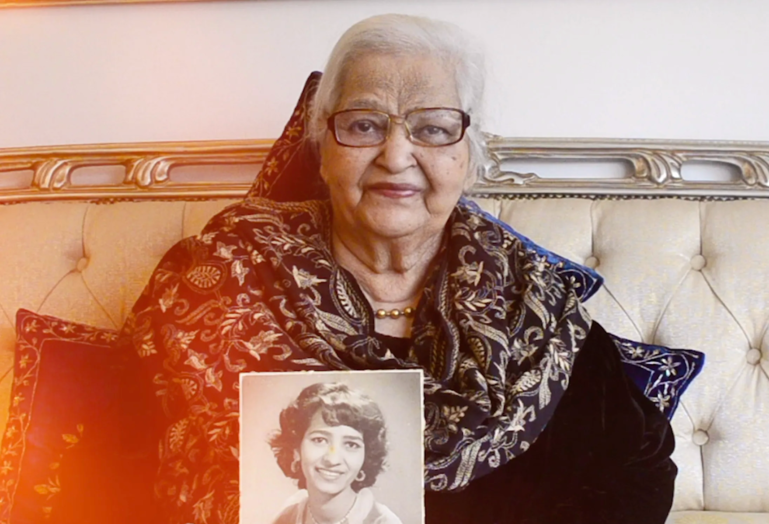
Project Dastaan, is a ‘VR peace-building initiative‘. Hence the project’s name ‘Dastaan’ which means ‘story’ in Urdu.
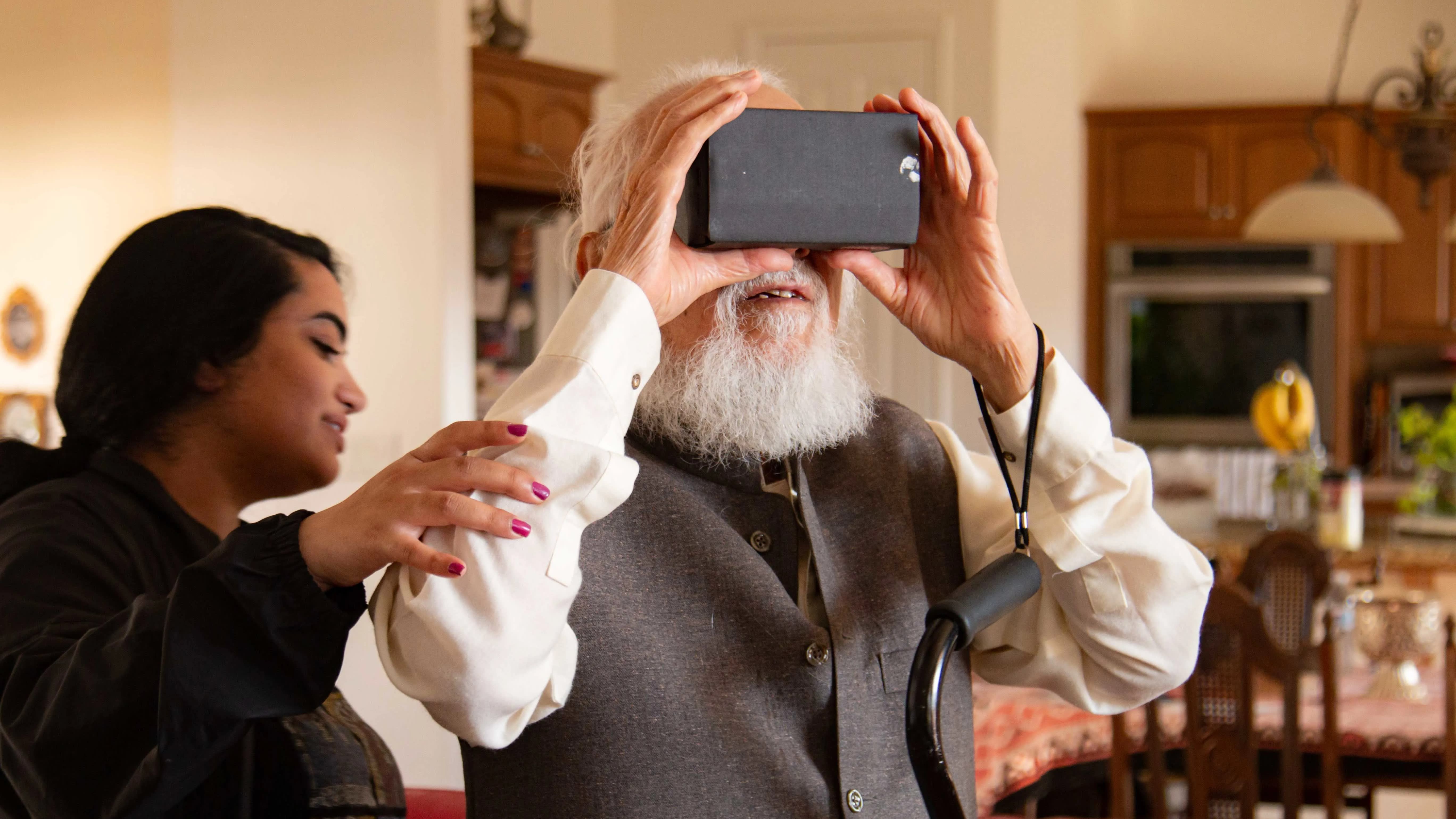
While some are swept by nostalgia, others are happy about the Indo-Pak partition. This project aims to present a whole spectrum of sentiments about the Partition.
How Project Dastaan Came to Be
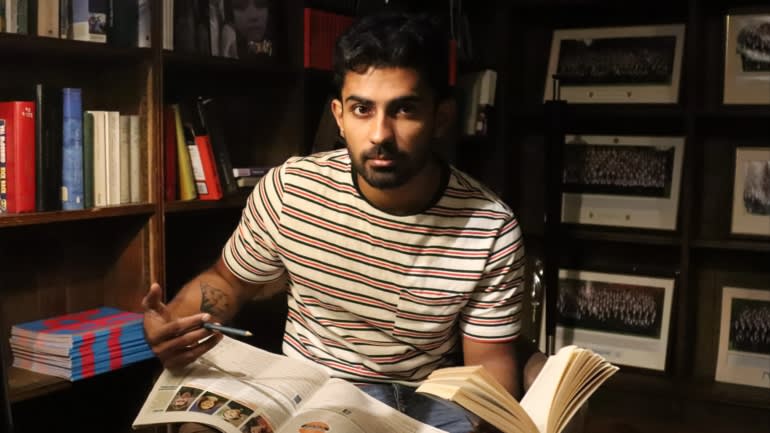
It all started with the co-founders Sparsh Ahuja and Ameena Malak. They both sat down to swap partition stories. Even though the founders didn’t have their own stories, they ended up reminiscing about their grandparents’ experiences before Partition.
These weren’t just fond childhood memories but stories of trauma that involved living in refugee camps to escaping ethnic violence post-Partition.
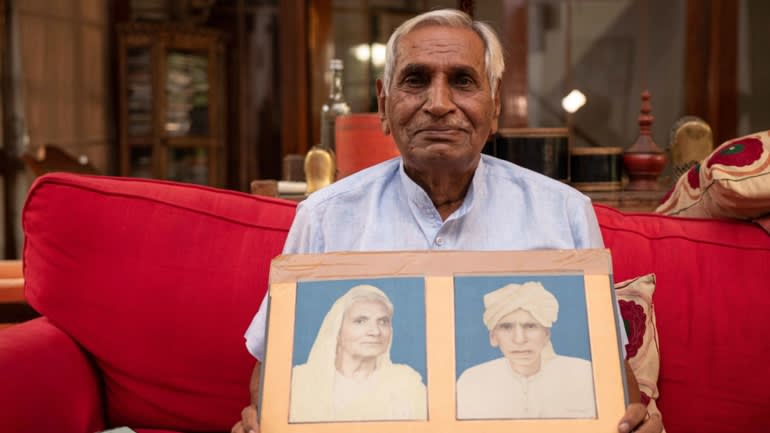
Besides the director Sparsh, all the other team members have similar stories of grandparents uprooting their lives to move and yearning to see their childhood homes.
Nobel Peace Prize laureate Malala Yousafzai and influential figures in the VR world such as Gabo Arora, a former creative director of the United Nations, support the project.
ALSO READ
Woman Who Abused Traffic Warden in Viral Video, Goes Viral (Again)
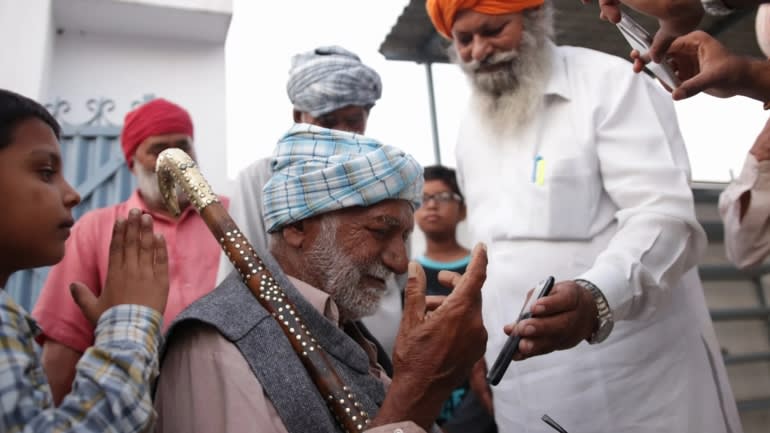
The project has also earned 30 thousand US dollars in funding from the ‘CatchLight Fellowship‘. CatchLight is a San Francisco-based nongovernmental organization.
The Dastaan team was even invited to speak at the British Parliament. Meanwhile, the team is also working on collecting the stories of Partition survivors in a documentary ‘Child of Empire‘.
via Asian Review