




Social media personality Rajab Butt, known for his TikTok videos, has been sentenced for illegally keeping an African lion cub as a pet.
A Lahore court handed down the verdict after the Punjab Wildlife Department filed a complaint against him following a video that showed him receiving the cub as a wedding gift.
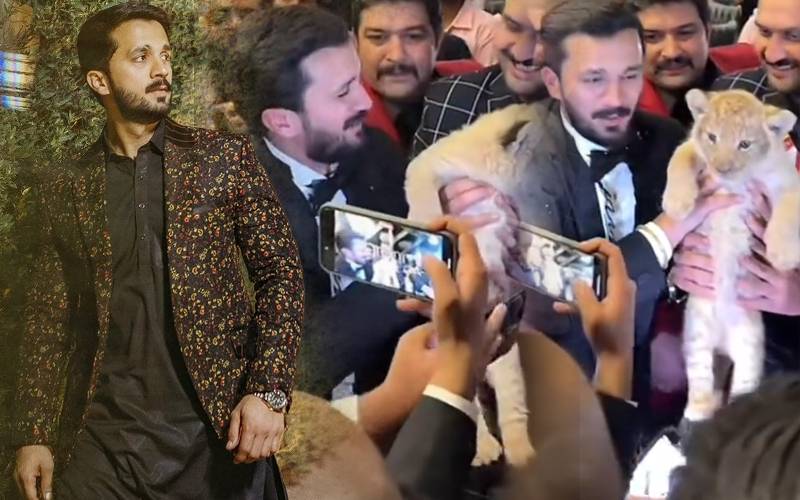
The court’s decision requires Butt to perform one year of community service under the supervision of a probation officer.
His community service will involve creating monthly vlogs focused on animal rights and protection, which must be approved by the probation officer before being uploaded.
Additionally, the Punjab Wildlife Department has been directed to provide Butt with educational materials on animal protection to aid his efforts.
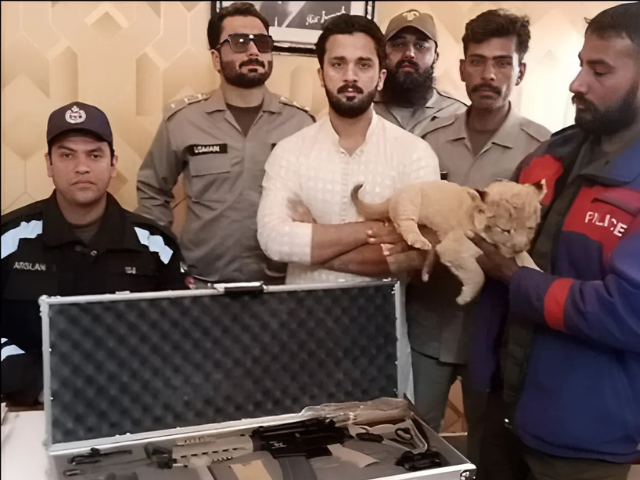
Butt publicly admitted his mistake, expressing regret over his actions. “I was unaware that wild animals cannot be received as gifts,” he said. “I now realize that keeping a lion cub in such circumstances was wrong. As a social media influencer, I should set a better example. I deeply regret my actions and will use my platform to spread awareness about animal rights.”
The lion cub initially seized from Butt during a raid by the Punjab Wildlife Department and police, will now permanently reside at Lahore Safari Zoo.
The cub, named “Bhatti” by the zoo administration, was transferred to the zoo after the court granted temporary custody to the wildlife department.
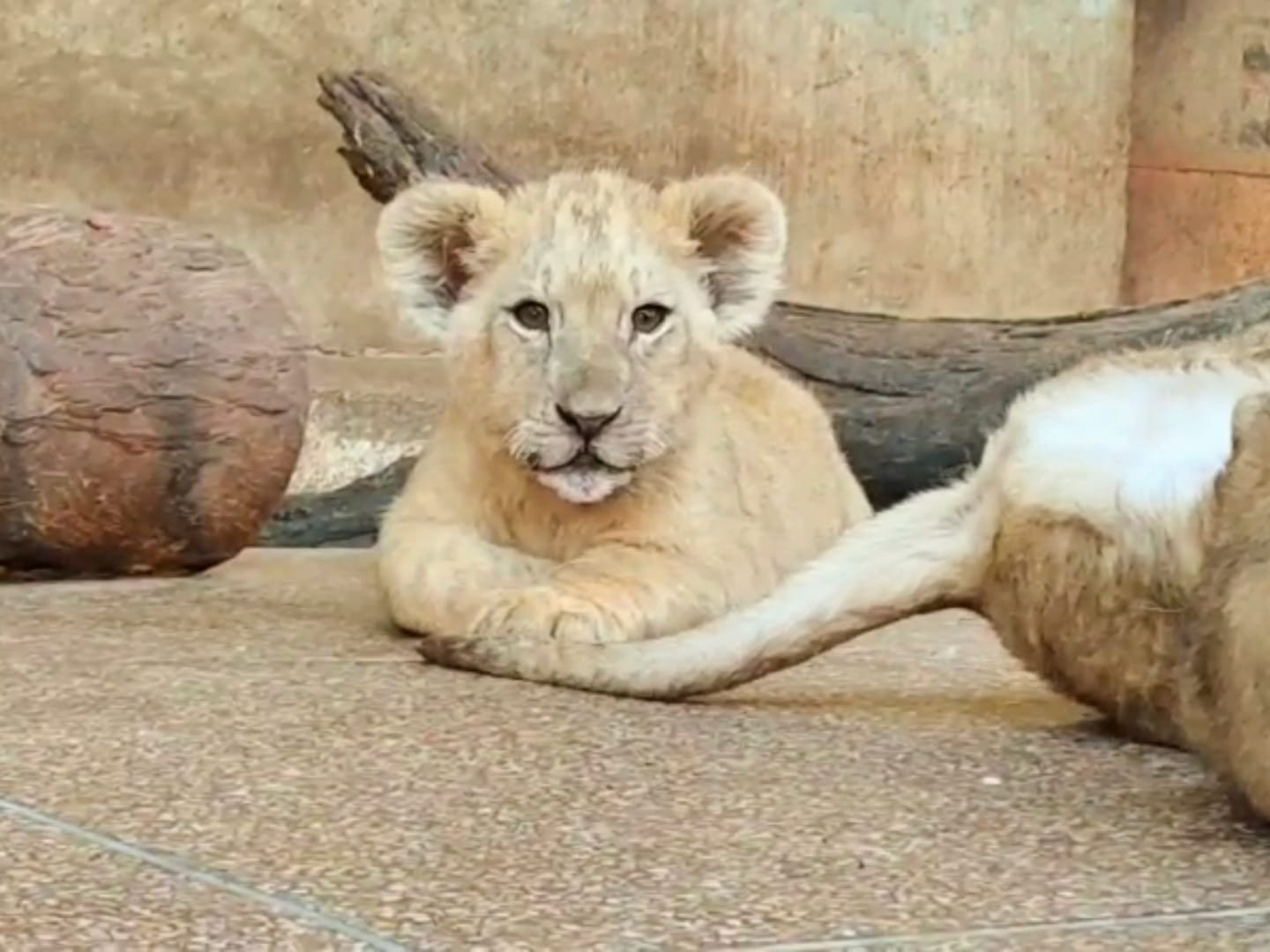
Tariq Janjua, director of the Lahore Safari Zoo, confirmed that the cub had been bottle-fed since its arrival and would soon transition to a diet of meat and minced food. A team of veterinary experts is closely monitoring its health and development.
Janjua also highlighted the zoo’s experience in raising lion cubs, stating that 15 cubs had been successfully hand-fed at the facility.
He stressed the dangers of keeping lions or other wild animals as pets, emphasizing that such actions not only pose risks to human safety but also constitute cruelty to the animals.
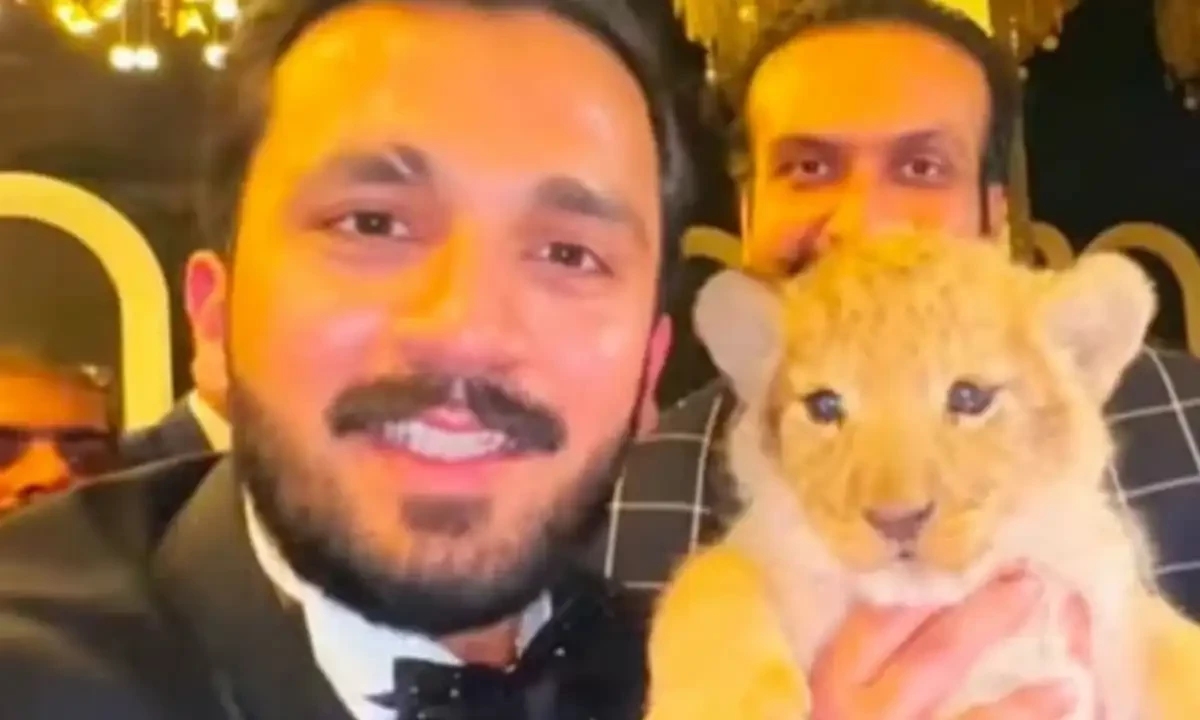
The case has sparked discussions about the ethical and legal implications of keeping wild animals in domestic settings. Janjua urged the public to refrain from removing wild animals from their natural habitats, warning that such actions are abusive and punishable by law.
“Lions are wild creatures and cannot be domesticated. Keeping them in a home environment is not only dangerous but also a violation of their rights,” he said.