




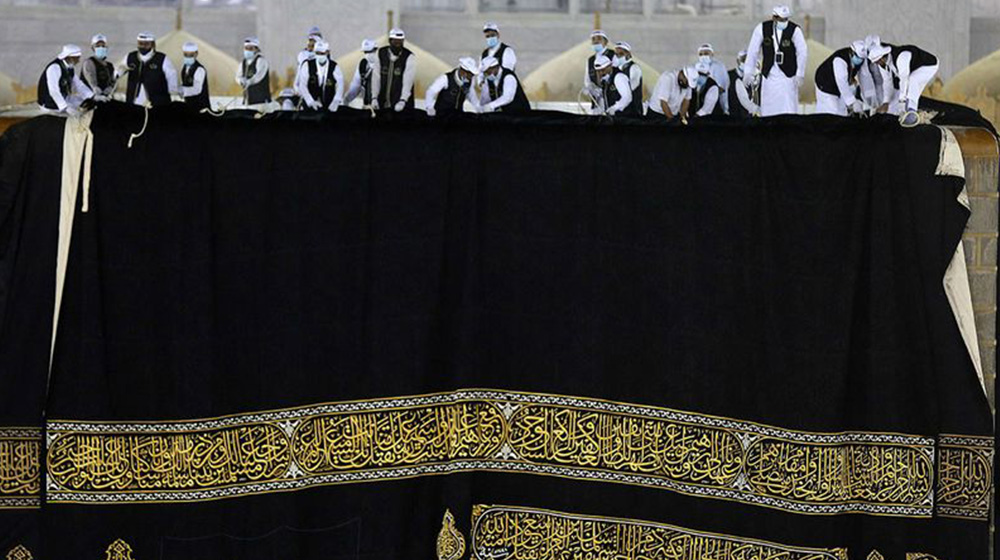
The Holy Kaaba in Makkah is not a mere structure of stone and mortar, it is a symbol of the Islamic faith, a manifestation of the believers’ unwavering devotion to Allah.
At the heart of the Masjid-al-Haram, the Kaaba stands tall, draped in the Kiswa, an ornately embroidered piece of cloth that symbolizes the purity and grandeur of Islam.
Recently, in accordance with Islamic traditions, the Kiswa changing ceremony took place in Masjid-al-Haram, and Muslims from all over the world witnessed this magnificent event
Take a look,
The Kiswa refers to the piece of cloth that is used to cover the holy structure of the Kaaba. Every year, on the ninth day of the month of Du al-Hijjah, the old Kiswa is replaced with a new one. This ceremony is considered to be of great significance in Islam, as it is a testament to the faith and dedication of millions of Muslims who come to visit the holy site every year.
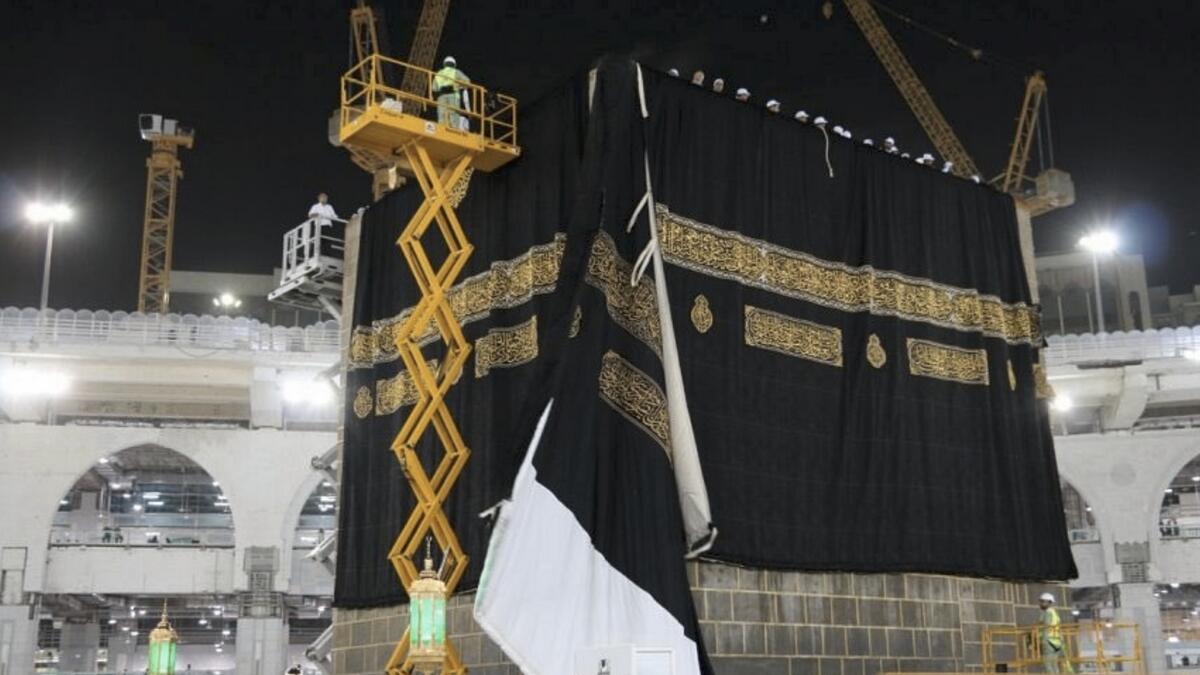
The ceremony is attended by millions of Muslims from around the world, who come to witness the historic event.
The Muslims present during the ceremony don’t have words to describe the feeling that overtakes them as they watch the old Kiswa being taken off and the new one being draped over the Kaaba. It is a moment of awe and reverence, a time when one can feel the presence of the Almighty more than ever.
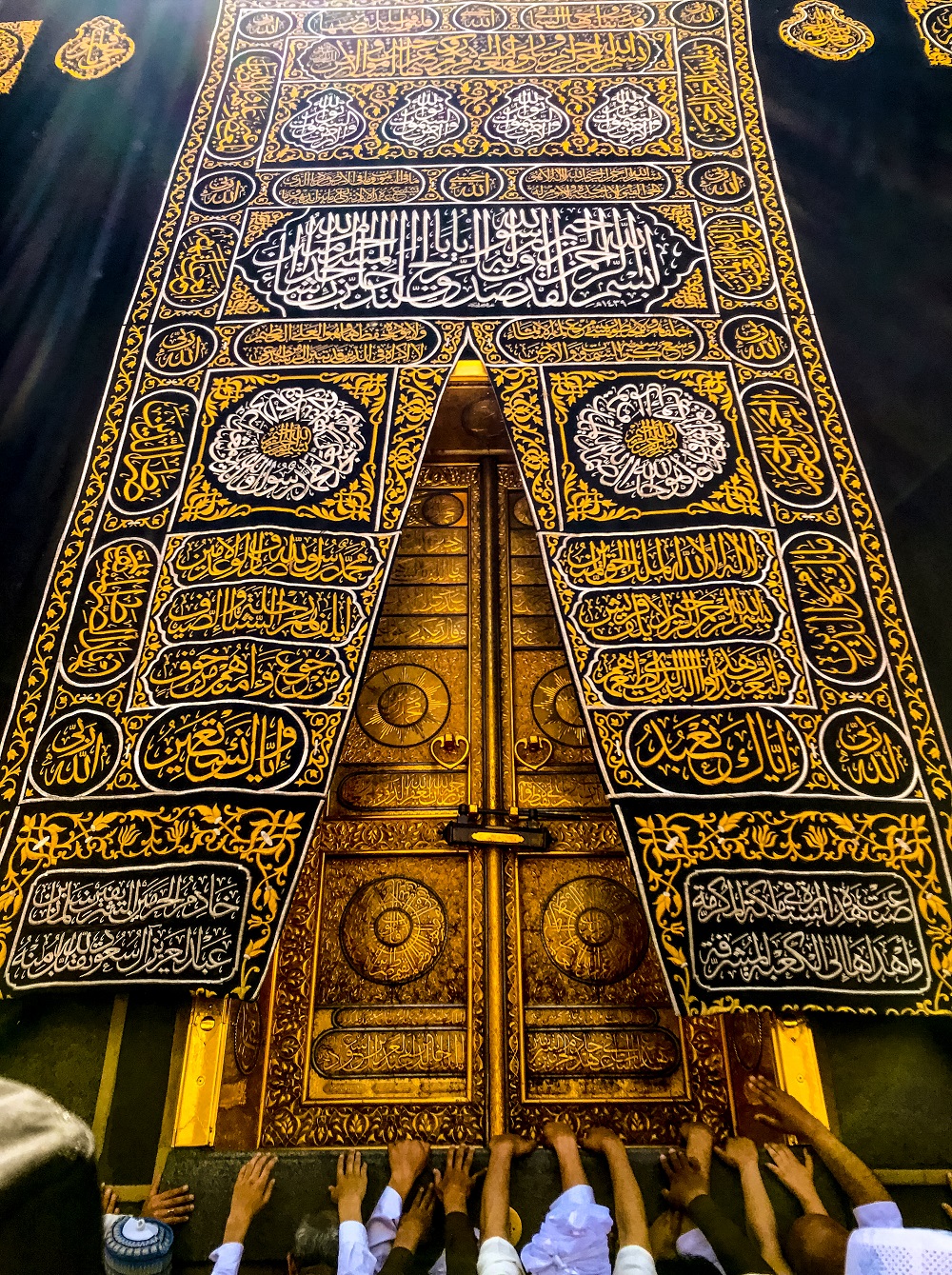
The Kiswa changing ceremony is a symbol of the unity of the Muslim ummah, as people from all over the world come together to witness the event.
It is a reminder that Islam is a religion of peace and unity, and that the Kaaba is a symbol of that unity. The Kiswa itself is a work of art, with intricate designs and embroidery that are a testament to the skill of the craftsmen who create it.
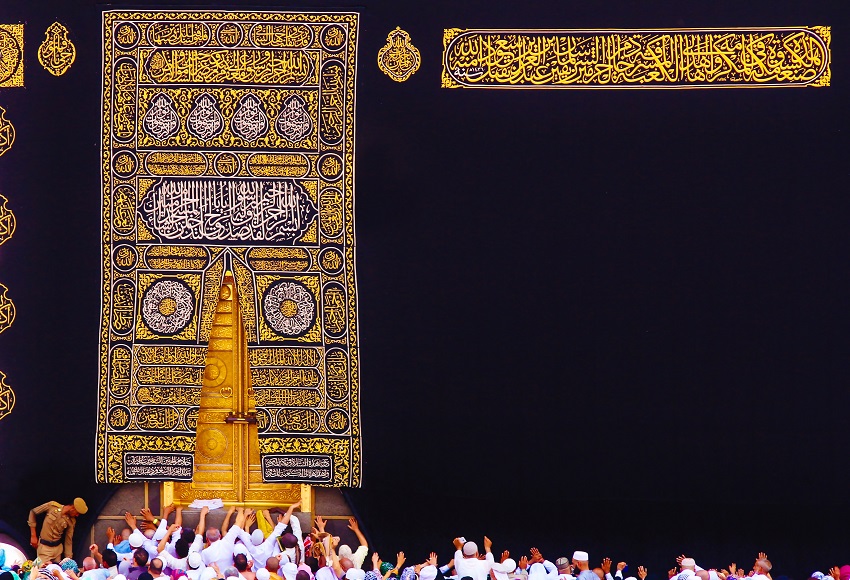
The Kiswa changing ceremony is an important event in the Islamic calendar and a symbol of the faith and dedication of millions of Muslims around the world.
It is a moment of awe and reverence that brings people together from all walks of life and reminds us of the unity of the Muslim ummah. May Allah bless us all and accept our prayers and Hajj.