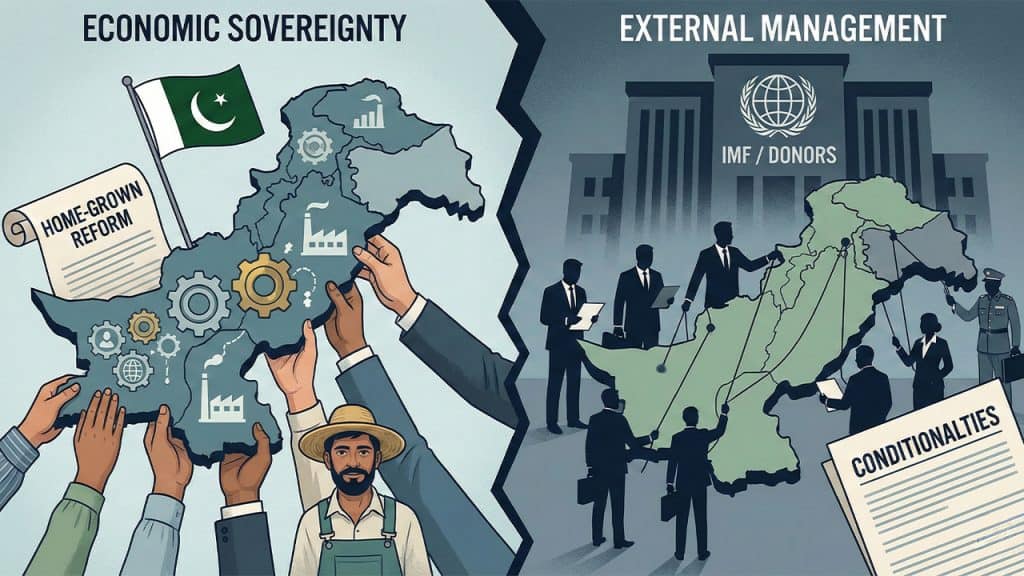
The launch of the Prime Minister’s Economic Governance Reforms was presented as a decisive moment, a signal that the government intends to break from ad hoc crisis management and move towards a more coherent, accountable, and growth-oriented economic framework.
The stated emphasis on governance, coordination, and long-term reform reflects an acknowledgement that Pakistan’s economic problems are not merely fiscal, but structural and institutional. However, while the direction articulated at the launch sounded promising, it also brought to the surface deeper concerns about who is shaping this reform agenda and whether it genuinely reflects national priorities.
The concern, however, at the heart of Pakistan’s long-standing economic dilemma: who truly controls economic policymaking, and in whose interest? There is a growing perception that Pakistan’s Finance Ministry bureaucracy has become excessively influenced by international donors, particularly the IMF, at the cost of domestic ownership, consultation, and strategic autonomy.
Economic reform, by its very nature, should be rooted in broad-based participation. It must involve industry, exporters, small businesses, labour representatives, and provincial stakeholders who live with the consequences of policy decisions. Yet the current reform trajectory appears to have been crafted largely within bureaucratic corridors, with little meaningful engagement of economic stakeholders. This top-down approach not only weakens legitimacy but also risks repeating the mistakes of past IMF-driven adjustment cycles that stabilised numbers temporarily while hollowing out productive capacity.
What makes this situation more troubling is the growing belief that even the so-called “home-grown” reform agenda is neither fully home-grown nor strategically independent. While the Prime Minister himself recognises the damaging constraints imposed by repeated IMF programmes, the administrative ecosystem surrounding him appears deeply aligned with donor thinking. There is a widespread view that the same officials who speak the language of reform remain mentally shackled to IMF conditionalities, unable—or unwilling—to imagine alternatives beyond external prescriptions.
Reports that elements of the reform framework have been influenced by foreign development agencies such as the UK’s FCDO have only reinforced these concerns. When reform narratives are imported rather than debated domestically, they risk reflecting donor priorities over national imperatives. This creates the impression of a subtle shift from economic cooperation to a form of policy dependency that resembles neo-colonial governance rather than sovereign decision-making.
Importantly, these concerns have also found resonance at the highest levels of the state. Pakistan’s current Chief of Army Staff has, in various internal discussions, reportedly emphasised the need for the country to chart a path out of perpetual IMF programmes. The underlying message being attributed to this thinking is strategic rather than political: that long-term economic sovereignty is inseparable from national security, and that repeated bailouts weaken the state’s ability to plan, invest, and assert autonomy.
This is why calls to break free from the IMF are gaining urgency. A genuinely home-grown programme does not mean rejecting global engagement, but setting national priorities first, negotiating from strength, and building domestic consensus. Without this shift, the danger is that reform becomes a slogan masking continued dependency—an economic path shaped more by external comfort than national confidence.
Pakistan’s challenge today is not just reforming the economy, but reclaiming ownership of the reform itself.
Disclaimer: The views and opinions expressed in this article are those of the author and do not necessarily reflect the official policy or position of ProPakistani. The content is provided for informational purposes only and is not intended as professional advice. ProPakistani does not endorse any products, services, or opinions mentioned in the article.
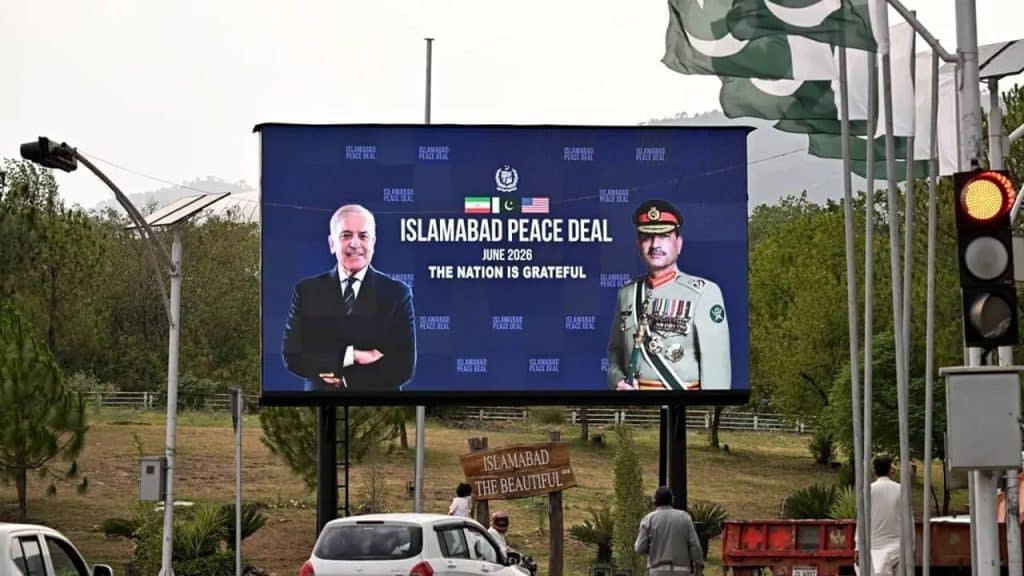
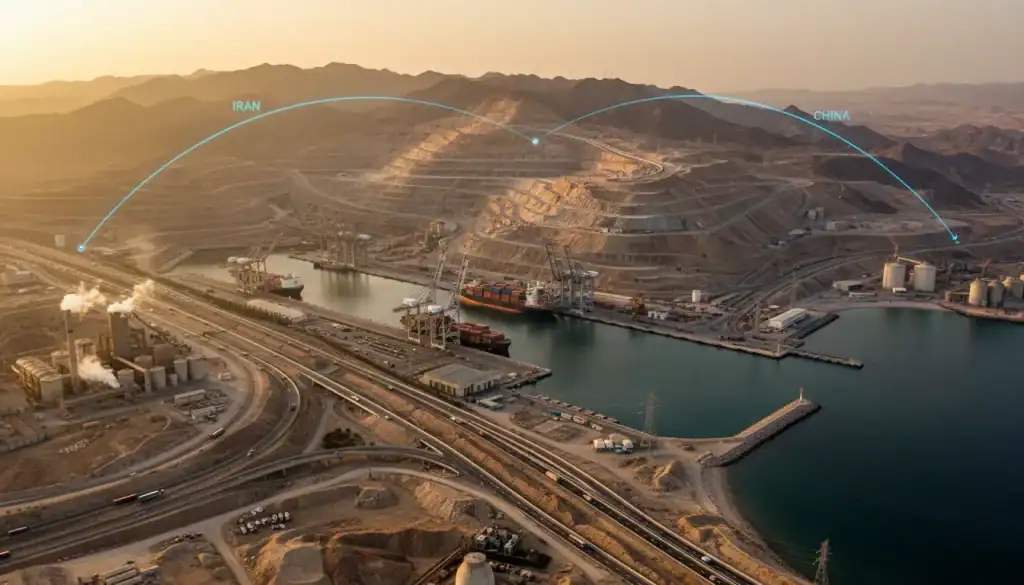


This article raises a crucial question about Pakistan’s economic direction and the cost of relying on external financial institutions. While reforms are necessary, true stability can only come from locally designed policies that reflect national priorities, social realities, and long-term economic sovereignty rather than short-term conditional relief.
Exactly! External loans are temporary fixes. Real economic sovereignty comes when we take control and make reforms that work for Pakistan, not outsiders.