
Afghanistan
Fixtures


-
RASHID KHAN (C)
All-rounder -
MOHAMMAD NABI
All-rounder -
RAHMANULLAH GURBAZ
Wicket-keeper -
MOHAMMAD ISHAQ
Wicket-keeper -
GULBADIN NAIB
All-rounder -
AZMATULLAH OMARZAI
All-rounder -
IBRAHIM ZADRAN
Batter -
NOOR AHMAD
Bowler -
MUJEEB-UR-RAHMAN
Bowler -
NAVEEN-UL-HAQ
Bowler -
FAZALHAQ FAROOQI
Bowler -
SEDIQULLAH ATAL
Batter -
ABDULLAH AHMADZAI
Bowler -
SHAHIDULLAH KAMAL
All-rounder -
DARWISH RASOOLI
Batter -
AM GHAZANFAR [RESERVE]
Bowler -
IJAZ AHMADZAI [RESERVE]
All-rounder -
ZIA UR RAHMAN SHARIFI [RESERVE]
Bowler
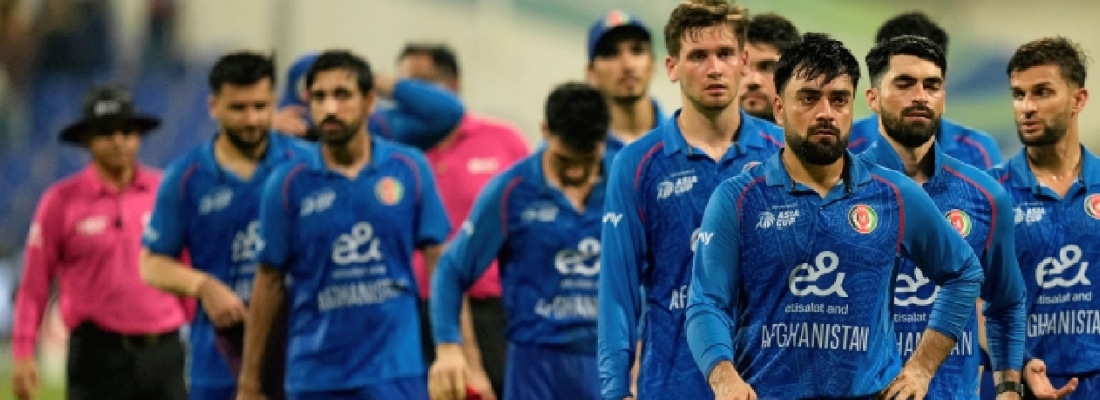
Afghanistan Team for T20 World Cup 2026
Afghanistan heads into the T20 World Cup 2026 with real momentum. The team has already shown it can beat top sides on the biggest stage. Now, it gets another major test in familiar Asian conditions. As a result, expectations are higher than ever.
The tournament runs from February 7 to March 8 across India and Sri Lanka. Afghanistan starts its campaign early and plays key group matches in major Indian venues. Therefore, the first week can shape the team’s entire run.
Afghanistan at T20 World Cup 2026: Quick Overview
Afghanistan brings a balanced mix of experience and emerging talent. It also relies on elite spin options and smart matchups. Meanwhile, its power hitters and all rounders can change games quickly.
Detail Afghanistan Update
| Group | Group D |
| Captain | Rashid Khan |
| Vice Captain | Ibrahim Zadran |
| Head Coach | Jonathan Trott |
| Batting Coach | Toby Radford |
| Pre tournament build up Three match T20I series vs West Indies in Dubai | |
Afghanistan lands in Group D, which includes two traditional heavyweights. However, it also faces teams that Afghanistan can outplay with disciplined bowling and smarter batting plans.
This group setup creates a clear target. Afghanistan must win the matches it should win. Then, it needs at least one statement result against a top opponent. If it executes those steps, a Super Eights place becomes realistic.
Afghanistan Squad for T20 World Cup 2026
Afghanistan named a strong Afghanistan squad with depth in spin, pace options for the middle overs, and multiple batting styles. In addition, the squad includes proven tournament performers who understand pressure games.
Afghanistan Fixtures and Schedule in the Group Stage
Afghanistan’s group stage fixtures include two matches in Chennai plus key games in Ahmedabad and Delhi. Therefore, pitch variety will matter. Also, smart squad rotation can help across the stretch.
February 8 – Afghanistan vs New Zealand – Chennai
February 11 – Afghanistan vs South Africa – Ahmedabad
February 16 – Afghanistan vs United Arab Emirates – Delhi
February 19 – Afghanistan vs Canada – Chennai
Key Players to Watch for Afghanistan in T20 World Cup 2026
Afghanistan’s hopes often start with Rashid Khan. He controls the middle overs and sets the tone with wicket taking threats. At the same time, the batting unit needs stability at the top. Therefore, openers like Rahmanullah Gurbaz and Ibrahim Zadran become crucial.
Afghanistan also benefits from all round flexibility. Players such as Mohammad Nabi, Azmatullah Omarzai, and Gulbadin Naib can cover multiple roles. As a result, Afghanistan can adapt quickly to match situations.
Afghanistan’s Strengths in Asian Conditions
Afghanistan’s spin attack is its biggest weapon. It can squeeze runs, force mistakes, and control the pace of the innings. Moreover, the team has improved its death bowling options. That adds a new layer of competitiveness.
Batting remains the main swing factor. If Afghanistan rotates strike early, then accelerates through the final overs, it can post defendable totals. Likewise, if it chases with calm intent, it can pressure opponents into errors.
What Afghanistan Needs to Reach the Super Eights
Afghanistan’s path is straightforward. First, it must secure wins in the games where it starts as favorite. Next, it must stay competitive against elite sides and seize turning points. Finally, it must protect its net run rate because group tables often tighten quickly.
When Afghanistan executes these basics, it becomes one of the most dangerous teams outside the traditional favorites.
Frequently Asked Questions



ProPakistani is the premier and most trustworthy resource for all happenings in technology, telecom, business, sports, auto, education, real estate and entertainment news in Pakistan.
Whether it's the top trending news, inside scoops or features, interviews, market trends and analysis, product reviews, How to's or tutorials – we cover it all.
© 2026 ProPakistani.PK - All rights reserved







