Textile engineers at UET Lahore’s Faisalabad Campus have managed to create valuable textile products using Okra (lady finger) waste. The team of researchers was led by Prof Dr. Mohsin, Chairman of the Textile Engineering Department.
Pakistan is the third-largest producer of Okra in the world with an annual production of over 180 million kilograms. The vegetable is cultivated over 45,000 acres of land all across the country. However, plant waste is always burnt which leads to excessive pollution and health problems in the country.
Okra fiber is difficult to turn into yarn, fabric, or other dyed forms. However, researchers have discovered a way to make the most of it. The engineers developed an innovative and chemical-free process to overcome this hurdle.
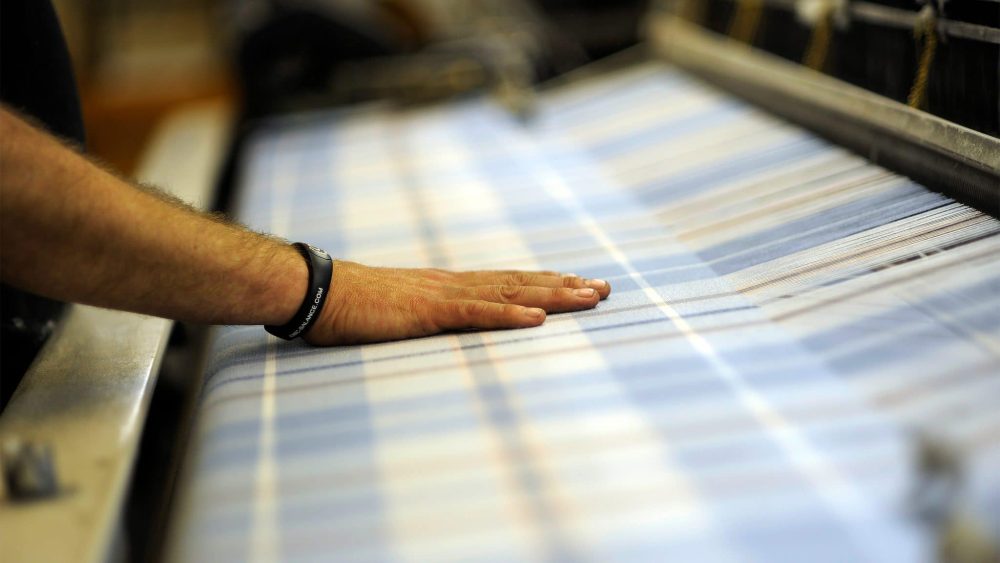
The team blended okra fiber with cotton and yarn was produced at the mini-spinning lab. This state-of-the-art lab is the first of its kind in Pakistan and it’s already being put to good use.
The fabric was dyed using a natural dye produced through another Intellectual Property (IP) based technology at the UET Textile Department, making the whole process bio-based and organic. This discovery is not only cost-effective, but it will also make our country clean, green, and pollution-free.
Professor Mohsin commented on this development saying:
Okra fiber is cheaper than cotton. The raw material is easily available rather wasted, its strength is better and top brands are asking for such sustainable products and are willing to pay a premium price. This technology is not only sustainable but it can make the Pakistani textile industry more competitive with the attraction of more top brands.
Stay Connected with ProPakistani
Get the latest education news, admissions updates, and scholarship alerts wherever you prefer.
Add ProPakistani to Preferred Sources and see more of our stories in Google Search and Top Stories.