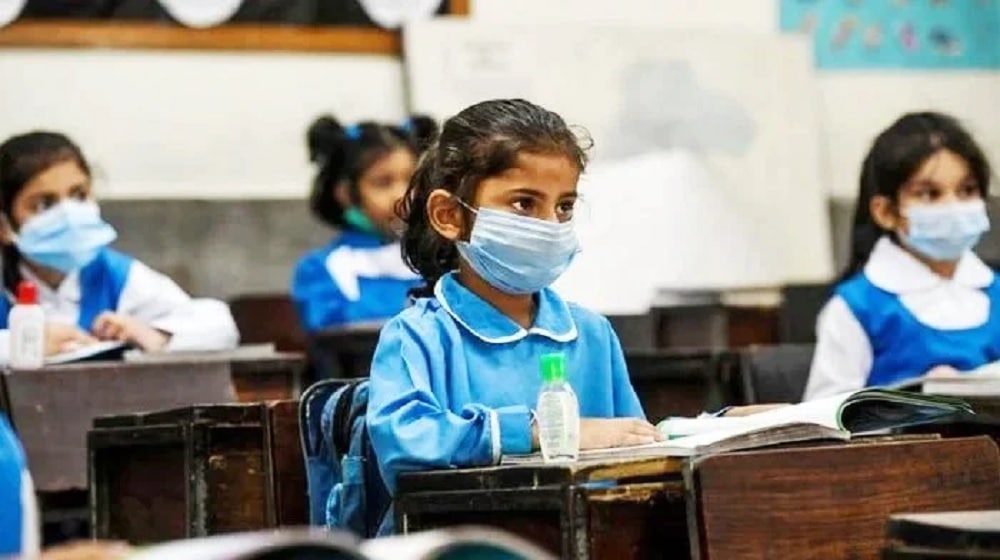
On International Literacy Day, Pakistan faces a sobering reality. Despite the global celebration of literacy, the nation grapples with a literacy rate that falls short of international standards.
Education Secretary Waseem Ajmal Chaudhry revealed that Pakistan’s actual literacy rate currently stands at 59.3 percent, contrasting with the 62.8 percent figure reported in the Economic Survey 2022-23.
Mr. Chaudhry explained that the rate in the Economic Survey was an estimate, lacking the latest census data. Subsequent to the national census, the actual literacy rate was determined to be 59.3 percent, suggesting that the country’s literacy rate did not decline but rather showed some improvement.
Mr. Chaudhry further noted that all provinces witnessed an increase in literacy rates, with Punjab rising from 66.1 percent to 66.3 percent, Sindh from 61.1 percent to 61.8 percent, Khyber Pakhtunkhwa (KP) from 52.4 percent to 55.1 percent, and Balochistan from 53.9 percent to 54.5 percent. This cumulative increase now pegs the nation’s actual literacy rate at 59.13 percent.
Nevertheless, the education sector in Pakistan continues to receive minimal funding, a primary contributor to the stagnation in literacy rates. A federal government schoolteacher lamented that a 60 percent literacy rate remains unsatisfactory, leaving 40 percent of the population illiterate.
Pakistan allocates less than 2 percent of its GDP to education. The Economic Survey for 2022-23 revealed that the total education expenditure by federal and provincial governments in fiscal year 2022 amounted to just 1.7 percent of the GDP. The report also highlighted that 32 percent of children were out of school, with more girls than boys deprived of education. Balochistan had the highest percentage of out-of-school children at 47 percent, followed by Sindh with 44 percent, KP with 32 percent, and Punjab with 24 percent.
Pakistan currently has the highest number of out-of-school children globally, with over 23 million children missing out on education. Furthermore, concerns persist regarding the quality of education, with surveys indicating that a significant number of fifth graders struggle to read sentences in both English and Urdu.
In higher education, the quality has also fallen short of expectations. Numerous Ph.D. holders have staged protests in Islamabad in recent years, demanding job opportunities in government universities.
As the nation observes International Literacy Day, voices within Pakistan’s education sector call for a recalibration of priorities, emphasizing the urgent need for increased funding and support to ensure the nation’s future prosperity through education.
Stay Connected with ProPakistani
Get the latest education news, admissions updates, and scholarship alerts wherever you prefer.
Add ProPakistani to Preferred Sources and see more of our stories in Google Search and Top Stories.
















Naturally, when your priorities are different, this is bound to happen. Education and Health are the two sectors most ignored by successive governments. The common man is left at the mercy of private education institutions and hospitals who fleece the public like anything – far beyond their capacity. There is none to listen to the woes of the people. It is highly unlikely that any positive change can take place in this country as long as the people keep quiet and continue to suffer.